Full Article (1200+ words)
Galaxy S Redesign Revealed: 5 Big Changes Coming
The Galaxy S redesign is once again at the center of attention as new leaks suggest Samsung could finally overhaul its flagship smartphone lineup. After years of incremental updates, industry insiders now claim the company is exploring a bold new direction—but there’s a major caveat that could delay or even cancel these plans.
According to a recent report, Samsung is considering significant changes to the design of its Galaxy S series, potentially starting with future models beyond the current generation.
This development comes at a time when competition in the premium smartphone market is intensifying, with rivals pushing aggressive innovation in both hardware and aesthetics.
A Long-Awaited Galaxy S Redesign
For years, Samsung’s Galaxy S lineup has followed a relatively consistent design language. While refinements have been made—such as slimmer bezels, improved materials, and camera upgrades—the overall look has remained familiar.
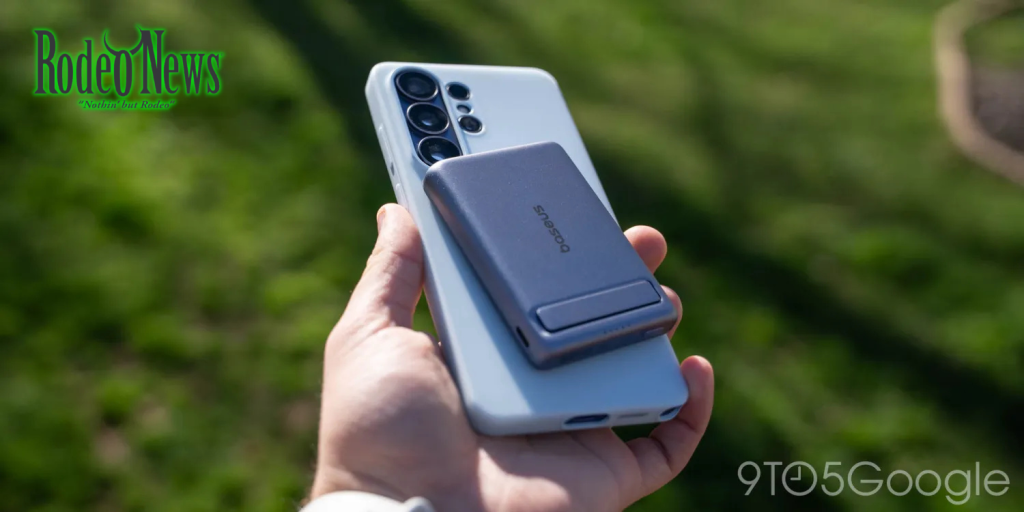
The current Samsung Galaxy S26 Ultra, for example, continues the sleek slab design with vertically aligned cameras and minimal visual deviation from its predecessors.
However, leaks suggest that Samsung is now rethinking this strategy.
The rumored Galaxy S redesign could include:
- A new camera layout
- Changes to the device’s overall shape
- Updated materials or finishes
- A refreshed visual identity for the Galaxy brand
These changes could mark the biggest transformation in years for Samsung’s flagship phones.
Why Samsung Might Finally Change Its Design
One of the biggest drivers behind the Galaxy S redesign is growing criticism that Samsung’s flagship phones have become too predictable.
While consistency helps brand recognition, it can also lead to stagnation. Competitors are experimenting with:
- Foldable form factors
- Under-display technologies
- Unique camera placements
- More expressive industrial design
Samsung itself has innovated in other categories, especially with foldables. However, its traditional Galaxy S lineup has remained relatively conservative.
This creates pressure to evolve.
Additionally, internal discussions reportedly highlight that the current vertical camera layout—considered a “core identity”—may also be limiting design flexibility.
The “Big Asterisk” Problem
Despite the excitement around a Galaxy S redesign, there’s a major obstacle that could derail everything: hardware constraints.
The report اشارهes a potential issue tied to memory (RAM) and internal component configurations—something informally described as a looming limitation that could force Samsung to prioritize performance over aesthetics.
In simple terms:
- New design concepts may require different internal layouts
- These layouts could conflict with performance goals
- Samsung may need to choose between innovation and optimization
If these challenges cannot be resolved, the redesign could be delayed or scaled back significantly.
How the Galaxy S Design Has Evolved So Far
To understand the significance of this rumored shift, it’s important to look at how the Galaxy S series has evolved.
Over the past few generations, Samsung has focused on:
- Larger, brighter AMOLED displays
- Incremental camera improvements
- Premium materials like Gorilla Glass and aluminum
- Software enhancements via One UI
The Samsung Galaxy S26 series, launched in early 2026, continued this trend with upgraded internals and refined visuals rather than a radical redesign.
This steady approach has helped Samsung maintain reliability—but at the cost of excitement.
What a New Galaxy S Redesign Could Look Like
While specific details remain unclear, several possibilities are being discussed based on industry trends and Samsung’s past experiments.
1. New Camera System Layout
Samsung may move away from the familiar vertical camera alignment. A redesigned module could:
- Improve symmetry
- Reduce camera bump visibility
- Allow for better internal space management
2. More Distinctive Industrial Design
Future Galaxy S devices could feature:
- Sharper edges or curved contours
- New materials or textures
- A more recognizable silhouette
3. Improved Ergonomics
A redesign could also focus on usability, making devices:
- Easier to hold
- Better balanced
- More comfortable for extended use
4. Integration of New Technologies
Samsung may use the redesign to introduce:
- Advanced cooling systems
- Better battery placement
- Enhanced durability features
Competition Is Forcing Samsung’s Hand
Samsung is not operating in a vacuum.
Other tech companies are also rumored to be working on major design overhauls. Reports suggest upcoming flagship devices across the industry will feature:
- Radical visual changes
- New user interface styles
- More immersive displays
This puts pressure on Samsung to stay competitive—not just in performance, but in design innovation.
Even within its own lineup, Samsung is experimenting. Foldable devices like the Galaxy Z series showcase the company’s willingness to take risks—something fans now want to see reflected in the Galaxy S lineup as well.
Risks of a Major Redesign
While a Galaxy S redesign could generate excitement, it also carries risks.
1. Loss of Brand Identity
Samsung’s current design is instantly recognizable. Changing it too much could dilute that identity.
2. User Resistance
Some users prefer familiarity. A drastic redesign might alienate loyal customers.
3. Technical Challenges
As mentioned earlier, internal hardware constraints could limit what’s possible.
4. Production Complexity
New designs often require new manufacturing processes, which can increase costs and delays.
What This Means for Future Galaxy Phones
If Samsung successfully implements a Galaxy S redesign, it could signal a new era for its flagship devices.
Potential outcomes include:
- A more competitive position against rivals
- Renewed consumer interest
- A shift in industry design trends
However, if the redesign is delayed, Samsung may continue with its current strategy of gradual refinement—at least in the short term.
Timeline: When Could This Happen?
Based on current information, any major Galaxy S redesign is unlikely to appear immediately.
Instead, it may take:
- One to two product cycles
- Extensive testing and prototyping
- Resolution of hardware constraints
This suggests that the earliest realistic window for a major redesign would be in future Galaxy S models beyond 2026.
Final Thoughts
The Galaxy S redesign rumor highlights a critical moment for Samsung.
On one hand, the company has an opportunity to reinvent its flagship lineup and regain a sense of innovation. On the other, technical limitations and strategic risks could hold it back.
For now, the redesign remains uncertain—but the fact that Samsung is even considering such a move signals that change is on the horizon.
As competition intensifies and user expectations evolve, standing still is no longer an option.