Trump Orders Full Blockade on Venezuelan Oil, Intensifying U.S.–Venezuela Standoff
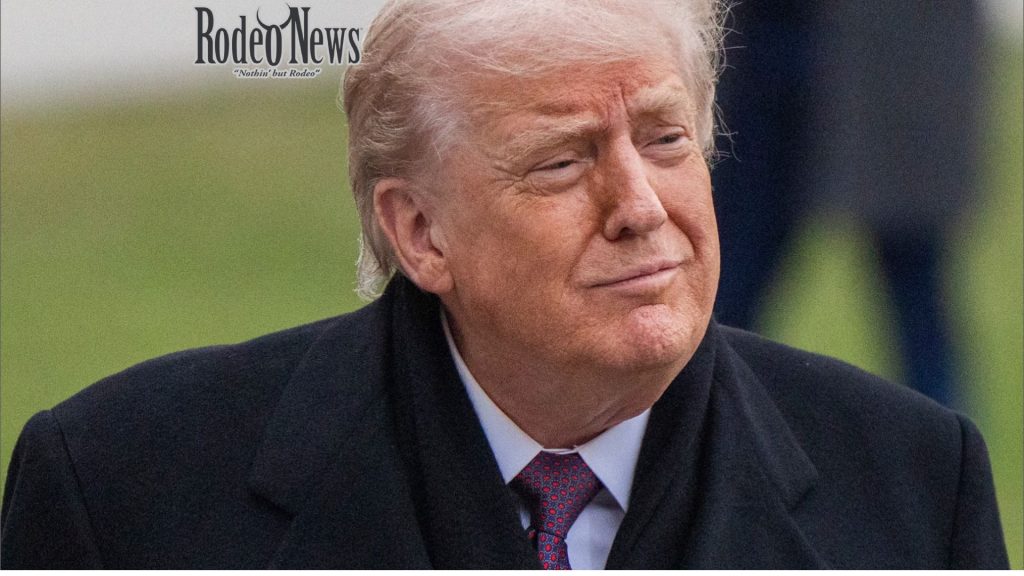
WASHINGTON, D.C. — Former U.S. president Donald Trump on Wednesday escalated tensions with Venezuela by declaring a “total and complete blockade” of all sanctioned oil tankers entering or exiting Venezuelan ports, asserting that Caracas had “illegally took” American oil and vowing to reclaim what he described as U.S. property.
Addressing reporters at the White House, Trump reiterated his hardline stance on Venezuela’s oil industry — the backbone of the country’s economy — and defended the naval deployment supporting the blockade. His administration has recently moved thousands of troops and a fleet of warships, including one of the world’s largest aircraft carriers, into the Caribbean Sea near Venezuelan waters.
“They took all of our energy rights, they took all of our oil … and we want it back. But they took it … illegally,” Trump said.
Venezuela’s government responded swiftly, condemning the blockade as a “warmongering threat” and an effort to seize its sovereign resources. Caracas has formally requested a United Nations Security Council meeting to address what it calls ongoing U.S. aggression.
International Oil Impact and Global Reaction
Oil markets reacted immediately. Brent crude futures climbed after the blockade announcement as traders weighed the potential supply disruption. Venezuela holds the world’s largest identified oil reserves, although output has been constrained for years due to economic and infrastructure challenges.
Analysts note that restricting Venezuelan crude exports — already limited in global markets — could tighten supply and contribute to price volatility. The U.S. seizure of a Venezuelan tanker last week, part of Trump’s broader strategy, has already impacted flows and heightened risk perceptions in oil markets.
Domestic Fallout in Washington
The Venezuela crisis comes amid sharp political battles in Congress. Moderate House Republicans recently joined Democrats to force a vote on legislation aimed at extending Affordable Care Act tax credits, exposing leadership struggles within the GOP.
In parallel, former special counsel Jack Smith appeared before a Republican-run House panel — his first appearance since dropping criminal cases against Trump after the 2024 election. Smith defended his work as grounded in evidence and reasserted the integrity of his investigations, which addressed Trump’s efforts to overturn the 2020 election and alleged mishandling of classified documents.
Other political flashpoints included controversy around Federal Communications Commission actions linked to media figure criticism and debates over federal healthcare funding.
What Comes Next
As the blockade takes effect, diplomatic friction is likely to escalate. Venezuela’s appeal to the UN signals that the dispute may move to a broader international arena. Meanwhile, Washington’s political divisions over foreign policy, healthcare, and institutional oversight underline a moment of profound national strain.
Analysts warn that without diplomatic engagement, the standoff could have lasting repercussions for hemispheric relations, global energy markets, and the U.S. role on the world stage