Trump’s Brighter Economic Spin Versus Voter Reality
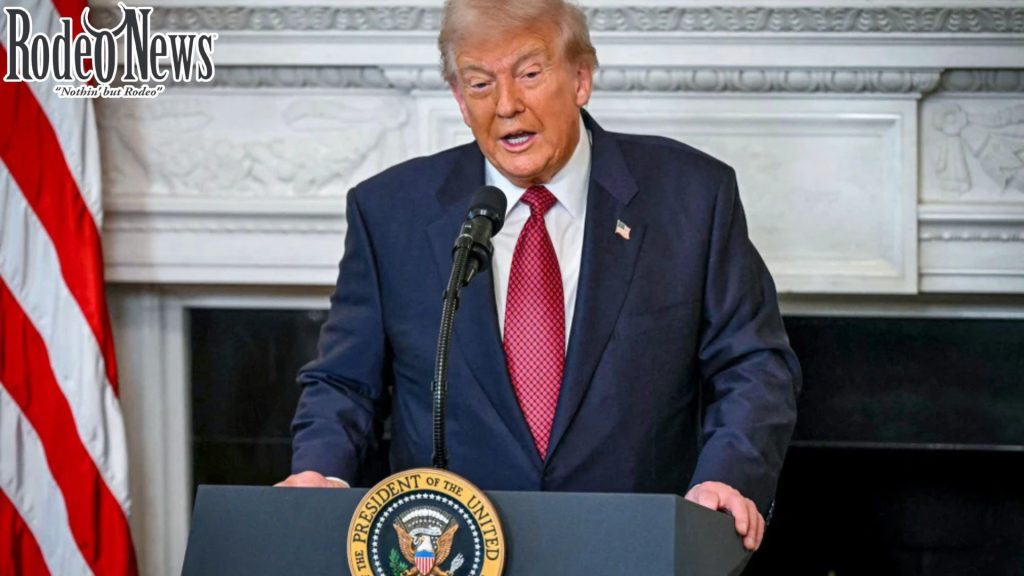
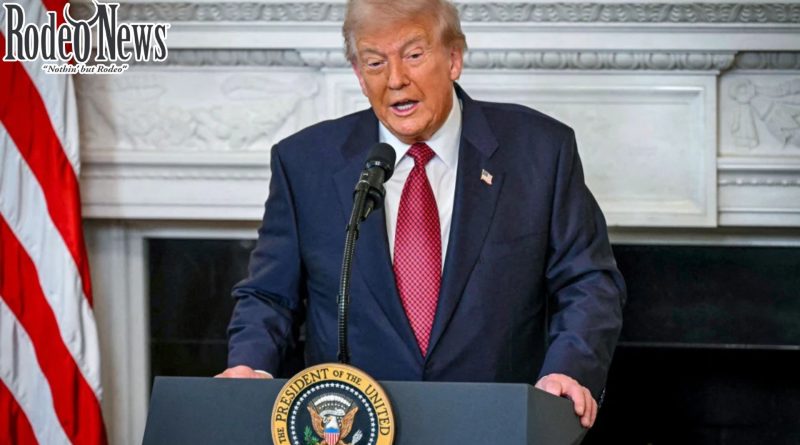
President Donald Trump has repeatedly portrayed the U.S. economy in boldly optimistic terms—calling it “unbelievable,” touting strong numbers and promising more to come. However, mounting polling data and on-the-ground sentiment paint a far different picture. Many voters report feeling squeezed by rising costs and uncertain about the nation’s financial direction. The gap between message and lived experience is widening.
The Discrepancy Between Rhetoric and Experience
On one side, Trump emphasizes macro indicators—stock market highs, low unemployment, and corporate profits—to underpin his claim of a strong economy. Yet, for many Americans, these metrics don’t translate into everyday relief.
For example:
One survey found that just 18% of voters rated the economy as “excellent”
In the same study, 54% disapproved of Trump’s handling of the economy and 55% specifically disapproved of his performance on inflation and cost of Across broader polling, about half of adult Americans describe the economy”
The contrast is notable: Trump’s upbeat tone vs. voter unease.
Key Areas of Voter Concern
Inflation and Cost of Living
Voters consistently cite inflation and day-to-day expenses—groceries, fuel, housing—as top frustrations. While unemployment may be low and corporate earnings high, these gains haven’t fully translated into improved purchasing power for many households.
Economic Direction and Confidence
Despite positive headlines, a significant portion of the public believes the economy is heading in the wrong direction. For instance, in a poll, about two-thirds of voters said the country was on the wrong track.
Such perceptions dampen overall confidence, even in the face of ostensibly healthy macro data.
Trust in Economic Leadership
Historically, Trump positioned himself as the candidate who “gets economy & jobs.” But recent data show that his economic advantage may be eroding:
In an AP-NORC poll, voters were nearly split on whether Trump or Vice President Kamala Harris would better handle the economy.
His own approval in handling the economy dropped into net-negative territory—a rare turn for him.
Why the Gap? Possible Explanations
Macro vs. Micro Reality: Strong GDP growth and low national unemployment don’t necessarily equate to fast wage growth or lower household costs. Many voters feel left behind.
Policy Credibility & Messaging: Repeated assurances from the White House may contrast sharply with the lived experience of everyday Americans. When that happens, the credibility gap widens.
Partisan Filter & Expectations: Partisan identities influence both perception and message reception. Still, even among independents and moderate Republicans, economic optimism has weakened.
Timing and Lag Effects: Some economic policies (e.g., tariffs, regulatory shifts) may have delayed or uneven effects—leading to short-term pain rather than immediate benefit, and voters feel that more acutely.
Implications for Trump and Beyond
For President Trump, the disconnect poses a risk: if voters don’t feel the benefits of the economy, positive macro-indicators may not be enough to secure their support.
More broadly, it underscores a familiar dynamic in U.S. politics: when citizens feel financially insecure, their mood can swing quickly—regardless of headline economic numbers.
Political strategists may need to shift focus: from “how does the economy look?” to “how does the economy feel for ordinary people?”
Conclusion
While Donald Trump continues to frame the U.S. economy as a triumph under his leadership, many voters are telling a different story. Discontent with prices, doubts about future direction and weaker confidence in economic stewardship highlight the widening gap between narrative and reality. The challenge for Trump is not just driving positive data—but closing that perception gap so Americans feel the improvement in their homes and daily lives