First Human Death from Rare H5N5 Bird Flu Strain Reported in the US
A resident of Washington state has died after contracting the rare H5N5 bird flu strain, marking the first known human fatality linked to this variant. This is the second human death from bird flu in the United States this year.
The patient, described as an older adult with underlying health conditions, had been hospitalized since early November. Health officials say the infection was caused by H5N5 avian influenza, a strain previously only found in animals.

Testing by the University of Washington and confirmation by the U.S. Centers for Disease Control and Prevention (CDC) have verified the case. Despite the alarming nature of this death, the CDC reassured the public that the risk of further spread is low. No other individuals connected to the case have tested positive for the virus.
What We Know About the H5N5 Strain
H5N5 is a rare variant of avian influenza. Until now, it has only been detected in animals, making this human case significant. Officials believe the person contracted the virus through exposure to a backyard flock of domestic birds.
The CDC stressed that there is no evidence of human-to-human transmission. The public health risk remains low, and no further cases have been reported.
Bird Flu Outbreaks in the US
This fatality comes just months after a person in Louisiana died from the H5N1 strain of bird flu. So far in 2023, the CDC has recorded more than 70 human cases of bird flu in the United States, mostly linked to contact with infected poultry or wild birds.
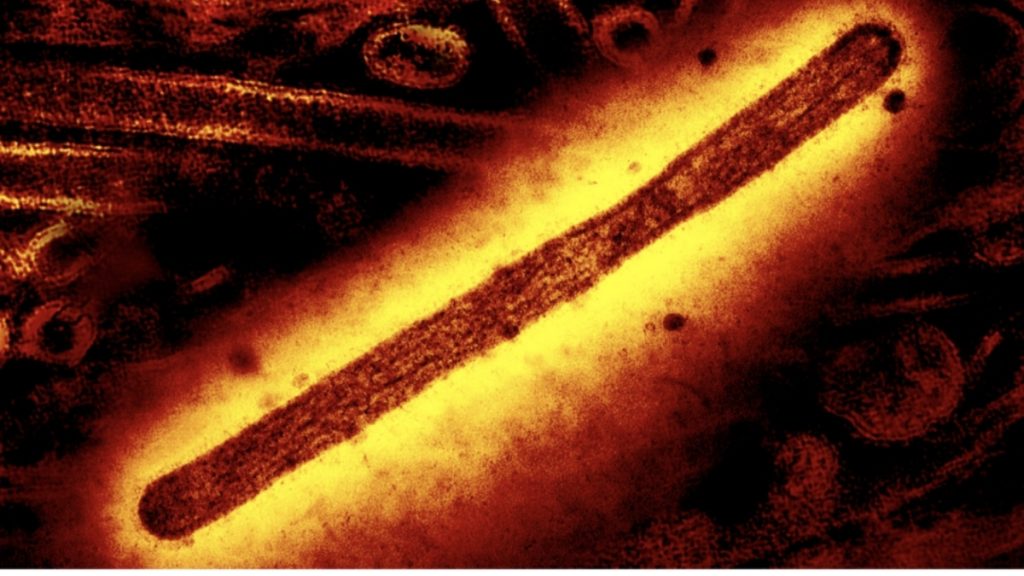
Globally, the World Health Organization (WHO) has reported over 1,000 cases of human avian influenza since 2003, with the majority of those cases involving the H5N1 strain. However, health experts emphasize that human-to-human transmission remains rare.
What Experts Are Saying
Though the general public is not at high risk, health experts are advising those who work with poultry or live near infected birds to take extra precautions. This includes wearing protective gear and avoiding contact with sick or dead birds.
Local authorities in Washington state are urging bird owners to monitor their flocks and report any signs of illness. By taking early action, the spread of the virus can be limited.
Conclusion
The death of a Washington state resident from the H5N5 bird flu is a reminder of the ongoing risks posed by avian influenza. While there is no immediate danger to the broader public, health authorities will continue to monitor the situation closely. Early detection and preventive measures remain key in controlling the spread of such viruses.