Thma Bang District Launches 32 km Rural Road to Boost Ecotourism
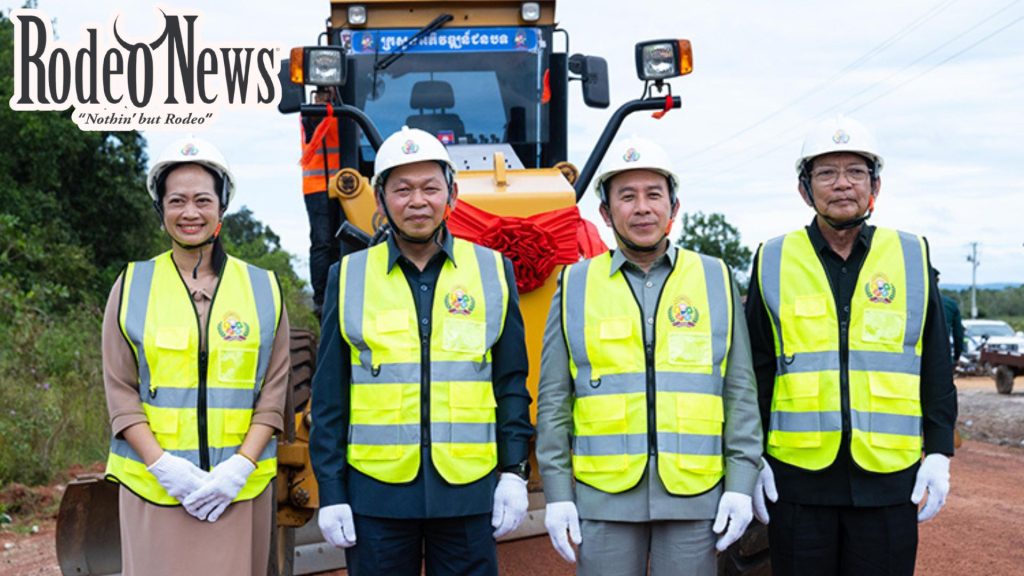
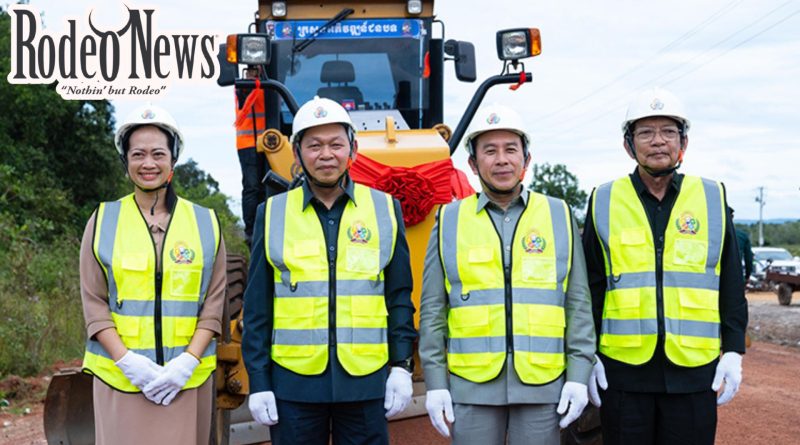
In a strategic move to enhance access to Cambodia’s natural treasures and stimulate local economies, officials have broken ground on a 32-kilometre rural road project in Thma Bang District, Koh Kong Province. The new route is set to serve as a vital artery for nature-based tourism and rural development.
Key Goals and Impact
The initiative aims to link remote villages with key ecotourism sites, opening up the area to both domestic and international visitors. By improving transport options, local leaders expect not just a boost in tourist numbers, but also stronger economic opportunities for communities that have traditionally been isolated.
According to those leading the project, the road will create “economic arteries” — not just by facilitating travel, but by connecting people to jobs and services in a more sustainable way.
Supporting Cambodia’s Eco-Tourism Strategy
This development aligns with broader national efforts to improve rural infrastructure. The Ministry of Rural Development and the Ministry of Tourism have championed such road-building as a way to drive inclusive growth in under-served regions.
Moreover, upgrading rural roads is consistent with Cambodia’s long-term rural development policies. Improved roads reduce travel times, lower transport costs, and can be life-changing for residents who previously had limited mobility.
Local Significance: Thma Bang District
Thma Bang District, located in Koh Kong Province, covers a large area rich in forested landscapes and community-based ecotourism sites. The district includes communes such as Chi-Phat — well-known for its community-run ecotourism initiatives.
For many residents, this road represents more than just concrete and gravel — it’s a pathway to sustainable livelihoods. With better connectivity, communities can more easily welcome tourists, sell local products, and access essential services.
Environmental and Community Considerations
Given its location near sensitive natural areas, the project carries environmental implications. However, building roads in rural Cambodia already involves careful planning rooted in environmental and social safeguards, as seen in past infrastructure efforts.
Local governments and implementing agencies are expected to balance development with conservation — ensuring that the benefits of tourism do not disrupt the delicate ecosystems that make Thma Bang so attractive.
The Road Ahead
Once completed, the 32-kilometre stretch will likely become a cornerstone of Koh Kong’s ecotourism offering, helping integrate the district more tightly into Cambodia’s tourism network. For residents, it promises improved quality of life. For visitors, it opens up a new corridor of wilderness to explore