Share a Cow: 5 Ways WA Families Can Cut Beef Costs
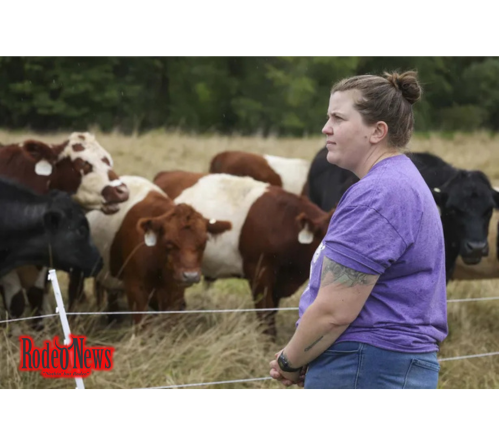
As grocery shoppers continue to face rising beef prices, some Washington farmers have a straightforward suggestion: share a cow.
Buying beef directly from a local farm and splitting the purchase with relatives, friends or neighbors can help families secure a larger supply of meat while potentially lowering the cost per pound compared with buying individual cuts at a grocery store.
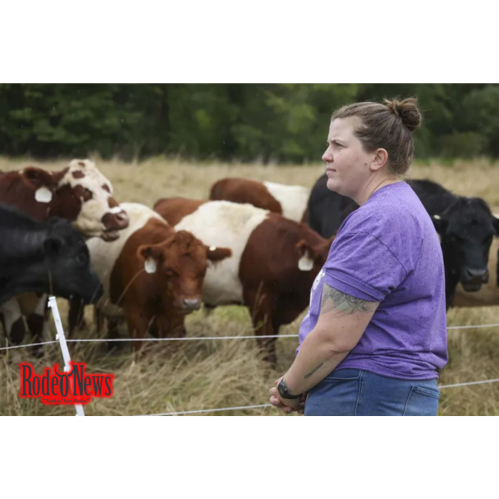
The idea comes as American consumers continue to feel pressure from historically high beef prices. A shrinking national cattle herd and tight supplies have pushed costs higher, creating challenges not only for shoppers but also for meat processors and farmers.
For many families, however, purchasing an entire animal is neither practical nor affordable. That is where the increasingly familiar idea of a beef share comes in.
A group of households can share a cow, dividing the cost and receiving a portion of the processed beef. Depending on the arrangement, buyers may purchase a quarter, half or whole animal directly from a local rancher.
The approach is gaining attention in Washington as consumers look for alternatives to increasingly expensive trips to the meat counter.
Why Beef Prices Are Rising
The growing interest in the decision to share a cow comes at a time of significant pressure across the American beef industry.
The United States has been dealing with historically low cattle numbers, limiting the supply of animals available to produce beef. Drought, high production costs and other economic pressures have made it difficult for ranchers to rebuild their herds quickly.
The shortage has affected the entire supply chain.
Consumers pay more at the grocery store, while processors face higher costs when purchasing cattle.
Tyson Foods recently reduced its financial outlook again as pressure from the cattle shortage and high cattle prices continued to affect its beef business. The situation highlights an important reality: higher retail prices do not automatically mean that every participant in the beef industry is enjoying higher profits.
For households, the result is simple and increasingly painful. Favorite cuts of beef can consume a larger share of the weekly grocery budget.
That is why Washington farmers are encouraging consumers to consider different ways of purchasing their meat.
What Does It Mean to Share a Cow?
The phrase share a cow does not necessarily mean several people jointly own a live animal.
Instead, it usually refers to buying a portion of an animal after arranging a purchase with a local farmer or rancher.
Common options include:
- A quarter cow
- A half cow
- A whole cow
A family purchasing a whole animal might split the cost with another household. Four families could potentially divide a cow into quarters, depending on the farm’s processing and sales arrangements.
The final amount of meat each buyer receives can vary based on the size of the animal and the way it is processed.
Buyers typically receive a mix of cuts, including ground beef, steaks, roasts and other products.
The biggest advantage is that purchasing a larger quantity at one time may offer better value than repeatedly buying individual cuts at retail prices.
However, consumers should compare the total cost carefully, including processing fees, transportation and freezer storage.
1. Share a Cow With Family or Friends
The most obvious way to reduce the financial burden is to share a cow with people you already know.
A whole or half animal can require a substantial upfront payment, making it difficult for one household to manage alone. Splitting the purchase among several families can make the arrangement more accessible.
For example, relatives could purchase a quarter each, or a group of friends could coordinate a larger order.
Before making a purchase, participants should agree on several details:
- How the total cost will be divided
- Which cuts each household will receive
- How much freezer space is available
- Who will arrange transportation
- When the beef will be delivered or collected
Clear communication can help prevent disagreements once the meat has been processed.
Families should also remember that bulk beef purchases often require planning months in advance, particularly when buying directly from small farms.
2. Compare Quarter and Half Beef Shares
Consumers do not necessarily need to purchase an entire animal to benefit from the idea.
Many farms sell beef in quarter, half and whole shares.
Washington has numerous farms and ranches offering bulk beef directly to consumers, including quarter, half and whole shares.
A quarter share can be a more practical choice for a smaller household, while a half animal may make sense for larger families or groups that eat beef regularly.
The right option depends on budget, storage capacity and eating habits.
Before deciding to share a cow, consumers should ask the farm exactly how pricing works.
Some ranchers charge based on the hanging weight of the animal, while processing costs may be handled separately. Others may offer packaged pricing.
Understanding the difference between live weight, hanging weight and packaged meat is important when comparing offers.
3. Make Sure You Have Enough Freezer Space
Buying beef in bulk can save money over time, but it also creates a storage challenge.
A quarter, half or whole animal can require significant freezer capacity.
Consumers considering whether to share a cow should estimate their available storage space before placing an order.
Purchasing an additional freezer may make sense for some households, but that cost should be included when calculating potential savings.
There are also ongoing electricity costs to consider.
For a group of buyers, dividing the animal can reduce the storage burden. Each household only needs space for its own portion.
Planning ahead can also help buyers avoid food waste.
Bulk purchases are most useful when households regularly cook and consume the products they buy.
4. Buy Directly From Washington Farmers
Buying directly from a farm can create a closer connection between consumers and the people producing their food.
For farmers, direct sales may provide another way to reach customers without relying entirely on the traditional grocery supply chain.
Washington agriculture is already facing substantial financial pressures, including rising production and labor costs, water concerns and regulatory challenges.
Direct-to-consumer beef shares can therefore potentially benefit both sides of the transaction.
Consumers gain access to locally raised beef, while farms may develop stronger relationships with repeat customers.
However, buying directly does not automatically guarantee that beef will always be cheaper.
Prices can vary depending on the breed of cattle, feeding practices, processing expenses and the farm’s operating costs.
Consumers should compare the total cost rather than assuming that buying directly is always the lowest-priced option.
5. Plan Meals Around the Entire Beef Share
One of the best ways to maximize value after deciding to share a cow is to use the entire range of cuts included in the purchase.
A bulk beef order usually provides more than premium steaks.
Buyers may receive ground beef, roasts, stew meat, brisket, ribs and other cuts.
Families can plan meals around those products throughout the year.
Ground beef can be used for burgers, tacos, pasta sauces and casseroles. Roasts can become slow-cooked meals, while less familiar cuts can be used in soups and stews.
Using the full variety of products helps households get the greatest possible value from their purchase.
It can also encourage consumers to explore recipes and cooking methods they might not normally use.
The Benefits of Buying Beef in Bulk
The share a cow model offers several potential advantages.
Lower Cost Per Pound
Bulk purchases may provide better overall value than purchasing individual cuts separately. However, the actual savings depend on local prices and processing costs.
A Long-Term Supply of Meat
A freezer stocked with beef can reduce the need to purchase expensive meat every week.
Direct Relationship With Farmers
Consumers can learn more about where their food comes from and how the animals were raised.
Greater Variety
A beef share can provide multiple cuts that families might not otherwise purchase.
Support for Local Agriculture
Direct purchases can help strengthen relationships between consumers and local producers.
Washington farmers and ranchers have faced uncertainty as policymakers attempt to address high beef prices and tight supplies.
Recent federal moves aimed at increasing imported beef have drawn criticism from some domestic cattle producers, who worry that additional imports could pressure the prices paid to American ranchers.
The debate illustrates the complicated challenge of lowering grocery costs while maintaining a healthy domestic cattle industry.
Are Beef Shares Right for Everyone?
Despite the potential benefits, choosing to share a cow is not the right solution for every household.
The upfront cost can still be substantial, even when divided among multiple buyers.
Freezer space is another major consideration.
In addition, families that do not eat beef regularly may find it difficult to use their entire portion before the quality begins to decline.
Consumers should also consider their financial situation before making a large bulk purchase.
A lower average cost per pound does not necessarily mean the purchase is affordable at the moment it is made.
For some households, buying smaller quantities and choosing lower-cost protein options may remain the better choice.
The key is to understand exactly what the purchase includes and whether it fits a family’s budget and eating habits.
Rising Beef Prices May Continue to Pressure Shoppers
The broader outlook for beef prices remains uncertain, but the underlying cattle shortage is unlikely to disappear overnight.
The U.S. cattle herd has fallen to historically low levels, and rebuilding herds takes time. Ranchers must retain animals for breeding rather than sending them into the food supply, which can limit immediate production.
That means consumers may continue looking for creative ways to manage their grocery budgets.
Some may buy less beef. Others may switch to chicken, pork or plant-based proteins.
And for families with enough freezer space and the ability to make a larger upfront investment, the decision to share a cow may offer another option.
How to Get Started
Consumers interested in a beef share can begin by contacting local farms and ranches.
Important questions include:
- What size shares are available?
- How is the price calculated?
- Are processing fees included?
- Approximately how much packaged beef will the buyer receive?
- What cuts are included?
- How much freezer space is recommended?
- When will the beef be ready?
- Can multiple households split the purchase?
Washington consumers can also use directories that list farms offering quarter, half and whole beef shares across the state.
Comparing several options before making a commitment can help buyers find an arrangement that fits their needs.
Share a Cow Could Be One Answer to High Beef Prices
Rising grocery costs have forced many families to reconsider how they buy food, and beef is becoming an increasingly difficult purchase for budget-conscious consumers.
The suggestion to share a cow offers a practical alternative for households willing to plan ahead, invest in freezer storage and coordinate with family members or friends.
It will not solve the larger problem of America’s historically tight cattle supply. Nor will it make sense for every consumer.
Still, bulk purchases can potentially reduce the average cost of beef while connecting consumers more directly with local farms.
As Washington families search for ways to manage rising beef prices, the answer may sometimes be found outside the traditional supermarket aisle.
For some households, the strategy is simple: find a trusted local rancher, gather a few friends or relatives and share a cow.