Pentagon Puts 1,500 Troops on Standby as Minnesota Protests Escalate
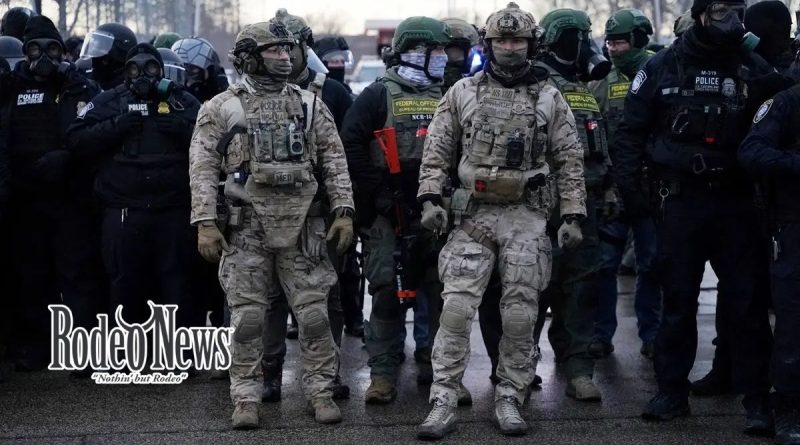
MINNEAPOLIS, Jan 18 — The Pentagon has placed roughly 1,500 active-duty U.S. Army soldiers on standby for a possible deployment to Minnesota, as tensions rise following large-scale protests linked to the federal government’s immigration enforcement campaign, according to U.S. media reports on Sunday.
Defense officials told the Washington Post that the troops have been issued prepare-to-deploy orders should violence escalate further in the state. The officials emphasized that no final decision has been made on whether the soldiers will actually be sent, and the move is described as a contingency measure rather than an immediate mobilization.
The White House, in a statement cited by the newspaper, said it was standard procedure for the Department of Defense to remain prepared for any potential presidential decision. Neither the Pentagon nor the White House immediately responded to requests for comment from Reuters.
Trump Threatens Insurrection Act
The heightened military readiness follows remarks by President Donald Trump earlier this week, when he threatened to invoke the Insurrection Act if Minnesota officials fail to curb protests targeting Immigration and Customs Enforcement (ICE) officers.
“If the corrupt politicians of Minnesota don’t obey the law and stop the professional agitators and insurrectionists from attacking the Patriots of I.C.E., who are only trying to do their job, I will institute the INSURRECTION ACT,” Trump wrote on his Truth Social platform on Thursday.
The Insurrection Act is a rarely used federal law that grants the president authority to deploy U.S. military forces or federalize National Guard units within the country to suppress domestic unrest. It can be invoked when federal authorities determine that state or local governments are unable or unwilling to enforce the law.
Troops Trained for Harsh Conditions
According to the Washington Post and ABC News, the soldiers on standby belong to two infantry battalions under the U.S. Army’s 11th Airborne Division, based in Alaska. The division specializes in cold-weather and Arctic operations, a capability that defense officials say would be relevant for winter conditions in Minnesota.
The reports noted that the units have not received deployment orders and remain stationed in Alaska. However, their designation as “ready forces” underscores the administration’s willingness to escalate federal involvement if unrest worsens.
Protests Intensify After Fatal Shooting
Confrontations between residents and federal officers have intensified in Minneapolis, Minnesota’s largest city, following the fatal shooting of Renee Good on January 7. Good, a U.S. citizen and mother of three, was shot by an ICE agent after allegedly attempting to drive away when ordered to exit her vehicle, according to preliminary accounts.
The incident sparked days of protests, with demonstrators accusing federal authorities of excessive force and racial profiling. Law enforcement officials have said investigations into the shooting are ongoing.
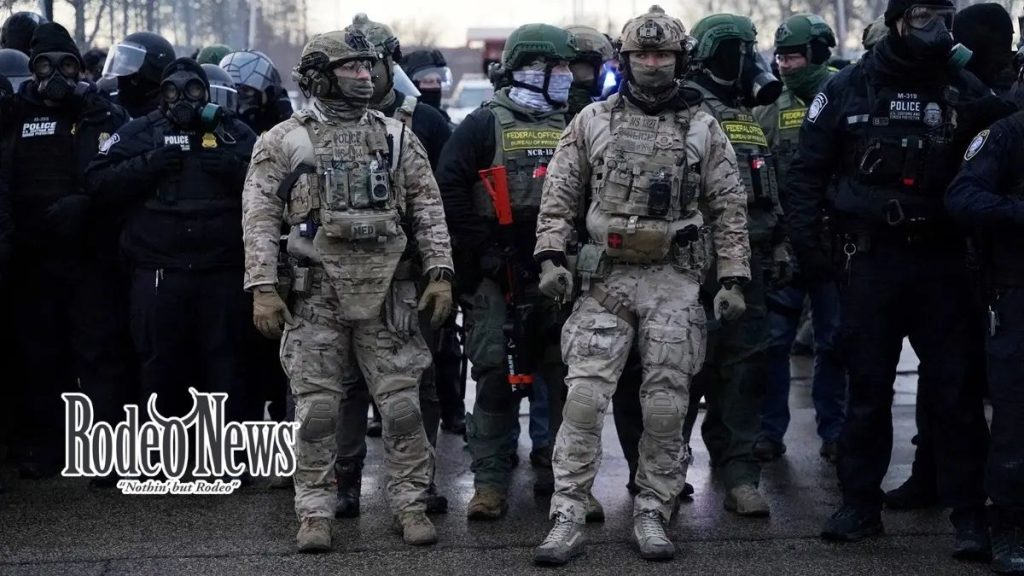
Since early last week, the Trump administration has deployed nearly 3,000 federal agents from ICE and U.S. Border Patrol to Minneapolis and neighboring St. Paul. The surge is part of a broader immigration enforcement push that has largely targeted cities led by Democratic officials.
Federal Overreach Accusations
Local leaders and civil rights groups have accused the president of exaggerating isolated incidents of violence to justify an expanded federal presence. Minnesota officials argue that the administration’s actions amount to federal overreach and risk inflaming tensions rather than restoring calm.
Minnesota Governor Tim Walz has mobilized the state’s National Guard to support local law enforcement and emergency management agencies, the Minnesota Department of Public Safety said in a post on X on Saturday. The move, according to state officials, is intended to stabilize the situation without inviting federal military intervention.
The Justice Department has also opened a criminal investigation involving Walz, adding another layer of political strain to an already volatile situation.
Broader National Pattern
Minnesota is not the only flashpoint. Trump has repeatedly argued that troop deployments in cities such as Los Angeles, Chicago, Washington, D.C., Memphis, and Portland, Oregon, are necessary to protect federal property and personnel amid protests.
However, earlier this month, the administration announced it would withdraw National Guard units from Chicago, Los Angeles, and Portland following legal challenges and court setbacks.
The president has also repeatedly cited a scandal involving the alleged misuse of federal social welfare funds in Minnesota as justification for increased immigration enforcement. Administration officials have frequently singled out the state’s Somali immigrant community in public statements, drawing criticism from advocacy groups.
Uncertain Next Steps
For now, the 1,500 active-duty soldiers remain on standby, highlighting the administration’s readiness to escalate its response if unrest continues. Whether the president will formally invoke the Insurrection Act remains uncertain, but the move has already reignited a national debate over the limits of presidential power and the role of the military in domestic law enforcement.
As protests continue and investigations proceed, Minnesota finds itself at the center of a broader confrontation over immigration policy, federal authority, and civil unrest in the United States.