Fed Minutes Reveal Most Officials Backed Rate Cuts Amid Rising Job Concerns
October 9, 2025
Washington, D.C. — A growing number of Federal Reserve officials supported lowering the central bank’s benchmark interest rate during their September policy meeting, as mounting concerns over a softening labor market began to overshadow inflation fears, according to minutes released Wednesday.
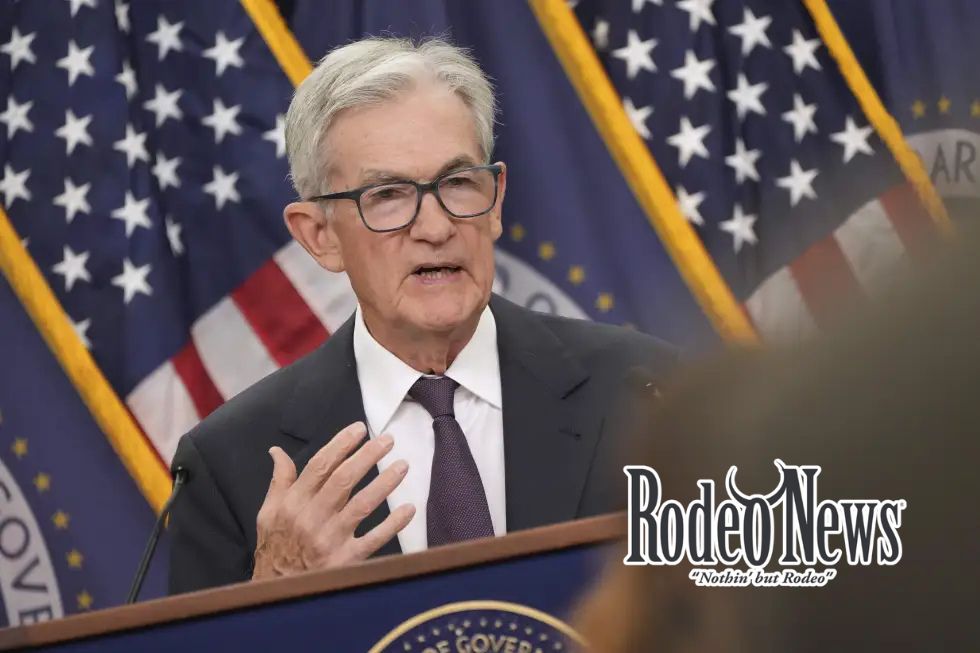
The Federal Open Market Committee (FOMC), the central bank’s rate-setting body, voted at its September 16-17 meeting to cut the federal funds rate by a quarter percentage point to 4.1%. The move marked the first interest rate reduction of the year.
The newly released minutes show that most policymakers believed that the risks to employment had worsened since the committee’s previous gathering in July. In contrast, fears over persistent inflation had “either diminished or not increased,” suggesting a subtle shift in the Fed’s calculus.
“There are no risk-free paths now. It’s not incredibly obvious what to do,” Fed Chair Jerome Powell said at a press conference following the meeting, reflecting the internal divisions within the committee.
Divided Views Inside the Fed
The minutes illustrate a deeply divided FOMC. While a majority favored the rate cut to stimulate economic activity and cushion against rising unemployment, some policymakers voiced hesitation.
A few officials noted that they could have supported leaving rates unchanged, while others suggested that such a cautious approach had merit. The debate highlights the challenge of balancing economic slowdown risks with lingering concerns about above-target inflation.
Interestingly, only one official, Stephen Miran, formally dissented — not because he opposed the cut, but because he believed the Fed should have acted more aggressively. Miran, a Trump-appointed Fed board member confirmed just hours before the meeting began, argued for a half-point cut, reflecting his belief that inflation would continue to ease.
“Rental costs are declining and will bring inflation down,” Miran said Tuesday in public remarks. “And as tariff revenues reduce the budget deficit, that will also ease longer-term interest rates.”
Inflation Still a Sticking Point
Despite the rate cut, many Fed officials remain wary of inflationary pressures. According to the minutes, some members are concerned that easing too quickly could reverse hard-won gains in controlling price increases.
Jeffrey Schmid, president of the Kansas City Fed, expressed skepticism in a speech Monday, warning that “inflation is still too high,” and advocated for keeping rates elevated to suppress demand and prevent inflation from reaccelerating.
Austan Goolsbee, president of the Chicago Fed, echoed a more moderate stance in an interview with The Associated Press last Friday. While open to further rate cuts, Goolsbee urged caution.
“I am a little uneasy with front-loading rate cuts, presuming that those upticks in inflation will just go away,” he said.
Data Drought Amid Government Shutdown
The Fed’s future path remains murky, especially as a federal government shutdown has suspended the release of critical economic data.
The September jobs report, which was due last Friday, was not published, and the inflation report scheduled for next Wednesday also faces delays if the shutdown continues.
Without fresh labor market or inflation data, the Fed’s upcoming decisions may rely more heavily on qualitative analysis and forecasting models, adding complexity to already contentious debates within the committee.
What’s Next for Fed Policy?
Market observers are now watching for signals ahead of the Fed’s next meeting. While some investors hope for further cuts to support growth, especially amid slowing hiring trends, others expect the Fed to proceed with measured caution — especially with inflation still running above its 2% target.
The minutes suggest no clear consensus yet on the pace or depth of additional rate cuts. Instead, they paint a picture of a central bank caught between two forces: an economy at risk of cooling too fast, and inflation that remains stubbornly elevated.
The Fed’s next policy meeting is scheduled for early November, though much could hinge on whether economic data resumes flowing before then.