Hun Sen Calls for Suspension of Cambodia-Thai Border Travel Amid Ongoing Conflict
December 13, 2025
In a bold statement on December 13, former Cambodian Prime Minister Hun Sen urged the Cambodian government to consider suspending all cross-border travel between Cambodia and Thailand, citing escalating security concerns amid continued military strikes by Thailand’s armed forces. This plea comes as the conflict, which entered its seventh day, continues to claim lives and disrupt civilian infrastructure on both sides of the border.
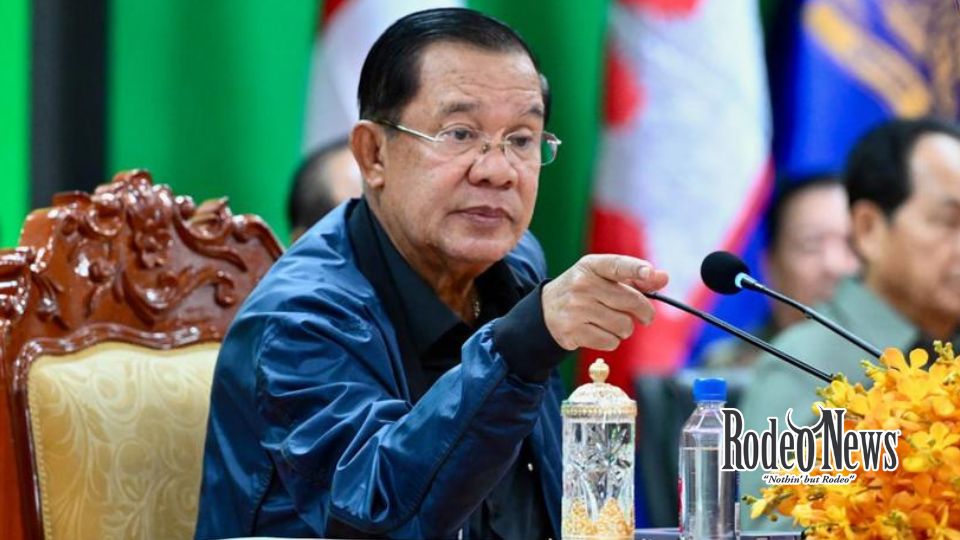
“I would like to suggest to the Prime Minister and the Royal Government to consider suspending all travel between Cambodian and Thai people across the border,” Hun Sen said in a Facebook post on Wednesday. His call is grounded in the ongoing violence, where Thai troops have reportedly struck civilian areas indiscriminately, with heavy artillery and airstrikes.
The former leader’s concerns have been echoed by various Cambodian officials who highlighted the risks posed by the current military escalation. According to Hun Sen, the Thai military has been targeting civilian infrastructure, including schools, temples, and bridges. These actions, the former Prime Minister pointed out, have also harmed innocent civilians on both sides of the border, further complicating the situation for those living and working in the affected regions.
The Situation on the Ground
The Cambodian government has faced increasing pressure from both domestic and international sources to address the escalating violence, particularly after the Thai navy launched an attack in Koh Kong province early on Saturday morning. Reports indicate that Thai naval forces fired upon Cambodian territory, marking a significant escalation in the conflict just hours after news emerged of a potential ceasefire agreement mediated by U.S. President Donald Trump.
Minister of Information Neth Pheaktra confirmed that the violence was not limited to border skirmishes, with Thai forces also reportedly targeting civilian structures. In Veal Veng district, Pursat province, Thai forces are said to have damaged multiple key infrastructures, including a hotel and the strategically important China-built Victory Bridge.
The Ceasefire and Its Implications
Despite the high hopes pinned on the ceasefire agreement brokered by international actors, it seems that the cessation of hostilities has not been fully implemented on the ground. According to reports from both Cambodia and Thailand, military strikes have continued, undermining the fragile truce that was expected to pave the way for peace and security in the region.
Hun Sen’s call to halt all cross-border travel is seen as an effort to protect Cambodian citizens who are either residing in Thailand or attempting to cross the border for work or family purposes. The former leader emphasized that Cambodian citizens currently in Thailand should remain where they are, and Thai nationals residing in Cambodia should also stay put until the ceasefire is fully respected by all parties involved.
“The safety of our citizens must be our top priority,” Hun Sen asserted. “We cannot allow innocent people to become pawns in this ongoing conflict.”
Military Strategy and Civilian Impact
The impact of the military strikes on civilian infrastructure has been devastating. In addition to destroying bridges and schools, there have been reports of the use of cluster bombs, which have resulted in toxic smoke spreading over large areas, including regions where Thai citizens live and work in Cambodia. These reports have sparked outrage from both the Cambodian government and human rights groups, which have condemned the use of such weapons in populated areas.
Hun Sen’s call for a travel suspension aligns with his long-standing position of prioritizing national security and civilian protection. The Royal Cambodian Armed Forces (RCAF) has been on high alert, but there are growing concerns about the potential for further escalation, especially if Thai forces continue their aggressive tactics without adhering to the ceasefire agreement.
Diplomatic Efforts and Regional Reactions
While Hun Sen’s call for a border travel suspension is a significant move, it remains unclear how the Thai government will respond. Diplomatic channels have been open, but so far, Thailand has not publicly committed to a comprehensive ceasefire. International actors, including the United Nations, have expressed concern over the humanitarian crisis unfolding along the border.
In the wake of these developments, the Cambodian government has also called for increased international oversight to ensure that the ceasefire agreement is respected and that the protection of civilians remains a top priority.
As the situation continues to evolve, all eyes will be on both governments to see if the proposed suspension of border travel can help stabilize the situation and protect innocent lives from further harm. The humanitarian impact of this conflict will continue to unfold as long as the fighting persists, leaving many to wonder when, or if, peace can truly be achieved.