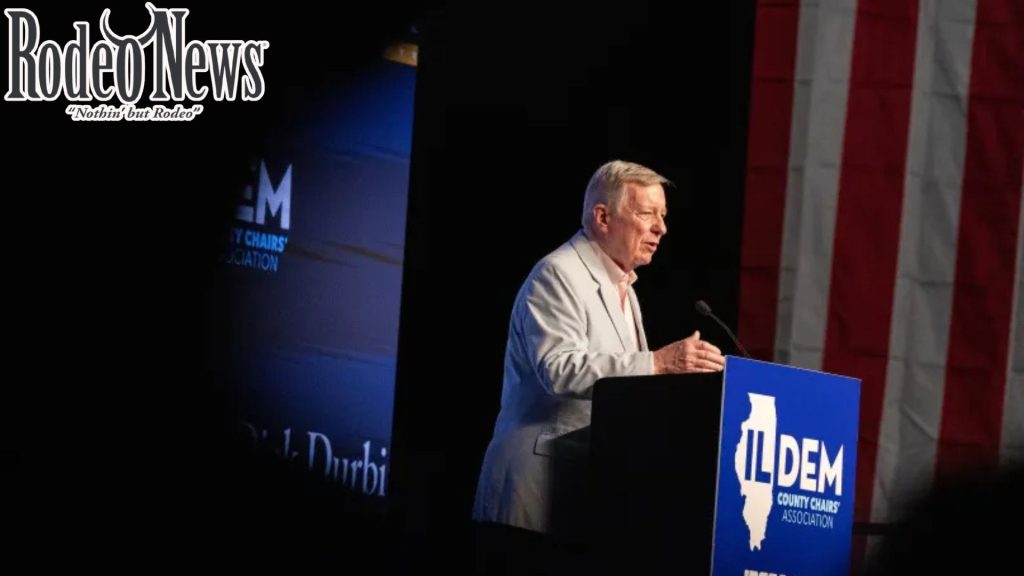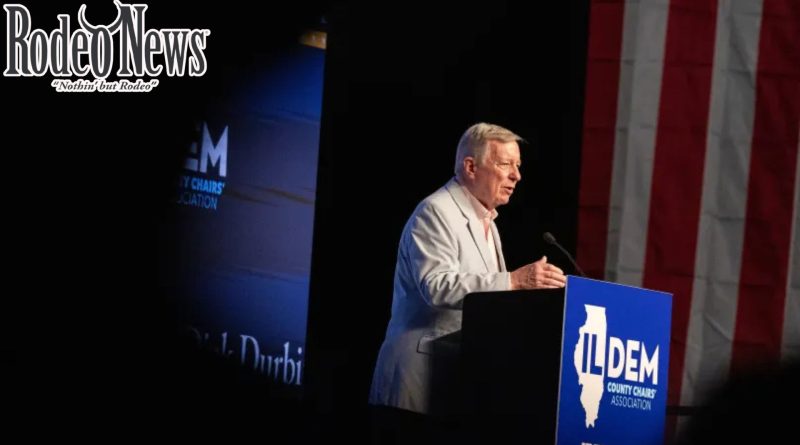
Sen. Dick Durbin Defends GOP-Backed Vote to End Government Shutdown Amid Party Backlash
In a notable moment of intra-party tension, Dick Durbin (D-Ill.), the Senate Democratic Whip and the chamber’s second-ranking Democrat, defended his decision to support a GOP-backed funding measure to end the federal government shutdown. Although the deal was far from perfect, Durbin argued it represented an urgent step to reduce the widespread economic- and workforce-pain inflicted by the prolonged lapse in government funding.
Why he voted yes
Durbin’s rationale for breaking with the majority of his party centers on several key concessions included in the agreement:
- It provided full-year funding for the Supplemental Nutrition Assistance Program (SNAP) through Sept 30, 2026—ensuring continued assistance for vulnerable households.
- The measure reversed mass firings and layoffs of federal employees triggered during the shutdown and pledged back pay to furloughed workers.
- Though the extension of enhanced premiums tax credits under the Affordable Care Act (ACA) wasn’t included in the immediate text, the agreement secured a future vote on that matter—something Durbin cited as a strategic necessity.
- Durbin emphasized that the bill “is not perfect, but it takes important steps to reduce their shutdown’s hurt.”
Party divisions and criticism
Durbin’s vote exposed a clear divide within the Senate Democratic caucus. While eight Democrats joined Republicans and one independent to advance the measure, many others—including Tammy Duckworth (D-Ill.)—voted no. Duckworth said she “simply cannot” vote for what amounted to doing nothing in exchange for a vague promise.
Meanwhile, some Democrats and progressive voices warned that accepting the deal without immediate health-care protections was a strategic misstep. They argued it weakened leverage and risked conceding too much.
What’s next
With the first step taken, the focus shifts to the upcoming vote on extending ACA premium tax credits and full appropriation bills for the rest of the fiscal year. Durbin repeatedly emphasized that a bipartisan path is the only viable way out of recurring funding crises: “The only person who can lead us to that is the President,” he remarked in an interview.
He also cautioned that without swift action, millions of Americans face doubled health care premiums and eroded benefits.
Key takeaway
Durbin’s decision reflects a strategic calculus: opting to accept a less-than-ideal but real compromise now, rather than prolonging the shutdown and its economic fallout. The gamble is political: he risks backlash from his base and caucus while betting on preserving broader relief for Americans. Whether the gamble pays off depends on how successfully the promised follow-up measures—especially health-care protections—are delivered.