Cameroon Opposition Candidate Tchiroma Declares Victory, Urges Biya to Concede
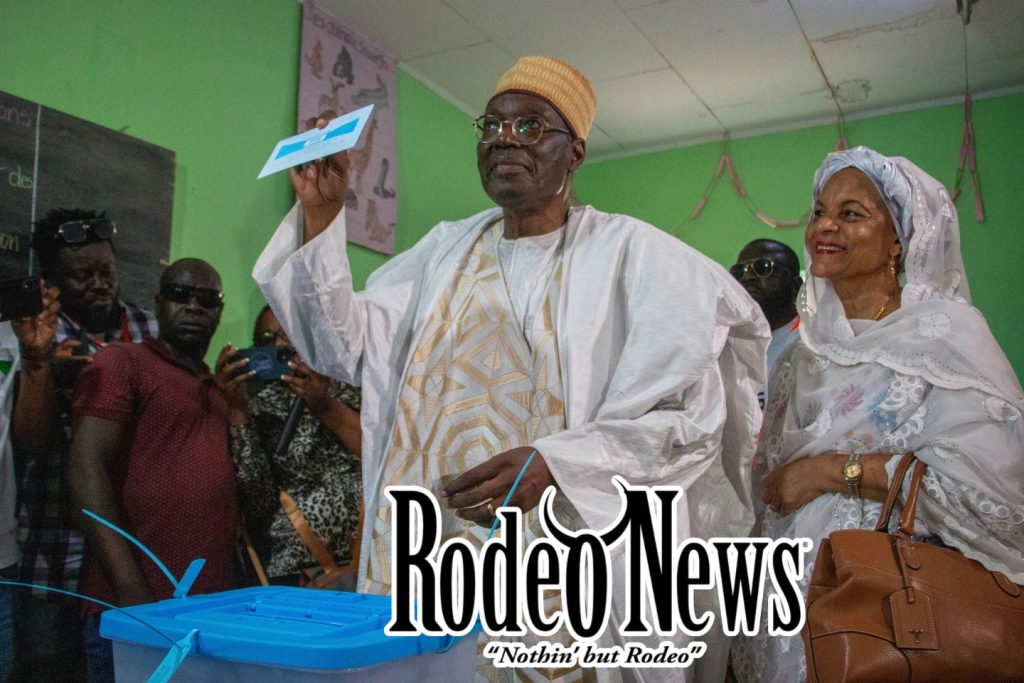
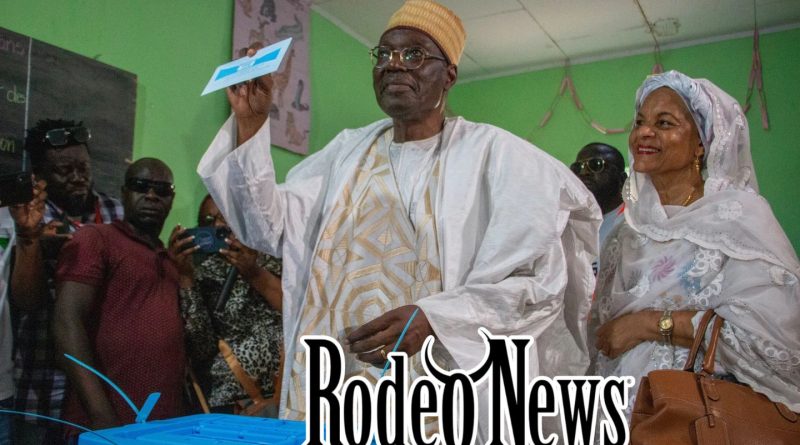
Cameroon — Cameroon’s long-standing political landscape was shaken early Tuesday as opposition candidate Issa Tchiroma Bakary claimed victory in the country’s contentious October 12 presidential election, directly challenging the decades-long rule of President Paul Biya.
In a pre-dawn video address posted on Facebook, Tchiroma declared, “Our victory is clear, it must be respected,” urging President Biya to “accept the truth of the ballot box” or risk pushing the country into instability.
The statement comes days before Cameroon’s Constitutional Council is expected to release official election results, due no later than October 26. The national electoral body, Elections Cameroon (ELECAM), has not yet confirmed any tallies.
The ruling party, Cameroon People’s Democratic Movement (CPDM), swiftly rejected Tchiroma’s self-declared victory. CPDM’s Deputy Secretary-General Gregoire Owona dismissed the claim, stating, “Tchiroma did not win and does not have the official vote counts.”
A Former Ally Turned Rival
At 76, Issa Tchiroma is a veteran of Cameroonian politics. Once a spokesperson and minister in Biya’s administration, he resigned from his government post last year to lead a growing opposition movement. Backed by a coalition of civic organizations and opposition parties, Tchiroma’s campaign attracted large crowds in key urban centers.
Despite his claim of victory, Tchiroma has yet to provide detailed figures. He promised to release a region-by-region breakdown of the vote in the coming days.
The government has responded with warnings. Minister of Territorial Administration Paul Atanga Nji reiterated last week that any attempt to announce election results without official sanction would be treated as “high treason.” According to Cameroonian law, only the Constitutional Council is authorized to declare the winner of a presidential election.
Biya’s Grip on Power Faces Scrutiny
President Paul Biya, now 92, is the oldest serving head of state in the world and has ruled Cameroon since 1982. His presidency has seen the Central African nation face major challenges, including widespread corruption, persistent underdevelopment, and a violent separatist insurgency in the country’s Anglophone regions.
Despite growing discontent, Biya’s position appeared unshaken heading into the 2025 election. His main rival, Maurice Kamto—who similarly claimed victory after the 2018 election—was barred from running this year following a controversial court ruling in August. The opposition fielded 11 candidates in total, further diluting the vote and raising concerns about unity within the anti-Biya bloc.
Analysts had largely forecast a win for Biya, citing the fragmented opposition and his entrenched control over state institutions.
A Country on Edge
The political climate in Cameroon remains tense. Nearly 8 million voters were eligible to cast ballots under a single-round, first-past-the-post system. In 2018, Biya officially won with over 70% of the vote, though the election was widely criticized for low turnout, irregularities, and violent suppression of opposition supporters.
This year’s vote took place under heightened scrutiny, as international observers and civil society groups monitored for signs of manipulation.
As Cameroon awaits official results, fears are growing that the political standoff could spill into unrest. The opposition’s latest declaration draws uncomfortable parallels to 2018, when post-election protests were met with force and dozens of opposition figures were jailed.
Whether this election marks a turning point in Cameroon’s political history or reaffirms the status quo depends heavily on what comes next — both in the Constitutional Council’s ruling and in the