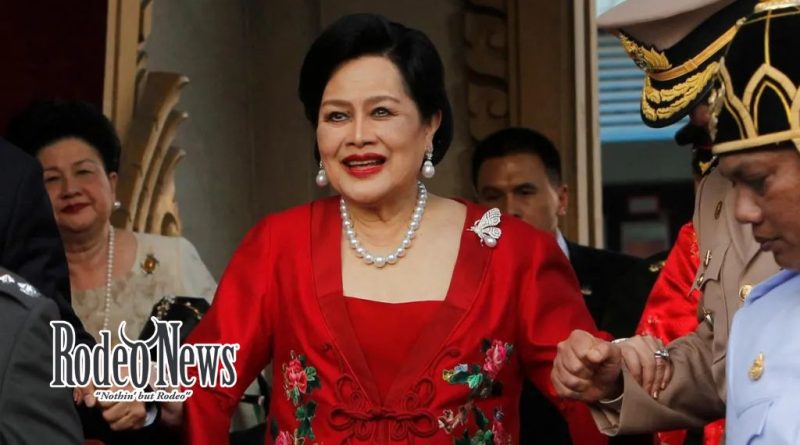
Queen Sirikit, Former Queen of Thailand, Dies Aged 93
In a somber announcement that has left the nation grieving, Queen Sirikit, the former queen consort of Thailand, passed away on Friday at the age of 93. According to the Thai Royal Household Bureau, she died peacefully at 21:21 local time (14:21 GMT) in a Bangkok hospital, where she had been receiving treatment for various health conditions since 2019.
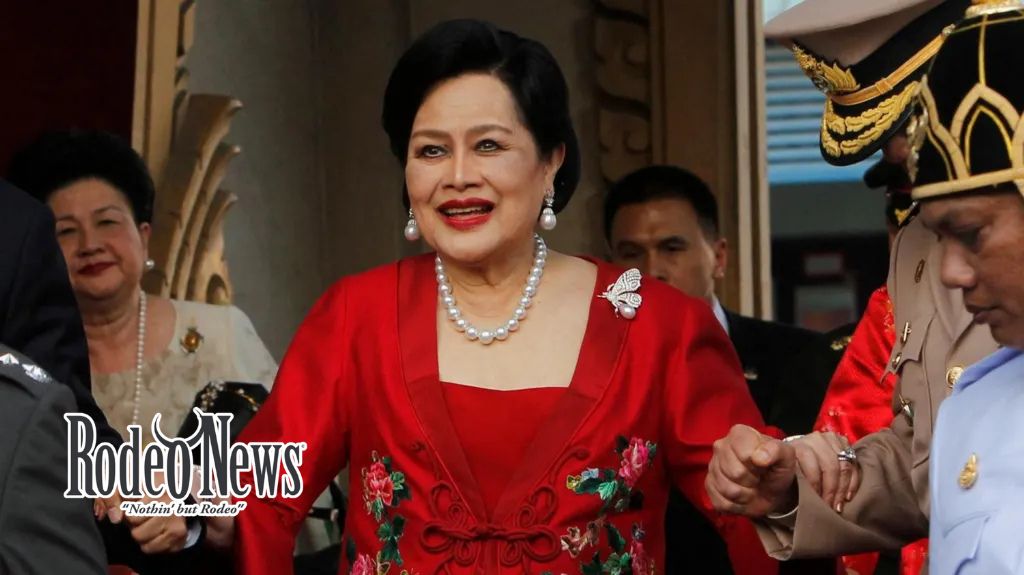
A fixture in Thai public life for over six decades, Queen Sirikit was revered not only as the wife of Thailand’s longest-reigning monarch, King Bhumibol Adulyadej, who passed away in 2016, but also as a symbol of grace and resilience. Her death marks the end of an era for Thailand, and her absence will undoubtedly be felt across the nation.
A Life Defined by Service and Style
Born on 12 August 1932, Sirikit was an instrumental figure in shaping Thailand’s monarchy during her marriage to King Bhumibol, which began in 1950. The couple’s royal marriage was a partnership that captivated both the Thai people and the global public. As a young queen, Sirikit was regarded as a style icon, known for her impeccable fashion and poise. She frequently topped international best-dressed lists in the 1960s, alongside her royal duties.
While her public image was one of elegance and strength, Queen Sirikit also played a critical role in the Thai monarchy’s deep connection with the people. In a rare 1980 interview with the BBC, she explained the close bond between the monarchy and the people of Thailand, noting that the royal family is seen as “the father and mother of the nation.” This relationship, she said, often comes at the cost of personal privacy, as the royal family is expected to be a constant presence in the lives of their citizens.
A Legacy of Compassion and Dedication
Queen Sirikit’s influence went beyond the royal court. She was widely regarded as a maternal figure, offering comfort and guidance to the people of Thailand. Her birthday, 12 August, has been celebrated as Mother’s Day since 1976, and she was revered for her contributions to Thai society, particularly her charity work.
Her role as a compassionate and dedicated figure extended to moments of personal tragedy. In 2008, Queen Sirikit attended the funeral of an anti-government protester who was killed during violent clashes with police. Despite her royal status, she showed a rare display of empathy for the common people, a trait that endeared her to many.
However, Queen Sirikit’s later years were marked by health struggles. She suffered a debilitating stroke in 2012, after which she withdrew from public life. Despite this, her legacy as a mother and queen continued to resonate deeply with the Thai people.
A Time of Mourning
Following her passing, King Vajiralongkorn, her son, has ordered the Royal Household Bureau to organize a royal funeral. Queen Sirikit’s body will lie in state at the Dusit Thorne Hall at the Grand Palace in Bangkok, a location steeped in royal tradition. The Thai royal family has declared a year of mourning in honor of her life and service to the nation.
Queen Sirikit’s passing leaves behind a profound legacy. Survived by her son, King Vajiralongkorn, and three daughters, her death signifies the loss of an influential and beloved figure in Thai history. As Thailand mourns, the country reflects on the remarkable life of a queen who helped shape its monarchy, its culture, and its heart.
Final Thoughts on Queen Sirikit’s Impact
Queen Sirikit’s legacy is one that transcends mere titles. It is a legacy of love, compassion, and unwavering devotion to her country and people. As Thailand enters this period of mourning, the memory of her extraordinary life will undoubtedly remain an indelible part of the nation’s collective heart.