
Peter Mandelson Scandal: 5 Shocking Security Failures Rock UK Government
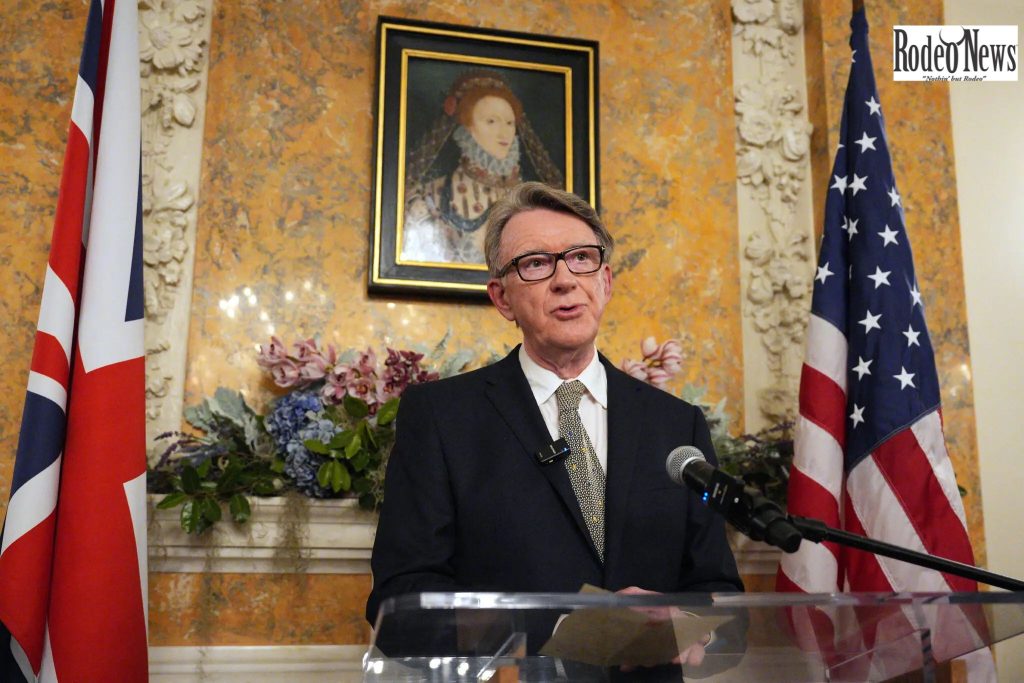
The Peter Mandelson scandal has erupted into one of the most serious political crises facing the UK government in 2026, exposing deep failures in national security procedures, political oversight, and transparency. At the center of the controversy is the revelation that Mandelson — a senior political figure and former UK ambassador to the United States — was appointed despite failing critical security vetting linked to his relationship with convicted sex offender Jeffrey Epstein.
This unfolding scandal has triggered resignations, police investigations, and growing pressure on Prime Minister Keir Starmer, raising urgent questions about how such a breach could occur at the highest levels of government.
1. Mandelson Failed Security Vetting — But Was Still Appointed
One of the most shocking elements of the Peter Mandelson scandal is that he reportedly failed the UK’s highest level of security clearance before his appointment.
According to multiple reports, UK Security Vetting (UKSV) officials initially recommended against granting him clearance. However, that decision was later overridden by senior officials, allowing Mandelson to assume a role with access to highly sensitive information.
This is highly unusual. Security vetting decisions are typically final and rarely overturned without compelling justification. The override has raised concerns that established safeguards were bypassed for political reasons.
2. Epstein Links Raised Major Red Flags
Mandelson’s long-standing association with Jeffrey Epstein played a central role in the vetting concerns.
Documents and prior investigations revealed that:
- Mandelson maintained contact with Epstein after his 2008 conviction
- He described Epstein as a close associate in private communications
- Financial and personal connections between the two spanned years
Further disclosures in 2026 suggested that Mandelson may have even shared sensitive government information with Epstein in the past, prompting a criminal investigation.
These revelations significantly amplified the risks flagged during the vetting process, making the decision to override security concerns even more controversial.
3. Starmer Faces Allegations of Misleading Parliament
Prime Minister Keir Starmer is now under intense scrutiny over his handling of the appointment.
Previously, Starmer told Parliament that Mandelson had undergone proper vetting procedures. However, newly released documents suggest that this statement may not fully reflect what actually happened.
This has created two troubling possibilities:
- Starmer was aware of the failed vetting and chose to proceed anyway
- Or he was not informed, indicating a serious breakdown within government structures
Either scenario carries significant political consequences, with opposition leaders accusing the government of misleading Parliament.
4. Arrest, Investigation, and Political Fallout
The Peter Mandelson scandal has quickly escalated beyond political embarrassment into a legal matter.
Mandelson was arrested in early 2026 as part of an investigation into alleged misconduct in public office. Authorities are examining claims that he may have shared confidential information with Epstein.
Although he has not been charged, the investigation remains ongoing. Meanwhile:
- Mandelson was dismissed from his ambassador role in 2025
- He resigned from the Labour Party amid mounting pressure
- Senior officials connected to the appointment have stepped down
Notably, the UK’s top Foreign Office civil servant resigned following the revelation that the vetting decision had been overridden.
5. A Crisis of Trust in Government Institutions
Beyond individual accountability, the scandal has exposed systemic weaknesses in how the UK government handles sensitive appointments.
Key concerns include:
- Lack of transparency in the vetting process
- The ability of officials to override security recommendations
- Insufficient communication between departments and political leadership
Critics argue that these failures undermine public trust and could pose long-term risks to national security.
The government has pledged to release additional documents and conduct a full review of the vetting system. However, pressure continues to mount for a broader inquiry into how the situation unfolded.
Why the Peter Mandelson Scandal Matters
This scandal is not just about one individual — it reflects deeper issues within the political system.
Firstly, it raises questions about whether political connections can override national security concerns. Secondly, it highlights the risks posed by undisclosed relationships with controversial figures like Epstein. Finally, it tests the accountability of elected leaders in maintaining transparency with Parliament and the public.
The situation has already led to comparisons with previous UK political crises, with some analysts describing it as a defining moment for Starmer’s leadership.
Growing Calls for Resignation
As more details emerge, calls for accountability are intensifying.
Opposition parties have demanded:
- Full disclosure of all documents related to Mandelson’s appointment
- A formal investigation into who approved the override
- Clarification on whether Parliament was misled
Some political figures have gone further, calling for Starmer’s resignation if it is proven that he knowingly provided inaccurate information.
The government, however, maintains that Starmer was unaware of the override and has committed to full transparency moving forward.
What Happens Next?
The Peter Mandelson scandal is still developing, and several key events are expected in the coming weeks:
- Parliamentary release of internal documents
- Continued police investigation into Mandelson’s actions
- Potential reforms to the UK security vetting system
The outcome of these developments could have lasting implications for the government and reshape how high-level appointments are handled in the future.
Conclusion
The Peter Mandelson scandal has exposed a rare and troubling breakdown in the UK’s political and security systems. From failed vetting procedures to undisclosed associations with Jeffrey Epstein, the case raises serious concerns about accountability at the highest levels of power.
As investigations continue, the central question remains unanswered: how was someone flagged as a security risk still allowed into one of the most sensitive roles in government?
The answer could determine not only the fate of those involved but also the future credibility of the UK government itself.