
Navy Secretary John Phelan Fired in Sudden Pentagon Shakeup
The Pentagon has removed U.S. Navy Secretary John Phelan from his position in a sudden and unexpected leadership shakeup that has drawn widespread attention across Washington and the defense community. The decision, confirmed on April 22, 2026, comes at a time of heightened military tension and ongoing internal restructuring within the U.S. Department of Defense.
According to official statements, Phelan’s departure is effective immediately. However, no formal explanation has been provided by the Pentagon, fueling speculation about internal disagreements and strategic conflicts at the highest levels of military leadership.
Hung Cao, the current Under Secretary of the Navy, has been appointed as acting Navy Secretary, stepping into one of the most critical roles in the U.S. military during a sensitive geopolitical period.
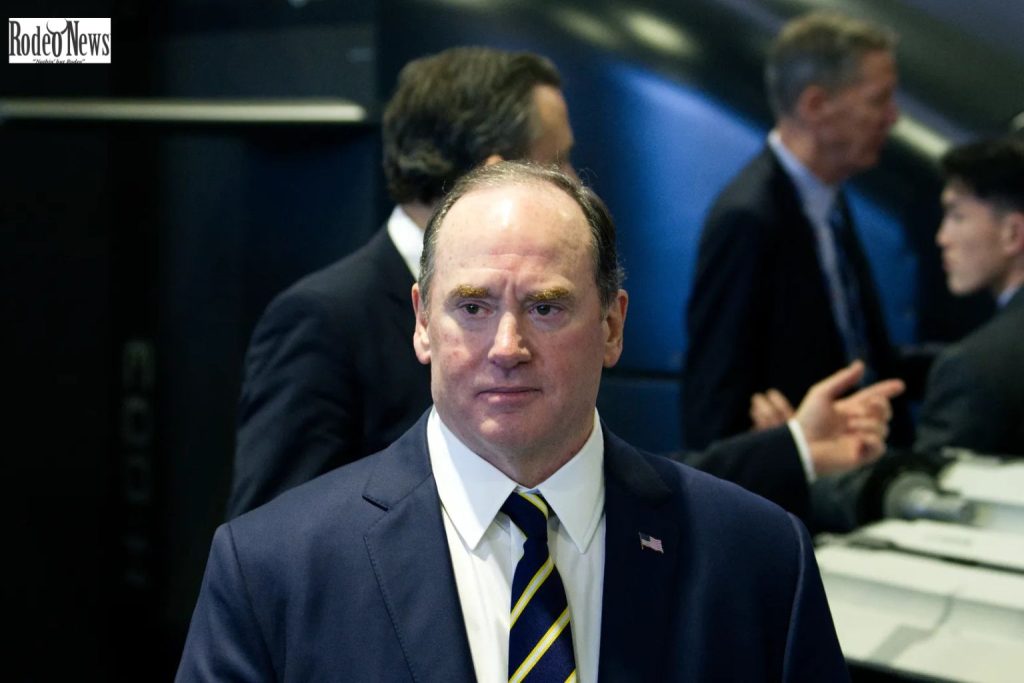
Sudden Leadership Change at the Pentagon
The firing of John Phelan marks one of the most significant leadership changes in the Navy in recent years. Defense Secretary Pete Hegseth reportedly ordered the removal, although officials have not publicly detailed the reasoning behind the decision.
Phelan’s exit was announced abruptly, and sources within the defense establishment described the move as part of a broader pattern of leadership reshuffling within the Pentagon.
This is not an isolated event. In recent weeks, multiple senior military officials across different branches have also been dismissed or reassigned, suggesting a broader restructuring effort within the U.S. defense leadership hierarchy.
Who Is John Phelan?
John Phelan served as the 79th U.S. Secretary of the Navy after being confirmed by the Senate in 2025. Before taking office, he was a businessman and political donor with no prior military experience, a factor that drew both support and criticism during his appointment process.
During his tenure, Phelan focused on modernization efforts within the Navy, including shipbuilding expansion programs and investment strategies aimed at strengthening naval readiness.
However, his leadership style reportedly caused friction within the Pentagon. Multiple reports suggest growing disagreements over strategic priorities, procurement decisions, and internal management of Navy programs.
Despite his relatively short tenure, Phelan played a visible role in shaping discussions around naval modernization and defense spending priorities.
Why Was He Fired?
While no official explanation has been released, several factors are being widely discussed by defense analysts:
1. Internal Conflict with Pentagon Leadership
Reports indicate escalating tensions between Phelan and senior defense officials, including disagreements over authority and decision-making power.
2. Shipbuilding and Modernization Disputes
Phelan was heavily involved in Navy modernization plans, but sources suggest friction over the pace and direction of shipbuilding reforms.
3. Strategic Alignment Issues
Some officials reportedly questioned whether Phelan’s leadership approach aligned with the broader strategic vision of the current Defense Department leadership.
Although none of these reasons have been officially confirmed, they reflect ongoing internal challenges within the Pentagon.
Hung Cao Takes Over as Acting Secretary
Following Phelan’s removal, Hung Cao has been appointed acting Secretary of the Navy. Cao previously served as Under Secretary and is a retired Navy officer with over two decades of military experience.
Unlike Phelan, Cao brings direct operational military experience, having served in the Navy for many years before transitioning into political and administrative roles.
His appointment is seen as an attempt to stabilize leadership and ensure continuity during a period of heightened military activity.
Who Is Hung Cao?
Hung Cao is a former U.S. Navy captain and political figure who has built a reputation as a strong advocate for military modernization and operational readiness.
Key background highlights:
- Retired U.S. Navy officer
- Former congressional candidate
- Served in multiple military deployments
- Known for strong national defense stance
Cao’s rise to acting Navy Secretary marks a significant shift toward leadership with direct battlefield and operational experience.
Why This Matters
The leadership change comes at a sensitive moment for the U.S. Navy and global security environment.
1. Ongoing Military Tensions
The Navy is currently operating in a high-pressure international environment involving maritime security concerns and strategic naval deployments.
2. Internal Pentagon Instability
Phelan’s removal adds to a growing list of high-level dismissals, raising questions about stability within defense leadership.
3. Strategic Naval Programs at Stake
Major initiatives such as fleet modernization, shipbuilding expansion, and readiness programs could face delays or restructuring under new leadership.
Broader Pattern of Military Shakeups
The firing of Phelan is part of what analysts describe as a broader wave of leadership changes within the defense establishment.
Recent months have seen multiple senior officials replaced or reassigned across military branches, suggesting a push for tighter alignment with current defense policy goals.
This trend has sparked debate in Washington over whether these changes represent necessary reform or disruptive instability.
What Happens Next?
Hung Cao is expected to serve as acting Navy Secretary while the administration determines a permanent replacement.
Key questions moving forward include:
- Will Cao be officially nominated for the permanent role?
- How will Navy modernization programs be affected?
- Will further leadership changes occur in other branches?
The answers to these questions will shape the direction of U.S. naval policy in the coming months.
Image ALT Text
Navy Secretary John Phelan Fired amid Pentagon leadership shakeup involving Hung Cao