Strait of Hormuz Blockade: 5 Shocking Global Impacts
The Strait of Hormuz blockade has rapidly become one of the most consequential geopolitical events of 2026, shaking global markets, disrupting energy supply chains, and raising fears of a broader conflict. Initiated by the United States following failed negotiations with Iran, the blockade is already reshaping international trade and economic stability.
Within just days, the operation has halted Iran’s maritime trade, driven oil prices upward, and heightened tensions among global powers. As the situation unfolds, analysts warn that the consequences could extend far beyond the Middle East.
What Is the Strait of Hormuz Blockade?
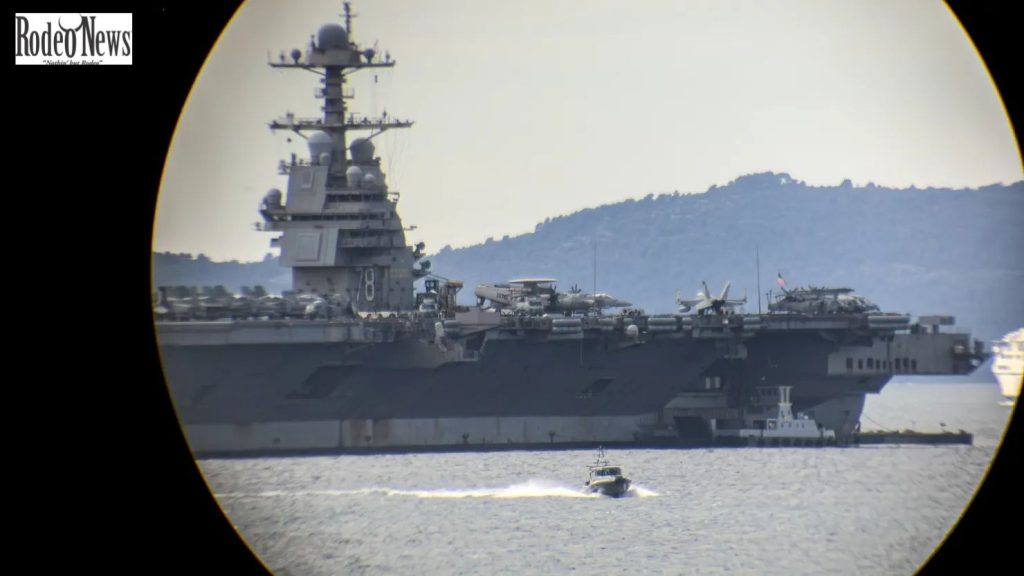
The Strait of Hormuz blockade refers to a U.S.-led naval operation targeting vessels entering or leaving Iranian ports. The move was ordered after diplomatic talks between Washington and Tehran collapsed, signaling a shift from negotiation to economic and military pressure.
According to U.S. officials, the blockade specifically targets Iranian trade routes while allowing other international shipping to continue. However, enforcement has been aggressive. In the first 24 hours alone, multiple vessels were intercepted and forced to turn back, effectively halting Iran’s sea-based commerce.
The operation involves more than 10,000 military personnel, along with warships and aircraft monitoring one of the world’s most critical maritime corridors.
Why the Strait of Hormuz Matters So Much
The Strait of Hormuz is not just another shipping route—it is a vital artery of the global economy. Roughly 20% of the world’s oil supply passes through this narrow waterway, making it one of the most strategically important chokepoints on the planet.
Even minor disruptions can ripple across global markets. Now, with the Strait of Hormuz blockade in effect, the risks are far from minor.
Shipping traffic has already dropped significantly, and uncertainty continues to dominate the region. The result is a fragile and volatile energy market that could shift dramatically with any escalation.
1. Oil Prices Are Surging Again
One of the most immediate effects of the Strait of Hormuz blockade is the sharp increase in oil prices.
Global benchmarks like Brent crude have climbed above $90 per barrel, with some spikes approaching $100 as supply concerns intensify.
This surge reflects not only reduced Iranian exports but also broader fears that the conflict could disrupt additional supply routes.
Meanwhile, refiners worldwide are scrambling to secure alternative sources, often paying premiums for non-Middle Eastern oil. This scramble adds further pressure to already strained markets.
2. Iran’s Economy Is Being Strangled
The blockade is designed to hit Iran where it hurts most—its economy.
Approximately 90% of Iran’s economic activity depends on maritime trade, making the blockade a powerful tool of economic warfare.
By cutting off exports—especially oil—the U.S. aims to force Tehran back to the negotiating table. Early signs suggest the strategy is working, at least in terms of immediate economic disruption.
However, such pressure also carries risks. A cornered Iran may choose escalation over compromise, potentially widening the conflict.
3. Global Trade Faces Massive Disruption
The Strait of Hormuz blockade is not just about oil—it affects global trade on a massive scale.
The region serves as a key transit point for goods ranging from liquefied natural gas to industrial materials and consumer products. Any disruption creates bottlenecks that can impact supply chains worldwide.
Shipping companies are already rerouting vessels or delaying journeys due to security concerns. These adjustments increase transportation costs, which may eventually be passed on to consumers.
As a result, industries far removed from the Middle East—from manufacturing to agriculture—could feel the impact.
4. Risk of Military Escalation Is Rising
Perhaps the most dangerous consequence of the Strait of Hormuz blockade is the heightened risk of military conflict.
Iran has warned that it may retaliate against U.S. forces or disrupt regional shipping routes further. Meanwhile, U.S. military presence in the region continues to grow, with additional troops and assets being deployed.
This creates a volatile environment where even a minor incident could escalate into a larger confrontation.
The involvement of other regional players—and potentially global powers like China—adds another layer of complexity and risk.
5. The Global Economy Is Under Threat
Beyond oil and military tensions, the Strait of Hormuz blockade poses a broader threat to the global economy.
The disruption has already prompted warnings of slower economic growth and potential recession risks. International organizations are closely monitoring the situation as energy prices rise and supply chains tighten.
In previous crises, sustained increases in oil prices have led to inflation, reduced consumer spending, and economic downturns. This time may be no different.
If the blockade continues or escalates, the economic fallout could be severe and long-lasting.
Can Diplomacy Still Resolve the Crisis?
Despite the escalating tensions, there are signs that diplomacy is not entirely off the table.
U.S. officials have indicated that talks with Iran could resume soon, raising hopes for a negotiated solution.
However, major disagreements remain—particularly over Iran’s nuclear program and the duration of any potential agreement.
For now, the Strait of Hormuz blockade serves as both a bargaining tool and a source of global instability.
What Happens Next?
The future of the Strait of Hormuz blockade depends on several key factors:
- Whether diplomatic talks resume successfully
- How Iran responds to economic and military pressure
- The involvement of other global powers
- The stability of global energy markets
Each of these factors will play a critical role in determining whether the crisis de-escalates or intensifies.
Conclusion
The Strait of Hormuz blockade is more than a regional conflict—it is a global event with far-reaching consequences.
From rising oil prices to disrupted trade and increased military tensions, the impacts are already being felt worldwide. As the situation continues to evolve, governments, businesses, and consumers alike must prepare for uncertainty.
Whether this crisis leads to renewed diplomacy or deeper conflict remains to be seen. What is clear, however, is that the world is entering a new phase of geopolitical tension—one where control of critical resources and trade routes could shape the future of the global economy.