
Mexico US Agents Crash: Shocking Truth Revealed
The Mexico US agents crash has triggered fresh diplomatic tension between Washington and Mexico City after authorities revealed that American personnel involved in the fatal incident were not officially authorized to conduct operations on Mexican soil. The revelation has reignited debates over sovereignty, intelligence cooperation, and the limits of foreign involvement in Mexico’s ongoing war against drug cartels.
The incident, which occurred in northern Mexico, involved a vehicle carrying U.S. personnel and Mexican officials that plunged into a ravine and exploded, killing all onboard. However, what initially appeared to be a tragic accident has evolved into a complex political and security controversy.
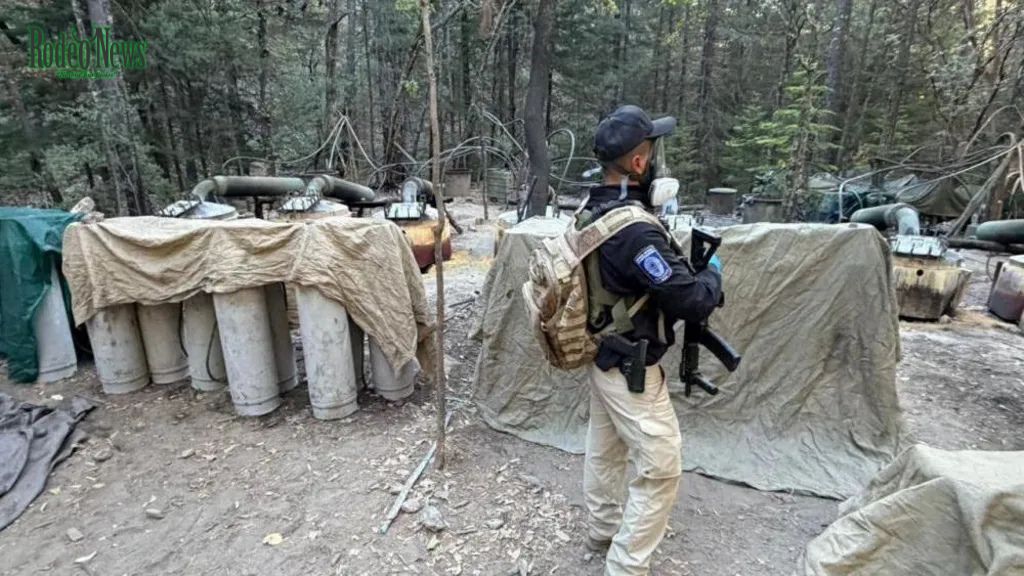
Fatal Crash Linked to Anti-Drug Operation
According to multiple reports, including recent developments, the crash occurred after a mission targeting clandestine drug laboratories in the state of Chihuahua. The victims included two U.S. officials—widely believed to be linked to intelligence agencies—and two Mexican security officers.
Authorities said the vehicle veered off a mountainous road and burst into flames, leaving no survivors.
The operation itself was part of broader efforts to dismantle drug production networks tied to powerful cartels. These operations have become increasingly critical as both countries struggle to contain the flow of narcotics across borders.
However, conflicting accounts soon emerged regarding the exact role of the U.S. personnel in the mission.
Mexico Denies Authorizing U.S. Agents
Mexico’s government quickly clarified that the American agents involved in the Mexico US agents crash had not been granted permission to participate in operational activities within the country.
Officials emphasized that Mexican law strictly prohibits foreign agents from engaging directly in law enforcement operations without federal authorization.
This statement marked a significant shift from earlier assumptions that the operation had been jointly coordinated. It also raised serious questions about how the agents came to be involved in the mission.
President Claudia Sheinbaum confirmed that her administration had not been informed of any such operation, prompting an internal investigation into whether national security laws had been violated.
Conflicting Narratives Surround the Operation
One of the most striking aspects of the Mexico US agents crash is the inconsistency in official accounts.
Some local officials initially claimed that the U.S. personnel were merely providing technical training, such as drone operation support, and were not directly involved in the raid.
However, other reports suggest that the agents may have played a more active role, including intelligence coordination or even participation in dismantling drug labs.
These contradictions have fueled speculation and intensified scrutiny from both governments.
Security analysts warn that such inconsistencies could damage trust between the two nations, especially in sensitive areas like intelligence sharing and joint operations.
Sovereignty at the Center of the Dispute
At the heart of the controversy lies a long-standing issue: Mexico’s insistence on maintaining full sovereignty over its territory.
The country has historically resisted direct involvement from foreign military or law enforcement agencies, particularly from the United States. This stance is rooted in a complex history of intervention and political sensitivity.
Mexico’s leadership has repeatedly stated that while cooperation is welcome, it must occur strictly within legal frameworks—primarily through intelligence sharing rather than active participation.
The Mexico US agents crash has therefore become a symbol of these tensions, highlighting the fine line between collaboration and overreach.
U.S. Pressure and Expanding Counter-Drug Efforts
The incident comes at a time when the United States has been increasing pressure on Mexico to take stronger action against drug cartels.
In recent years, U.S. agencies have expanded their role in counter-narcotics efforts, including intelligence gathering, surveillance, and training programs.
Some reports indicate that American operatives have been involved in identifying and tracking drug production sites, often using advanced technology such as drones.
While these efforts have contributed to major successes—such as the dismantling of large drug labs—they have also raised concerns about the extent of U.S. involvement.
The crash has now brought those concerns into sharp focus.
Diplomatic Tensions Rise
Following the revelations, Mexico formally requested clarification from the United States regarding the presence and activities of the agents involved.
At the same time, U.S. officials have offered limited public details, citing the sensitive nature of intelligence operations.
Despite the tensions, both governments have expressed a desire to maintain cooperation. Mexico reiterated its commitment to a “respectful and coordinated” relationship focused on mutual security interests.
Still, analysts warn that the fallout from the Mexico US agents crash could have lasting consequences.
Impact on Future Security Cooperation
The incident could reshape how the U.S. and Mexico collaborate on security issues moving forward.
Key areas that may be affected include:
- Intelligence sharing protocols
- Joint training programs
- Cross-border operational agreements
Mexico may impose stricter oversight on foreign personnel operating within its borders, potentially limiting the scope of future cooperation.
On the other hand, the United States may push for clearer agreements to avoid similar misunderstandings.
Broader Context: The Fight Against Drug Cartels
The tragedy underscores the ongoing challenges both countries face in combating organized crime.
Drug cartels remain powerful and adaptable, often operating across borders and using sophisticated methods to evade law enforcement.
Efforts to dismantle these networks require close coordination between nations. However, as the Mexico US agents crash demonstrates, such cooperation is not without risks.
Balancing effectiveness with respect for sovereignty remains a delicate task.
Public and Political Reactions
The incident has sparked debate in both countries.
In Mexico, there is growing concern about unauthorized foreign involvement and the potential erosion of national sovereignty.
In the United States, some policymakers argue that stronger action is needed to combat cartels, even if it means expanding operational roles.
These differing perspectives could complicate future negotiations and policy decisions.
What Happens Next?
Investigations into the crash and the agents’ activities are ongoing.
Mexican authorities are examining whether any laws were violated, while U.S. officials are likely conducting their own internal reviews.
The outcome of these investigations could influence diplomatic relations and set precedents for how similar situations are handled in the future.
Conclusion
The Mexico US agents crash is more than a tragic accident—it is a flashpoint in a broader debate over sovereignty, security, and international cooperation.
As both nations navigate the aftermath, the incident serves as a reminder of the complexities involved in fighting transnational crime.
Whether it leads to stronger collaboration or increased tension will depend on how both sides address the questions raised by this घटना.
For now, one thing is clear: the balance between cooperation and control has never been more critical.