King Charles US Visit 2026: 5 Key Moments Revealed
The King Charles US visit 2026 marks a defining moment in modern diplomacy between the United Kingdom and the United States. Taking place from April 27 to April 30, the visit is not only symbolic but also deeply strategic, coinciding with the 250th anniversary of American independence.
This historic trip is King Charles III’s first official visit to the United States as monarch. It also comes at a time when global tensions and shifting alliances make diplomatic gestures more meaningful than ever.
From a highly anticipated address to Congress to cultural engagements across multiple cities, the visit blends tradition, politics, and soft power. Here are the five key moments shaping this landmark event.
1. Historic Address to the US Congress
One of the most significant highlights of the King Charles US visit 2026 is his address to a joint session of Congress. This rare honor has only been extended to a British monarch once before, making it a moment of historical importance.
The speech is expected to focus on shared democratic values, the long-standing alliance between the UK and the US, and the importance of unity in a rapidly changing world.
However, the context surrounding the speech adds complexity. With political divisions and global conflicts influencing international relations, the King must strike a careful balance. He is expected to remain neutral while reinforcing the strength of the transatlantic partnership.
This moment will likely define the tone of the entire visit.
2. White House Ceremony and State Dinner
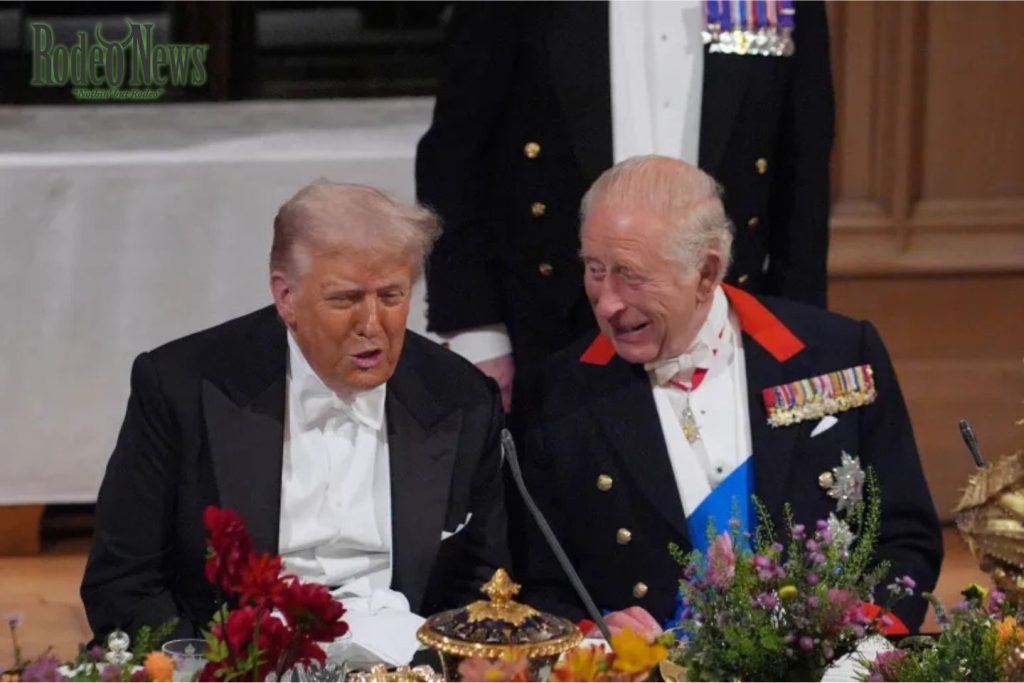
Another major highlight of the King Charles US visit 2026 is the formal استقبال at the White House. Hosted by President Donald Trump, the ceremony includes military honors, diplomatic meetings, and a prestigious state dinner.
State dinners are more than ceremonial events. They serve as powerful diplomatic tools, allowing leaders to engage in informal discussions while showcasing cultural ties.
During this visit, conversations are expected to cover trade, security, and global cooperation. While no formal agreements may be signed, the symbolism of unity remains crucial.
The event also highlights the enduring “special relationship” between the two nations, even during periods of political tension.
3. Tribute at the September 11 Memorial
In New York City, the King will visit the September 11 Memorial. This moment adds a deeply emotional dimension to the King Charles US visit 2026.
Paying tribute to the victims of the 2001 attacks reinforces the shared history of resilience between the US and the UK. The gesture also underscores the monarchy’s role in offering empathy and solidarity during moments of national reflection.
Such visits often resonate strongly with the public. They humanize global leaders and remind audiences of the personal connections behind diplomatic relationships.
This stop is expected to be one of the most poignant moments of the trip.
4. Cultural Engagements in New York and Virginia
Beyond politics, the King Charles US visit 2026 emphasizes cultural diplomacy. The King and Queen Camilla are scheduled to attend community events in New York, including engagements in Harlem that celebrate diversity and heritage.
These interactions highlight the monarchy’s evolving role in modern society. Rather than focusing solely on tradition, the visit aims to connect with communities and promote inclusivity.
In Virginia, the itinerary shifts toward environmental and agricultural themes. The King is expected to visit rural areas and national parks, reflecting his long-standing interest in sustainability and conservation.
Cultural performances, including Appalachian traditions, will further showcase the richness of American heritage.
Together, these engagements present a broader image of diplomacy—one that extends beyond government halls into everyday life.
5. Strengthening the Special Relationship
At its core, the King Charles US visit 2026 is about reinforcing the “special relationship” between the United Kingdom and the United States.
This relationship has endured for decades, shaped by shared values, economic ties, and military cooperation. However, recent geopolitical developments have tested its strength.
The visit comes amid global uncertainty, including tensions in international conflicts and shifting alliances. In this context, the King’s presence serves as a stabilizing force.
Unlike political leaders, the monarch represents continuity. His role allows him to engage diplomatically without the constraints of policy debates. This unique position makes the visit particularly valuable.
By focusing on unity, history, and shared goals, the trip aims to reaffirm the partnership for the future.
A Visit Shaped by Timing and Symbolism
The timing of the King Charles US visit 2026 adds another layer of significance. Celebrating 250 years of American independence, the visit reflects how far the relationship between the two nations has evolved.
From former adversaries to close allies, the journey of the US and UK is a testament to diplomacy and cooperation. The King’s visit symbolizes this transformation.
Moreover, the trip highlights the role of soft power in international relations. While political leaders negotiate policies, figures like King Charles help build trust and goodwill.
This dual approach—combining hard and soft diplomacy—is essential in today’s complex world.
Challenges and Sensitivities
Despite its positive outlook, the King Charles US visit 2026 is not without challenges.
Political divisions within the United States, as well as differing foreign policy approaches between the US and the UK, create a delicate environment. Additionally, security concerns and recent global events add pressure to the visit.
The King must navigate these complexities carefully. His speeches and public appearances will be closely analyzed, both domestically and internationally.
Maintaining neutrality while delivering meaningful messages is a difficult task. However, it is also what makes the monarchy’s role so unique and impactful.
The Role of Modern Monarchy
The King Charles US visit 2026 also reflects the evolving role of the British monarchy.
In the past, royal visits were primarily ceremonial. Today, they carry strategic importance. The monarchy acts as a bridge between nations, cultures, and political systems.
King Charles, in particular, has long been associated with causes such as climate change, sustainability, and interfaith dialogue. These themes are likely to influence his engagements during the visit.
By addressing global issues while maintaining tradition, the King represents a modern approach to monarchy—one that remains relevant in the 21st century.
What This Means for the Future
Looking ahead, the King Charles US visit 2026 could have lasting implications for international relations.
While the visit itself may not produce immediate policy changes, its impact lies in strengthening connections and building trust. These intangible outcomes often pave the way for future cooperation.
The visit also sets a precedent for how royal diplomacy can adapt to modern challenges. By combining tradition with forward-looking themes, it demonstrates the continued relevance of the monarchy on the global stage.
For both the United States and the United Kingdom, the trip is an opportunity to reaffirm shared values and chart a path forward together.
Conclusion
The King Charles US visit 2026 is more than a ceremonial tour. It is a carefully orchestrated diplomatic effort that blends history, symbolism, and modern relevance.
From the historic Congress address to emotional tributes and cultural engagements, each moment plays a role in shaping the narrative of the visit.
In a world marked by uncertainty, such gestures of unity and cooperation carry significant weight. The success of the visit will ultimately depend on its ability to reinforce trust and highlight the enduring bond between two of the world’s most influential nations.
As the visit unfolds, it stands as a powerful reminder that diplomacy is not only about policies—it is also about people, history, and shared aspirations.