Vibrio Bacteria Spread: 7 Shocking East Coast Risks
A dangerous microbial threat is quietly expanding along the United States coastline. Scientists are warning that the Vibrio bacteria spread is accelerating up the East Coast, raising new public health concerns for beachgoers, seafood lovers, and coastal communities.
Once mostly confined to warmer southern waters, this group of bacteria is now appearing farther north than ever before. The shift is being driven largely by warming ocean temperatures, a direct consequence of climate change.
But what does this mean for everyday people? And how serious is the risk?
What Is Vibrio and Why Is It Dangerous?
Vibrio is a genus of naturally occurring marine bacteria found in coastal waters worldwide. Scientists estimate there are more than 70 species of Vibrio in the environment today.
While many strains are harmless, some can cause severe illness in humans. The most notorious is Vibrio vulnificus, often referred to as “flesh-eating bacteria.”
Infections can occur in two primary ways:
- Through open wounds exposed to contaminated seawater
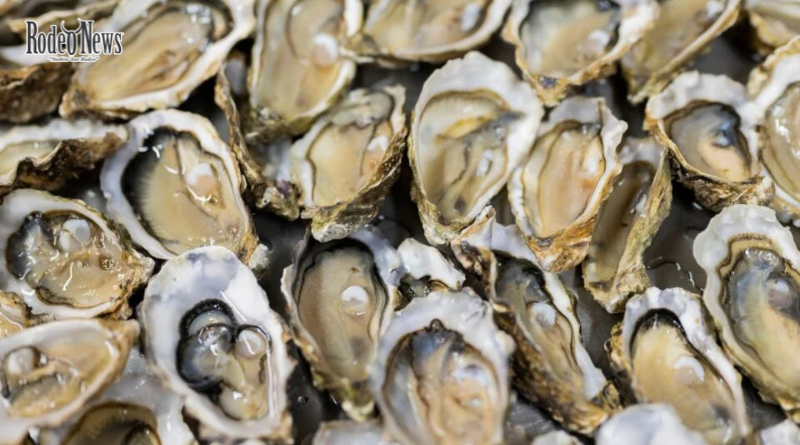
- By consuming raw or undercooked seafood, especially oysters
In severe cases, the bacteria can enter the bloodstream, leading to life-threatening complications such as sepsis.
Why Vibrio Bacteria Spread Is Increasing
The expansion of Vibrio is closely tied to rising ocean temperatures. These bacteria thrive in warm, brackish water, making climate change an ideal driver for their growth.
According to recent reporting, warming waters are allowing Vibrio to move into regions that were historically too cold to support it.
Scientific studies support this trend, showing that infection risks could increase dramatically in the coming decades as global temperatures rise.
In simple terms:
Warmer oceans = more Vibrio = higher infection risk
7 Shocking Risks of Vibrio Bacteria Spread
1. Rapidly Expanding Geographic Range
Vibrio is no longer limited to the Gulf Coast. It is now appearing along northern parts of the East Coast, including areas that previously saw little to no cases.
2. Fast-Acting Infections
Some Vibrio infections can become severe within 24 to 48 hours, especially when bacteria enter through open wounds.
3. High Mortality Rate
Certain strains, such as Vibrio vulnificus, carry a significant risk of death, particularly in vulnerable individuals.
4. Increased Risk for Beachgoers
Even small cuts or scrapes can serve as entry points for infection when swimming in contaminated water.
5. Seafood Contamination
Vibrio can accumulate in shellfish like oysters, posing a risk to people who consume them raw or undercooked.
6. Vulnerable Populations at Higher Risk
People with weakened immune systems, liver disease, or chronic illnesses face a greater chance of severe outcomes.
7. Climate Change Amplification
As global temperatures continue to rise, experts warn that Vibrio infections could become more frequent and widespread.
Who Should Be Most Concerned?
While anyone can be exposed, certain groups face higher risks:
- Older adults
- People with compromised immune systems
- Individuals with liver disease
- Those with open wounds or recent injuries
Experts emphasize that awareness—not panic—is key. Most people who come into contact with Vibrio do not become seriously ill, but the consequences can be severe when infections do occur.
Symptoms You Should Never Ignore
Recognizing symptoms early can make a life-saving difference. Signs of Vibrio infection include:
- Fever and chills
- Vomiting or diarrhea
- Redness or swelling around a wound
- Severe pain near the infection site
- Skin lesions or blisters
If untreated, the infection can spread rapidly through the bloodstream, leading to septic shock.
How to Protect Yourself from Vibrio
Despite the alarming spread, there are simple steps you can take to reduce your risk:
Avoid Water Exposure with Open Wounds
If you have cuts, scrapes, or healing injuries, stay out of seawater or cover them with waterproof bandages.
Be Careful with Seafood
Avoid eating raw or undercooked shellfish, especially oysters.
Practice Good Hygiene
Wash any wounds thoroughly after contact with seawater.
Stay Informed
Check local health advisories, especially during warmer months when Vibrio levels are higher.
The Bigger Picture: Climate Change and Public Health
The Vibrio bacteria spread is part of a broader trend linking climate change to emerging health risks.
As oceans warm, they not only support more bacterial growth but also alter ecosystems in ways that can increase human exposure. Scientists warn that this is just one example of how environmental changes are reshaping disease patterns worldwide.
Research suggests that without intervention, Vibrio infections could become significantly more common by the end of the century.
Should You Be Worried?
Experts say the situation should be taken seriously—but not exaggerated.
For most people, the risk remains relatively low with proper precautions. However, awareness is critical, especially for those in high-risk groups.
The key takeaway is simple:
The ocean isn’t becoming unsafe—but it is changing.
Final Thoughts
The rise of Vibrio along the East Coast is a clear signal of how environmental shifts can directly impact human health. What was once a regional issue is now becoming a broader concern.
By understanding the risks, recognizing symptoms, and taking preventive steps, individuals can continue to enjoy coastal environments safely.
The Vibrio bacteria spread may be accelerating, but informed choices can significantly reduce its impact.