University of Michigan Grades: 2027 Plan Sparks Debate
The future of University of Michigan grades for incoming freshmen has become the center of a growing debate over student mental health, academic pressure and whether colleges should rethink how they ease students into higher education.
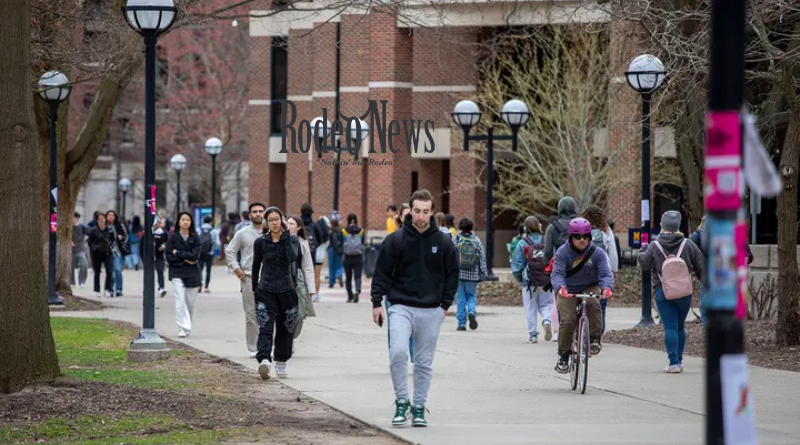
Beginning in fall 2027, first-year students entering the University of Michigan’s College of Literature, Science, and the Arts, or LSA, will have their first-semester courses recorded on external transcripts as either pass or no credit rather than traditional letter grades. Students will still receive their actual letter grades and feedback from instructors, but those grades will not be calculated into their cumulative GPA or displayed as traditional marks on their external academic records.
The policy, described as a grade-covering pilot, is intended to help students adapt to the demands of college and reduce the pressure that can accompany the transition from high school to one of the nation’s most competitive public universities.
However, reactions among students have been sharply divided.
Some see the change as a reasonable effort to reduce unnecessary anxiety during one of the most difficult transitions in a young person’s academic life. Others argue that hiding the consequences of grades could weaken motivation, encourage poor habits and simply postpone the stress that students will eventually face.
The debate over University of Michigan grades now reflects a broader national conversation: Should universities reduce the pressure surrounding academic performance, or should they focus on preparing students to manage that pressure?
What Is Changing for University of Michigan Grades?
The new policy applies specifically to incoming first-year students in the College of Literature, Science, and the Arts beginning in fall 2027.
According to the University of Michigan’s admissions information, students will continue to receive grades and instructor feedback in their courses. The major change is how those final grades will appear on official academic records. Instead of traditional letter grades appearing on external transcripts, first-semester courses will receive a designation of pass, or P, or no credit, or NC. Those covered grades also will not be reflected in students’ GPAs.
That distinction is important.
The university is not eliminating academic evaluation. Professors will still assess student performance, assign letter grades and provide feedback. University administrators will also retain the underlying academic records for certain internal purposes.
According to reporting on the policy, those internal records may be used for academic advising, financial aid, scholarships, awards and other administrative requirements.
The program also does not apply to every freshman at the University of Michigan.
The change is focused on students entering LSA, the university’s largest college. Other incoming students enrolled in different schools and colleges, including professional and specialized programs, are not automatically covered by the policy. ABC News reported that the program will affect thousands of first-year students within LSA while students in other parts of the university will continue under their existing grading structures.
Why University of Michigan Is Covering First-Semester Grades
University officials have presented the policy as part of a broader effort to support student well-being.
The first semester of college can be a difficult adjustment. Students must adapt to new academic expectations, unfamiliar teaching styles, increased independence and, in many cases, life away from home for the first time.
For students entering a highly competitive academic environment, the pressure can become even more intense.
University officials say the grade-covering approach is designed to give first-year students time to acclimate to college-level coursework and explore academic opportunities without fearing that one difficult class could immediately damage their long-term GPA.
The university’s approach emphasizes what educators often describe as intrinsic motivation. Rather than focusing entirely on protecting a GPA, students may be more willing to experiment with unfamiliar subjects, take academically challenging courses and discover interests outside the areas in which they performed best in high school.
A student who is curious about a difficult subject, for example, may be more willing to take an introductory course if a disappointing grade during the first semester does not permanently affect their GPA.
Supporters believe that freedom could encourage intellectual exploration.
Critics, however, question whether reducing the immediate consequences of grades is the best way to address student stress.
Students Split Over the New University of Michigan Grades Policy
Student reactions gathered by Fox News Digital showed a clear divide.
Some University of Michigan students said the transition into college can be stressful enough that giving freshmen one semester of reduced GPA pressure could be beneficial.
Students supporting the policy pointed to the challenge of adapting to demanding coursework and argued that struggling academically during the first months of college does not necessarily predict future success.
For students who eventually find their academic rhythm, the first semester can represent a learning curve rather than a permanent measure of ability.
Other students, however, expressed concerns that the policy could create unintended consequences.
One criticism is that students may become less motivated if strong and weak performances carry the same external transcript designation as long as they receive credit for the course. Another concern is that freshmen could develop poor study habits during the first semester and then face a difficult adjustment when traditional GPA consequences return.
Some students interviewed by Fox News also argued that universities should focus on expanding counseling, support services and academic resources instead of changing the way grades appear on transcripts.
That disagreement illustrates the central question behind the policy.
Is the pressure of first-semester grading itself a major source of student distress, or is it simply one part of a much larger set of challenges facing college students?
Supporters Say the Policy Could Encourage Academic Exploration
Supporters of the grade-covering pilot argue that the first semester of college should be treated as a transition period.
High school and university learning environments can be dramatically different.
Students who previously earned top grades may suddenly encounter larger classes, more demanding reading requirements, unfamiliar testing methods and professors who expect significantly greater independence.
A student accustomed to being near the top of their class may also experience academic competition at a completely different level.
Under the new University of Michigan grades system for LSA freshmen, students would still know how they performed. They would receive instructor feedback and traditional letter grades internally.
The difference is that a difficult first semester would not immediately affect the GPA that follows students through the rest of their undergraduate careers.
Supporters say this could make students more willing to take intellectual risks.
For example, a student interested in a subject outside their strongest academic area might normally avoid it because of concerns about receiving a low grade. Without the same immediate GPA consequences during the first semester, that student may be more willing to explore.
The university’s stated goal includes helping students acclimate to college while allowing academic interests and personal motivation to play a larger role in course selection.
Supporters also point out that Michigan is not the first institution to experiment with alternatives to traditional first-semester grading.
Other colleges, including the Massachusetts Institute of Technology, the California Institute of Technology, Wellesley College and Swarthmore College, have used grading systems designed to reduce the impact of early academic performance on students’ long-term records.
That history suggests the idea is not entirely new, even if Michigan’s decision has generated significant attention.
Critics Warn of Lower Motivation and Delayed Pressure
Opponents of the policy see the situation differently.
Their argument is not necessarily that student stress should be ignored. Instead, critics question whether changing the transcript system addresses the underlying causes of that stress.
College students still have to complete difficult assignments, prepare for exams and meet academic expectations. Traditional letter grades will also return after the first semester.
From that perspective, the policy may reduce the visibility of academic consequences without eliminating the academic challenges themselves.
Critics also worry about the transition into the second semester.
If students become accustomed to thinking that their GPA is protected during their first months on campus, they may face a sudden increase in pressure when every grade begins to count.
That concern has been echoed by students who believe the university could unintentionally delay rather than solve academic anxiety.
Another criticism involves motivation.
In a traditional system, students know that every course can influence their GPA. Removing that immediate consequence could, critics argue, reduce the incentive for some students to maintain strong study habits.
Supporters counter that this concern overlooks the fact that students will still receive letter grades and feedback from professors. Academic performance will not become invisible to students themselves.
The question is whether the absence of GPA consequences for one semester changes behavior significantly.
The University of Michigan’s pilot may eventually provide more evidence on that issue.
The Mental Health Debate Goes Beyond Grades
The controversy surrounding University of Michigan grades is ultimately part of a much larger discussion about student mental health.
College administrators across the United States have spent years confronting rising concerns about anxiety, depression, academic pressure and student well-being.
Academic performance can be one source of stress, particularly for students who have spent years competing for admission to highly selective universities.
However, grades are not the only challenge.
Students may also struggle with financial concerns, social pressure, isolation, career uncertainty, family expectations and the constant influence of digital media.
That complexity is why some critics argue that universities should be careful about treating grading policy as a solution to a broader mental health problem.
Additional counseling services, peer support programs, academic tutoring and improved access to mental health resources may address different parts of the problem.
At the same time, supporters argue that universities do not need to choose only one strategy.
A change to first-semester grading can exist alongside expanded mental health services and academic support.
The debate, therefore, may be less about whether student mental health matters and more about which interventions are most likely to make a meaningful difference.
What the Policy Means for Future Freshmen
For students entering Michigan’s LSA in fall 2027, the practical impact will be significant.
They will still need to complete their coursework and meet the standards required to earn academic credit.
They will still receive instructor feedback and know their academic performance.
However, their first-semester grades will not appear as standard letter grades on external transcripts, and those grades will not be included in the calculation of their overall GPA.
Beginning with later semesters, students will return to the university’s traditional grading structure.
That makes the first semester a unique transition period rather than a permanent shift away from GPA-based academic evaluation.
Students applying to graduate programs, internships or future professional opportunities may still need to consider how internal academic records are handled for particular university processes.
The University of Michigan has said the underlying grades will continue to be maintained internally for designated administrative purposes.
As with any new academic policy, the long-term impact will depend on how students respond.
Will freshmen take greater academic risks?
Will they experience less anxiety?
Will academic performance improve after students have time to adjust?
Or will critics’ concerns about motivation and delayed stress prove justified?
Those questions cannot be fully answered until the program has been implemented and evaluated.
University of Michigan Grades Could Become a Test Case
The Michigan pilot could attract attention from universities across the country.
Higher education institutions are under increasing pressure to demonstrate that they are supporting students academically while also responding to concerns about mental health and well-being.
The traditional GPA remains one of the most influential measures in higher education. It can affect scholarships, academic recognition, graduate school applications and employment opportunities.
Changing how that system operates, even for only one semester, raises important questions.
Should a student’s earliest months in college carry the same long-term consequences as their later academic performance?
Should universities create a transition period for freshmen?
Or does removing GPA consequences send the wrong message about academic accountability?
The University of Michigan is betting that its first-semester grade-covering model can provide students with a better transition without removing academic standards entirely.
Professors will still grade the work. Students will still receive feedback. The university will still retain academic information internally.
What changes is the effect of those first-semester grades on the student’s external transcript and cumulative GPA.
That distinction will likely remain at the center of the debate.
The Bottom Line
The new University of Michigan grades policy for incoming LSA freshmen represents a significant experiment in how universities approach the transition into higher education.
Starting in fall 2027, students in the program will still receive traditional academic evaluations, but their first-semester transcript records will show pass or no credit, and those grades will not affect their cumulative GPA.
Supporters believe the policy could reduce unnecessary pressure, improve student well-being and encourage freshmen to explore challenging academic subjects.
Critics worry that it could weaken motivation, delay academic stress and fail to address the deeper causes of student mental health concerns.
For now, the University of Michigan’s approach remains a pilot program with a major question behind it: Can reducing the long-term consequences of first-semester grades help students build a stronger academic foundation?
The answer may not become clear until the first class of students experiences the system in 2027.
Until then, the debate over grades, mental health and academic accountability is likely to continue — not only in Ann Arbor, but across higher education.