The nomination of Kevin Warsh to lead the Federal Reserve has entered a decisive phase after a major political shift in Washington. The Kevin Warsh Fed nomination, once stalled by internal Republican opposition, is now moving forward following a key endorsement that could reshape U.S. monetary policy for years.
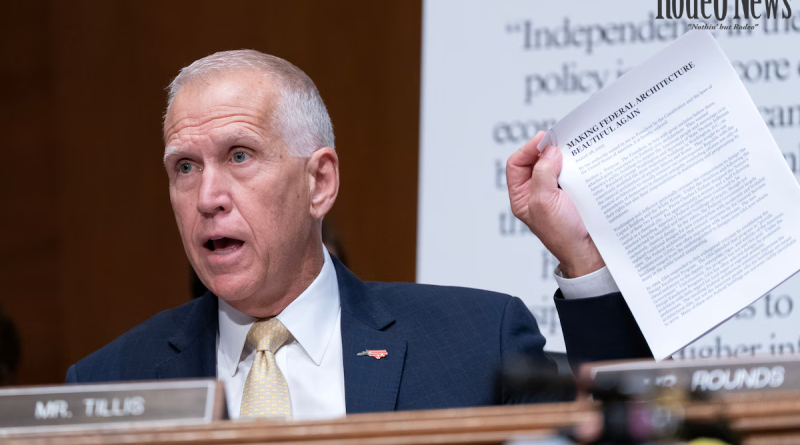
In a pivotal development, Republican Senator Thom Tillis announced he would support advancing Warsh’s confirmation. This move comes after the U.S. Department of Justice dropped its investigation into current Federal Reserve Chair Jerome Powell, removing a critical obstacle that had delayed the process.
With Powell’s term set to expire soon, the timing of this decision adds urgency to what is already one of the most consequential economic appointments in recent years.
Kevin Warsh Fed Nomination Gains Momentum
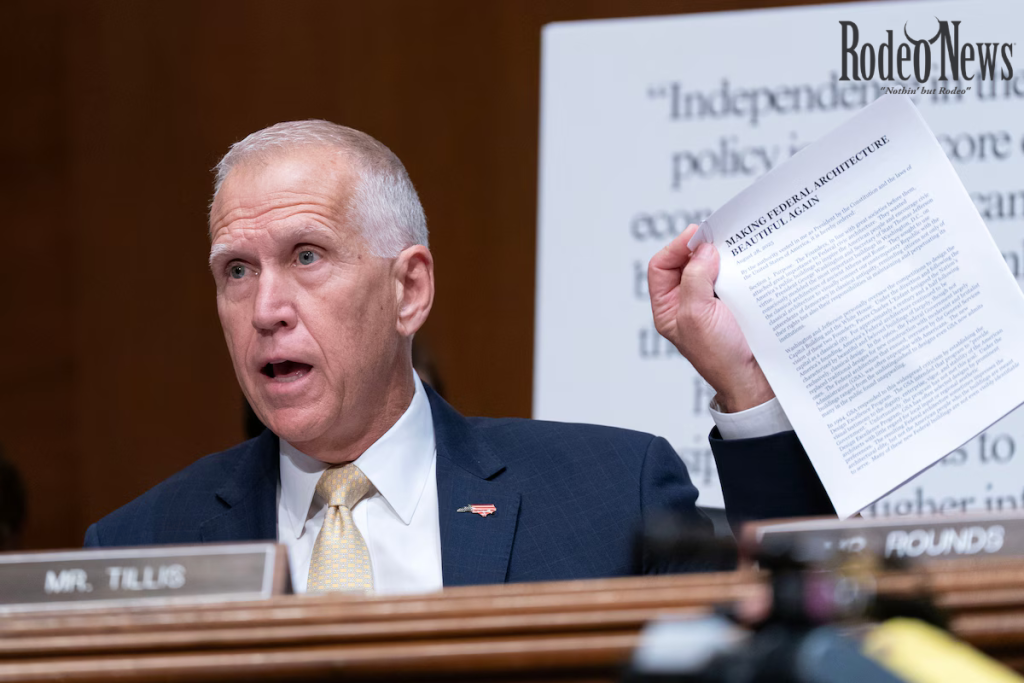
The Kevin Warsh Fed nomination had faced weeks of uncertainty due to political tensions surrounding the Federal Reserve’s independence. Senator Tillis had previously blocked the nomination, citing concerns that the Justice Department’s probe into Powell could be used as political leverage.
However, once the investigation was officially closed, Tillis reversed his stance. He stated that his concerns about undue political pressure had been addressed, clearing the way for the Senate Banking Committee to proceed with a vote.
This shift effectively removes one of the biggest barriers to Warsh’s confirmation and signals growing Republican unity behind the nominee.
Why the Powell Investigation Mattered
At the center of the controversy was a federal investigation into Jerome Powell related to a $2.5 billion renovation of the Federal Reserve’s headquarters. Critics argued that the probe risked undermining the central bank’s independence.
The Justice Department ultimately dropped the case, with officials noting it could be reopened if new evidence emerges.
For many lawmakers, including Tillis, the closure of the investigation was essential before moving forward with any new leadership at the Fed. The concern was clear: confirming a new chair while the current one was under investigation could set a dangerous precedent for political interference.
Senate Battle Lines: Support and Opposition
Despite Republican momentum, the Kevin Warsh Fed nomination still faces strong opposition from Democrats. Senator Elizabeth Warren and others have raised concerns about political influence over the Federal Reserve.
Democrats argue that the broader context—including pressure from former President Donald Trump for lower interest rates—could compromise the central bank’s independence.
Meanwhile, Warsh has attempted to reassure lawmakers. During his confirmation process, he emphasized that he would operate independently and would not be influenced by political pressure.
This divide sets the stage for a contentious Senate vote, even as Republicans hold a narrow majority on the committee responsible for advancing the nomination.
Who Is Kevin Warsh?
Kevin Warsh is not new to the Federal Reserve. He previously served as a member of the Fed’s Board of Governors from 2006 to 2011, playing a role during the global financial crisis.
Since leaving the Fed, Warsh has built a career in finance and academia, including roles in investment firms and policy institutions. His experience has made him a prominent figure in economic policy circles.
However, his nomination has also drawn scrutiny. Financial disclosures reveal that Warsh holds substantial wealth and investments, raising questions among critics about potential conflicts of interest.
Despite this, supporters argue that his deep understanding of financial markets makes him well-suited to lead the central bank during a complex economic period.
What Happens Next?
With Tillis now backing the nomination, the Senate Banking Committee is expected to vote on Warsh’s confirmation soon. If approved, the nomination will move to the full Senate for a final vote.
Timing is critical. Jerome Powell’s term is scheduled to end on May 15, leaving little room for delays.
If confirmed, Warsh would take over at a moment when the Federal Reserve faces multiple challenges, including inflation management, interest rate decisions, and maintaining credibility in global markets.
5 Key Takeaways From the Kevin Warsh Fed Developments
1. Tillis Removes Major Roadblock
Senator Thom Tillis’ decision to support Warsh clears a significant political hurdle.
2. DOJ Ends Powell Investigation
The closure of the probe into Jerome Powell played a decisive role in shifting Senate dynamics.
3. Fed Independence Remains Central Issue
Both Republicans and Democrats continue to debate how to protect the central bank from political influence.
4. Senate Vote Expected Soon
The nomination is moving quickly through the Senate Banking Committee.
5. High-Stakes Leadership Transition
With Powell’s term ending soon, the Federal Reserve could see a rapid change in leadership.
Economic Implications of a Warsh-Led Fed
If confirmed, Warsh is expected to bring a different approach to monetary policy. Analysts suggest he may favor structural changes to how the Fed operates, including revisiting its inflation strategy and regulatory role.
Some reports indicate that Warsh could advocate for closer coordination between the Federal Reserve and other government entities, a move that could reshape how economic policy is implemented.
However, such changes could also raise concerns about maintaining the Fed’s traditional independence—a cornerstone of its credibility.
Political Pressure and the Fed’s Future
The Kevin Warsh Fed nomination highlights a broader issue: the increasing intersection of politics and central banking.
Recent tensions, including public criticism of the Fed by political leaders, have intensified debates about the institution’s autonomy. Warsh’s ability to navigate these pressures will be closely watched if he is confirmed.
His repeated commitment to independence will likely be tested early in his tenure, particularly in decisions related to interest rates and inflation.
Conclusion
The Kevin Warsh Fed nomination has reached a turning point. With Senator Thom Tillis now supporting the move and the Justice Department’s investigation into Jerome Powell closed, the path to confirmation appears clearer than ever.
However, significant questions remain about the future direction of the Federal Reserve and its independence in an increasingly political environment.
As the Senate prepares to vote, the outcome will not only determine the next Fed chair but also shape the trajectory of U.S. economic policy at a critical moment.