Backyard Chickens Spread Salmonella: 5 Shocking Facts
Introduction
A growing health concern is emerging across the United States as backyard chickens salmonella infections surge, raising alarm among public health officials. According to recent warnings from the Centers for Disease Control and Prevention (CDC), a multistate outbreak tied to backyard poultry is not only spreading—but also showing resistance to commonly used antibiotics.
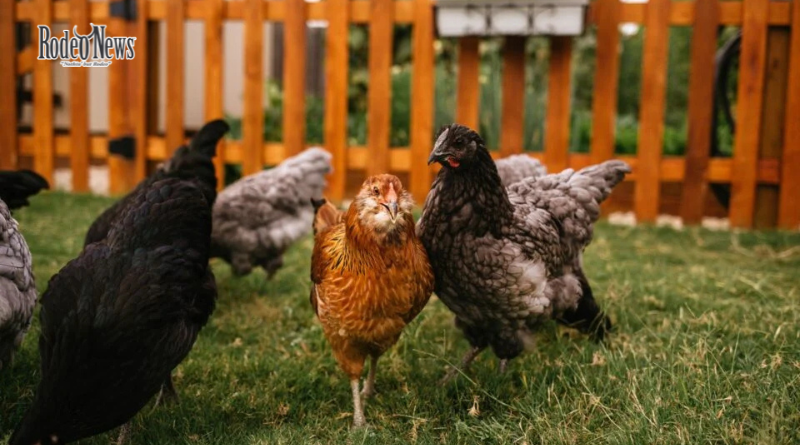
While raising chickens at home has become increasingly popular for fresh eggs and sustainable living, experts now warn that this trend may come with serious health risks.
A Nationwide Outbreak Raises Concern
The CDC has confirmed that dozens of people across multiple states have been infected with salmonella linked to backyard poultry. At least 34 cases have already been reported, with several hospitalizations.
Even more concerning, some of these infections involve strains resistant to antibiotics, making treatment more difficult and potentially more dangerous.
Health officials emphasize that this is not an isolated incident. Similar outbreaks have occurred in previous years, but the emergence of drug-resistant bacteria marks a troubling escalation.
What Makes This Outbreak Different?
Unlike typical foodborne illnesses, this outbreak highlights a more complex and dangerous issue: antibiotic resistance.
In several reported cases, the salmonella bacteria have shown resistance to multiple antibiotics, limiting treatment options for patients.
Antibiotic resistance is considered one of the biggest global health threats today. When bacteria evolve to survive medications, infections become harder to treat, leading to longer illnesses, higher medical costs, and increased mortality risk.
How Backyard Chickens Spread Salmonella
Many people assume that healthy-looking chickens are safe. However, experts say that poultry can carry salmonella bacteria without showing any symptoms.
According to the CDC:
- Chickens, ducks, and other poultry can carry salmonella naturally
- The bacteria can spread through feathers, droppings, and surfaces
- Humans become infected by touching contaminated areas and then touching their mouth
Even simple activities like collecting eggs or cleaning a coop can expose individuals to harmful bacteria.
Why Children Are at Higher Risk
One of the most alarming aspects of the backyard chickens salmonella outbreak is its impact on children.
Data shows that a significant portion of cases involve children under the age of five.
Young children are more vulnerable because:
- Their immune systems are still developing
- They are more likely to put their hands in their mouths
- They may have closer contact with animals
Health experts strongly advise parents to supervise children around backyard poultry and enforce strict hygiene practices.
The Hidden Danger of Antibiotic Resistance
Antibiotic-resistant infections are not just harder to treat—they can spread more easily within communities.
Research shows that a large percentage of salmonella strains found in poultry are resistant to at least one antibiotic, and many are resistant to multiple drugs.
This means:
- Standard treatments may fail
- Patients may require stronger, more expensive medications
- Recovery times may be longer
In severe cases, resistant infections can lead to life-threatening complications.
CDC Safety Guidelines for Poultry Owners
To reduce the risk of infection, the CDC has issued clear safety recommendations for anyone raising backyard chickens:
1. Wash Hands Thoroughly
Always wash hands with soap and water after touching poultry or anything in their environment.
2. Avoid Close Contact
Do not kiss, cuddle, or bring chickens inside the home.
3. Keep Equipment Outdoors
Items like feed containers, shoes, and cleaning tools should remain outside.
4. Supervise Children
Ensure kids do not handle poultry without proper hygiene afterward.
These simple steps can significantly reduce the risk of infection.
Why Backyard Farming Is Still Growing
Despite the risks, backyard poultry farming continues to grow in popularity.
Several factors contribute to this trend:
- Desire for organic, home-produced food
- Rising grocery prices
- Increased interest in sustainable living
However, experts warn that enthusiasm must be balanced with proper education and safety practices.
The Bigger Public Health Picture
Salmonella is already one of the leading causes of foodborne illness in the United States, responsible for roughly 1 million infections annually.
The addition of antibiotic-resistant strains makes the situation more urgent.
Public health officials are now focusing on:
- Monitoring outbreaks more closely
- Educating backyard poultry owners
- Improving sanitation practices in poultry supply chains
What This Means for the Future
The backyard chickens salmonella outbreak is a clear reminder that even small-scale farming can have large-scale health consequences.
As antibiotic resistance continues to rise, experts say prevention will be more important than ever.
This includes:
- Better hygiene practices
- Responsible antibiotic use in agriculture
- Increased public awareness
Without these measures, similar outbreaks could become more frequent and more dangerous.
Conclusion
The CDC’s warning about backyard chickens spreading antibiotic-resistant salmonella highlights a growing and serious public health issue.
While raising chickens at home offers many benefits, it also comes with risks that cannot be ignored. By understanding how infections spread and following proper safety guidelines, individuals can protect themselves and their families.
Ultimately, the rise of drug-resistant bacteria serves as a wake-up call—not just for poultry owners, but for society as a whole.