
French Film ‘Auction’ Revisits the Thrilling Tussle Over a Nazi-Looted Masterpiece
In U.S. Theaters from October 29, the New French Feature Unveils a $21 Million Story of Lost Art and Historical Reconciliation
A Forgotten Masterpiece, A Modern Reminder
When filmmaker Pascal Bonitzer first heard the true story of a long-lost Egon Schiele painting turning up in a French factory worker’s home, he saw more than a mystery — he saw a metaphor. His latest film, Auction, opening in U.S. theaters on October 29, turns the rediscovery of a Nazi-looted masterpiece into a reflection on renewal, ethics, and sustainability — not just in art, but in the way we preserve the past.
Set in the industrial town of Mulhouse, France, Auction begins with a scene of everyday life: beer, cigarettes, a card game — and a forgotten painting of dead sunflowers on the wall. That withered image soon reveals itself as a masterpiece by Austrian Expressionist Egon Schiele, missing since 1939.
Schiele’s sunflowers, lifeless and decaying, embody a world stripped of color and compassion — an apt symbol for an era ravaged by war and greed. But they also echo today’s environmental anxieties: the loss of beauty, the cost of neglect, and the question of what humanity chooses to restore.
Art, Ethics, and Environmental Responsibility
Directed by the veteran Jewish filmmaker Pascal Bonitzer, Auction is more than a crime drama. It’s a meditation on what it means to restore what’s been lost — whether it’s stolen art, ecological balance, or collective memory.
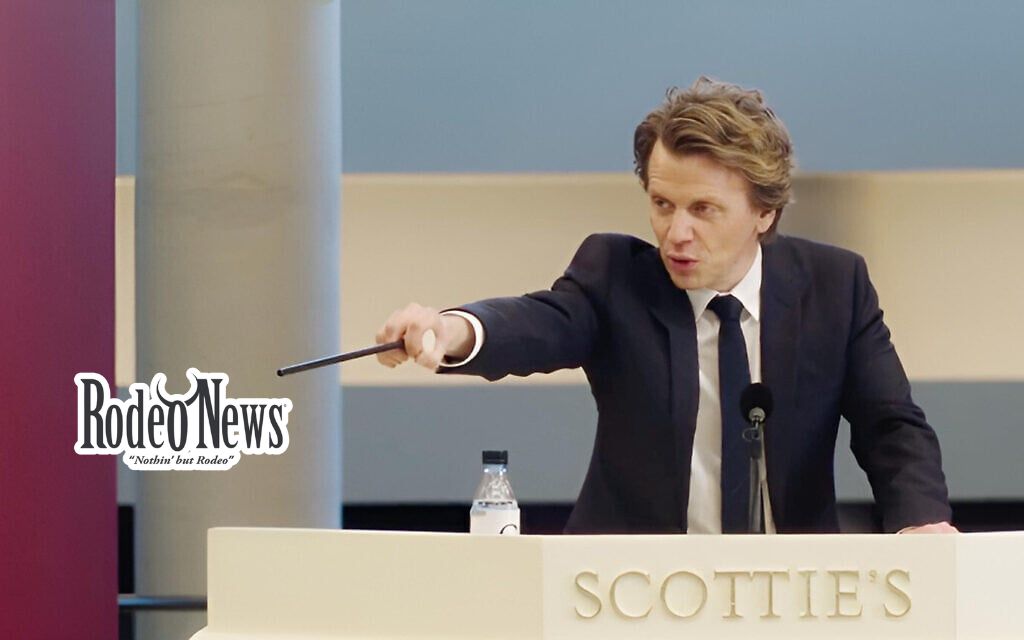
In the film, André Masson (played by Alex Lutz), an art expert for a Paris auction house, is called to verify the painting’s authenticity. When he arrives with his ex-wife and fellow appraiser Bertina (Lea Drucker), they confirm that it’s an original Schiele — painted as an homage to van Gogh’s sunflowers, yet rendered dead and brittle, a portrait of postwar decay.
Their discovery sets off not only a legal and ethical battle over ownership but also a deeper discussion about how societies restore what’s been damaged. Bonitzer weaves a quiet environmental undertone throughout the narrative: the act of restoration as an act of healing, whether it’s a painting, a forest, or a fractured history.
The Green Ethics of Art Restitution
Martin Keller, the factory worker who finds the painting, becomes the film’s moral compass. He wants no money, no reward — only peace of conscience. “I don’t want any blood on my hands,” he says, refusing to profit from what he now knows was stolen during one of humanity’s darkest periods.
His choice mirrors the growing movement for ethical consumption and cultural sustainability — the idea that value is not only measured in money but also in moral integrity. Just as eco-conscious consumers reject products tainted by exploitation, Martin refuses to benefit from a painting tied to wartime looting.
This ethical lens extends to the art world itself. Bonitzer criticizes the reluctance of major museums to return stolen works, likening it to industries slow to admit environmental harm. “They haven’t been particularly cooperative,” Bonitzer told The Times of Israel. “To this day, art stolen by the Nazis is still being found.”
Restoration as Renewal
In a pivotal scene, experts debate whether Schiele’s painting should be restored to its “original” condition or left as it is — weathered, cracked, and aged by time. Bonitzer presents this as a metaphor for the balance between preservation and authenticity — a question familiar to environmentalists: when do we intervene, and when do we let nature heal itself?
The film’s intern, Aurore (Louise Chevillotte), embodies that inner conflict. Troubled and impulsive, she storms out of her job, only to later find purpose in defending the painting’s rightful place. Her arc becomes one of redemption through care — mirroring humanity’s struggle to repair what’s been broken, from cultural heritage to natural ecosystems.
A Message for a Wounded Planet
Auction is not a “green movie” in the literal sense, but it resonates deeply with themes of renewal, stewardship, and accountability. Its dead sunflowers speak to the cost of destruction — of art, of people, of nature — and the moral duty to restore what has been lost.
By the time the film concludes with the painting’s sale for $21.6 million, Bonitzer has guided viewers through a powerful allegory: true restoration isn’t just about wealth or ownership, but about reconnection and respect. The same ethos that drives green innovation — sustainable choices, ethical responsibility, long-term thinking — finds its cinematic counterpart in Bonitzer’s story of rediscovery.
Conclusion: The Art of Sustainability
Through the lens of a stolen painting, Auction reveals how art and environmentalism intersect — both demanding care, ethics, and respect for history. The film’s slow-burn narrative reminds audiences that sustainability is not only about the planet’s future but also about how we treat the past.
In the end, Auction is a call to action — to preserve, restore, and protect what’s worth keeping, whether it hangs on a museum wall or blooms again in a greener world.