
The US retail sales surge in March 2026 surprised economists, rising sharply by 1.7% and marking the strongest monthly gain in over a year. However, behind this impressive growth lies a concerning driver—soaring gasoline prices fueled by global geopolitical tensions.
While the headline number signals strong consumer activity, deeper analysis reveals a more complex and potentially fragile economic picture.
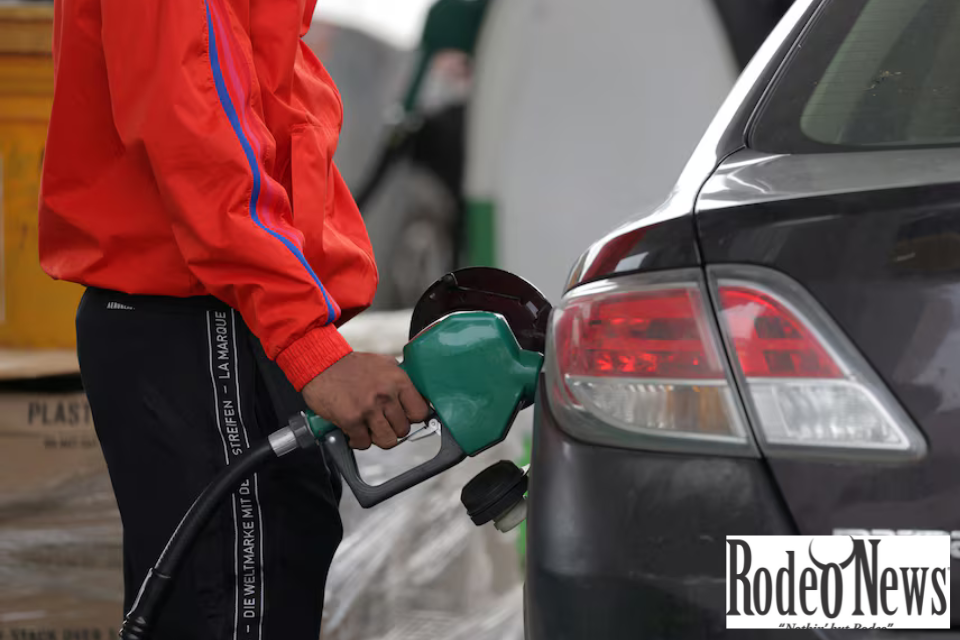
Gasoline Prices Drive the US Retail Sales Surge
The primary force behind the US retail sales surge was a dramatic increase in gasoline prices. Sales at gas stations jumped by an extraordinary 15.5%, the largest increase in decades.
This spike came as global oil prices surged more than 30% following escalating conflict involving Iran, which disrupted supply chains and pushed fuel costs higher worldwide.
As a result, Americans spent significantly more at the pump. However, this does not necessarily reflect increased consumption—rather, it shows consumers paying more for the same amount of fuel.
In economic terms, rising fuel costs act like a hidden tax, reducing disposable income for other purchases.
Strong Growth Masks Underlying Weakness
At first glance, the US retail sales surge suggests a resilient economy. But when gasoline sales are excluded, retail growth was far more modest—just 0.6%.
This indicates that much of the increase was price-driven rather than demand-driven.
Other sectors showed mixed performance:
- Electronics and appliance sales rose modestly
- Furniture sales rebounded
- Online retail saw steady growth
- Restaurant spending barely increased by 0.1%
The weak performance in dining and discretionary categories suggests consumers are beginning to cut back.
Tax Refunds Helped Support Spending
Another factor contributing to the US retail sales surge was higher tax refunds. Many households received larger refunds compared to previous years, giving them temporary financial flexibility.
This influx of cash helped sustain spending across multiple categories, including:
- General merchandise
- Health and personal care
- Food and beverage stores
However, economists caution that this support is temporary. Once the effect of tax refunds fades, consumer spending could slow significantly.
Inflation Pressures Continue to Rise
The surge in retail sales comes amid rising inflation, largely driven by energy costs. Gasoline prices increased sharply in March, contributing to broader price pressures across the economy.
Higher transportation costs often ripple through supply chains, making goods more expensive. This can reduce purchasing power and dampen demand over time.
In fact, inflation reached one of its highest levels in recent years, intensifying concerns about the sustainability of consumer spending.
Consumer Sentiment Hits Record Lows
Despite the US retail sales surge, consumer confidence has taken a hit. Surveys show sentiment dropping to record lows as households grapple with rising costs and economic uncertainty.
Key concerns among consumers include:
- High fuel prices
- Slowing wage growth
- Increased cost of living
This disconnect between spending and sentiment suggests that consumers may be relying on savings or short-term income boosts rather than long-term financial stability.
Are Americans Spending Beyond Their Means?
Economists warn that the current US retail sales surge may not be sustainable. Many households are reportedly dipping into savings to maintain spending levels.
At the same time, wage growth has slowed, limiting the ability of consumers to keep up with rising costs.
This creates a risky dynamic:
- Higher expenses (fuel, goods)
- Slower income growth
- Increased reliance on savings
Over time, this could lead to a pullback in consumer activity—one of the key drivers of the US economy.
Impact on Economic Growth (GDP Outlook)
The strong retail data has led some analysts to revise their GDP forecasts upward for the first quarter of 2026.
- Core retail sales (which feed into GDP) rose 0.7%
- Some forecasts now expect growth above 3%
This suggests the economy may perform better than expected in the short term.
However, economists emphasize that this momentum could fade quickly if fuel prices remain high and consumer spending weakens.
The “Gas Price Tax” Effect Explained
The concept of fuel costs acting as a “tax” on consumers is central to understanding the US retail sales surge.
When gasoline prices rise:
- Consumers spend more on essentials
- Less money is available for discretionary purchases
- Demand shifts toward necessities
This phenomenon often leads to reduced spending in sectors like:
- Travel and entertainment
- Dining out
- Retail goods
Over time, this can slow overall economic growth.
Geopolitical Tensions Behind the Surge
The spike in gasoline prices—and by extension, the US retail sales surge—can be traced back to geopolitical instability.
The ongoing conflict involving Iran has disrupted oil supplies, particularly through key shipping routes like the Strait of Hormuz.
This has caused:
- Sharp increases in global oil prices
- Rising fuel costs in the US
- Increased volatility in energy markets
As long as these tensions persist, energy prices are likely to remain elevated, continuing to influence consumer behavior.
What Happens Next?
Looking ahead, economists expect the US retail sales surge to slow in the coming months.
Several factors could contribute to this:
- Persistent high gasoline prices
- Declining savings levels
- Weak consumer confidence
- Slower wage growth
Additionally, early signs of reduced discretionary spending suggest that consumers are already adjusting their behavior.
Key Takeaways
The March data highlights a critical reality:
- Retail sales are rising—but for the wrong reasons
- Growth is driven by higher prices, not stronger demand
- Consumers are under increasing financial pressure
While the US retail sales surge may boost short-term economic indicators, it also raises concerns about long-term sustainability.
Conclusion
The US retail sales surge in March 2026 paints a mixed picture of the American economy. On the surface, strong spending suggests resilience. But beneath it lies a more troubling story of rising costs, strained households, and uncertain future growth.
As fuel prices continue to climb and economic pressures mount, the coming months will be crucial in determining whether this surge represents genuine strength—or a temporary spike before a slowdown.