Iran War Update: Shocking Turn as US Jets Downed
The latest Iran war update has taken a dramatic turn, as reports confirm that multiple United States military aircraft have been shot down during ongoing combat operations over Iranian territory. The development marks one of the most significant escalations in the conflict so far and raises serious questions about control of the skies in a war that has already destabilized the Middle East.
According to multiple verified reports, at least one US F-15 fighter jet was downed over Iran, while another aircraft sustained heavy damage during rescue operations.
This incident has intensified global concern, as the conflict between the United States, Iran, and allied forces enters a dangerous new phase.
US Fighter Jets Downed Over Iran
In a major blow to US military operations, Iran claims it successfully shot down two American warplanes. One of them, an F-15E fighter jet, crashed inside Iranian territory, prompting an urgent search-and-rescue mission.
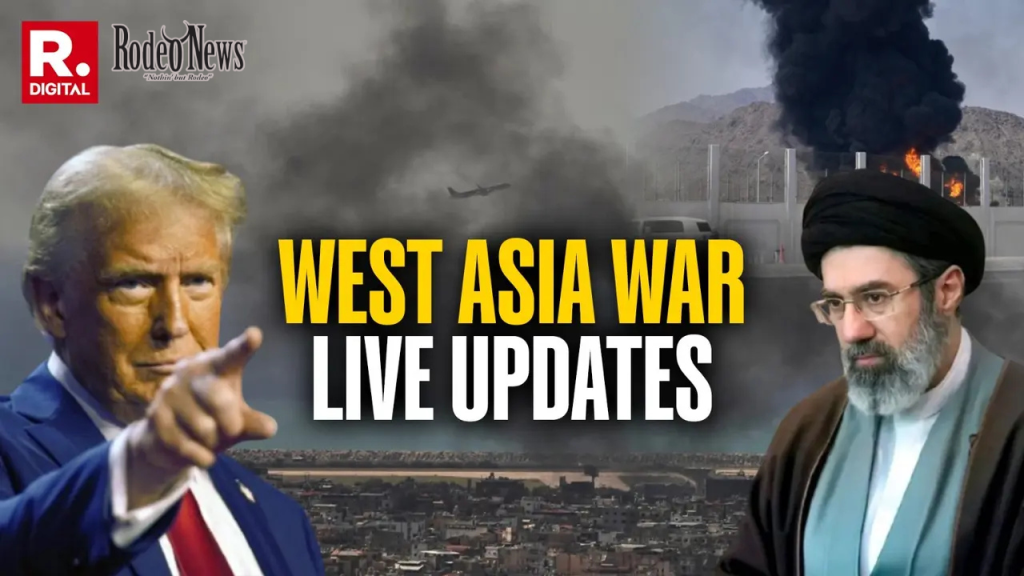
US officials confirmed that one crew member has been rescued, while another remains missing, sparking a high-risk recovery effort involving helicopters and additional aircraft. member has been rescued, while another remains missing, sparking a high-risk recovery effort involving helicopters and a
Meanwhile, another US aircraft—an A-10 attack jet—was also hit during the rescue mission. The pilot managed to eject and was later recovered, but the aircraft was lost.
These events highlight the growing vulnerability of US forces in contested airspace, contradicting earlier claims of air superiority.
Trump Responds as Conflict Intensifies
Former President Donald Trump addressed the situation, downplaying the impact of the downed jet on broader US strategy. In remarks to media, he stated that such losses are part of wartime realities and would not derail ongoing operations or negotiations.
However, the incident has triggered political backlash in Washington. Critics argue that the administration may have underestimated Iran’s defensive capabilities and the risks of prolonged military engagement.
At the same time, Trump has signaled a more aggressive stance, hinting at further strikes targeting Iranian infrastructure, including energy facilities and strategic routes.
Iran’s Military Capabilities Raise Concerns
This Iran war update has exposed a critical reality: Iran still possesses significant defensive capabilities despite weeks of sustained airstrikes.
Military analysts suggest that portable air defense systems and mobile missile units are likely responsible for the successful targeting of US aircraft. These systems are notoriously difficult to detect and neutralize, especially in complex terrain.
The downing of multiple aircraft has challenged earlier claims that Iran’s air defenses had been largely neutralized.
Experts now warn that US and allied forces may face increasing risks as the conflict drags on.
Search for Missing US Pilot Intensifies
One of the most urgent developments in this Iran war update is the ongoing search for a missing US pilot believed to be inside Iranian territory.
Both US and Iranian forces are reportedly racing to locate the pilot, raising fears of a potential international incident if the individual is captured.
Iranian state media has already shown interest in the pilot’s whereabouts, further heightening tensions.
Rescue missions have proven extremely dangerous, with helicopters involved in recovery efforts reportedly coming under fire.
The situation remains fluid, with no confirmed outcome at the time of writing.
Wider Regional Impact and Escalation
The consequences of the Iran war are being felt far beyond the battlefield. The Strait of Hormuz—a critical global oil route—has become a focal point of tension, with shipping activity heavily disrupted.
Energy markets are reacting sharply, as fears grow over potential supply shortages. European officials have already begun discussing emergency measures to stabilize fuel prices and prevent economic fallout.
Meanwhile, Israeli airstrikes continue across Iran and neighboring regions, including Lebanon, targeting allied militant groups such as Hezbollah.
The conflict is no longer contained—it is evolving into a broader regional crisis.
Humanitarian Crisis Deepens
Beyond military developments, this Iran war update also highlights a worsening humanitarian situation.
Reports indicate massive displacement across affected regions, with over a million children forced from their homes. Civilian infrastructure—including schools and residential areas—has been severely impacted.
In one particularly devastating incident, a strike reportedly killed more than 160 children in Iran, drawing international condemnation.
Aid organizations warn that the humanitarian toll could escalate further if the conflict continues at its current intensity.
Diplomatic Efforts and Uncertain Peace Talks
Despite the escalating violence, there are still signs—however fragile—of potential diplomatic engagement.
Iran has indicated a conditional openness to peace talks, with mediation efforts reportedly involving Pakistan. However, major disagreements remain, particularly over the terms of any ceasefire.
The United States, meanwhile, continues to pursue military objectives while leaving the door open for indirect negotiations.
The challenge lies in balancing military pressure with diplomatic pathways—an increasingly difficult task as casualties mount and tensions rise.
Global Reactions and Political Pressure
The war has triggered widespread global reactions, from diplomatic appeals to public protests.
Governments across Europe and Asia are calling for de-escalation, while anti-war demonstrations have erupted in multiple countries.
Within the United States, political divisions are growing. Some lawmakers are questioning the legality of the conflict, particularly in the absence of formal congressional authorization.
At the same time, public opinion appears increasingly divided, with concerns over both national security and the human cost of the war.
What Comes Next?
This Iran war update signals a critical turning point in the conflict.
The downing of US aircraft has shattered assumptions about battlefield dominance and exposed the risks of further escalation. With a missing pilot, rising casualties, and expanding regional involvement, the situation is becoming more volatile by the day.
Key questions remain:
- Will the US intensify its military campaign?
- Can diplomatic efforts gain traction before the conflict spreads further?
- What impact will this have on global energy markets and economic stability?
For now, the world watches closely as events continue to unfold in one of the most dangerous geopolitical crises in recent years.