Hungary Iran Intelligence: 5 Shocking Revelations
The phrase Hungary Iran intelligence has rapidly become a focal point in global geopolitics after a controversial report suggested that Hungary offered intelligence cooperation to Iran following a covert attack targeting Hezbollah.
The allegations, first reported by The Times of Israel, have raised serious questions about diplomatic alignment, intelligence-sharing norms, and the fragile balance of power in the Middle East. At the center of the controversy is a sophisticated operation involving exploding communication devices used by Hezbollah operatives—an attack widely attributed to Israel.
This article breaks down the five most important revelations, explains what they mean, and explores the broader geopolitical consequences.
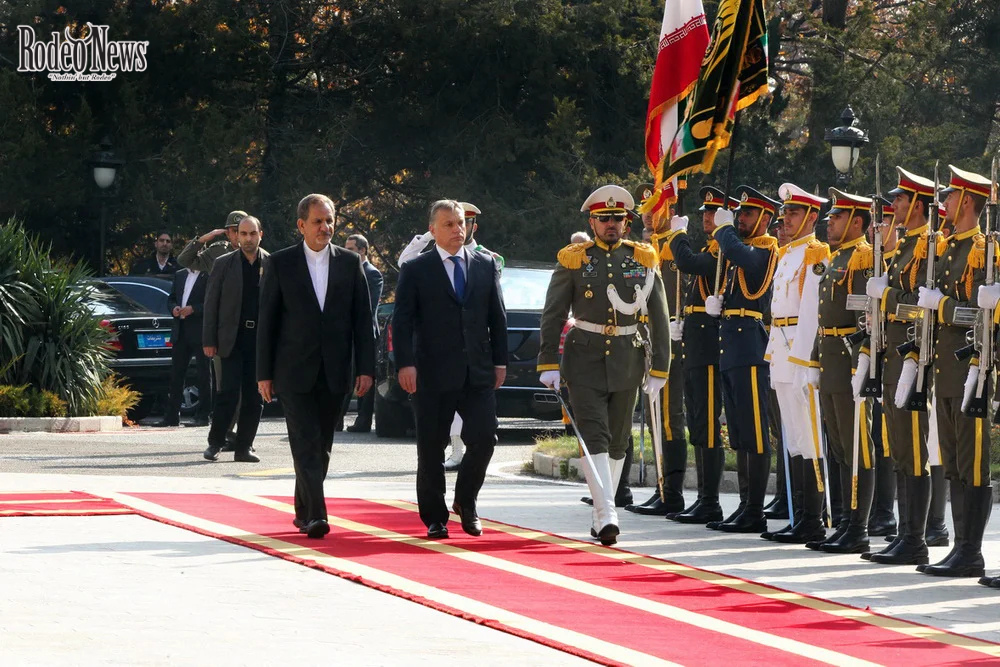
What Is the Hungary Iran Intelligence Controversy?
The controversy revolves around claims that officials from Hungary offered to share intelligence findings with Iran after a coordinated attack involving pagers used by Hezbollah members.
The alleged communication reportedly involved Hungary’s foreign minister Péter Szijjártó and Iran’s top diplomat Abbas Araghchi.
According to the report:
- Hungary’s intelligence services initiated contact with Iran
- Budapest allegedly promised to share investigation documents
- Iran welcomed the cooperation
At the same time, Hungary publicly denied any involvement in the attack itself.
1. The Pager Attack That Triggered Everything
The first key element in the Hungary Iran intelligence issue is the attack itself.
In September 2024, thousands of Hezbollah-linked communication devices—mainly pagers—exploded almost simultaneously across Lebanon and nearby regions. The devices had reportedly been distributed among operatives of Hezbollah.
The consequences were severe:
- Thousands injured
- Widespread panic among militant networks
- A major disruption in Hezbollah’s communication systems
Security analysts believe the operation was likely carried out by Mossad, although Israel has not officially confirmed responsibility.
The scale and precision of the attack suggest years of planning, infiltration, and intelligence gathering.
2. Hungary’s Alleged Intelligence Offer to Iran
The second revelation is the most controversial.
According to the report, Hungary offered to assist Iran by sharing intelligence related to the pager explosions. The alleged statement from Hungarian officials indicated willingness to provide “every possible document” connected to the investigation.
This is significant because:
- Iran is a key backer of Hezbollah
- Any intelligence could help Iran understand the attack
- It could potentially weaken Israeli intelligence advantages
The interaction suggests a level of cooperation that contradicts Hungary’s traditional alignment with Western allies.
3. Hungary’s Strong Denial of Involvement
Despite the intelligence-sharing claims, Hungary has firmly denied any role in the attack.
Foreign Minister Péter Szijjártó emphasized:
- The pagers were not manufactured in Hungary
- No Hungarian companies were involved
- Hungary had no operational role in the incident
This dual stance—denying involvement while allegedly offering intelligence—has created confusion and skepticism among international observers.
4. A Foreign Policy Contradiction
The fourth revelation highlights a deeper issue: Hungary’s complex and sometimes contradictory foreign policy.
Under Prime Minister Viktor Orbán, Hungary has:
- Maintained strong ties with Israel
- Stayed aligned with NATO and the European Union
- Developed pragmatic relationships with countries like Iran and Russia
This balancing act is now under scrutiny.
If Hungary did offer intelligence cooperation to Iran, it raises difficult questions:
- Is Hungary shifting its geopolitical alignment?
- Can it maintain trust within NATO?
- How will Israel respond to such actions?
The situation illustrates the growing complexity of international diplomacy in a multipolar world.
5. Rising Middle East Tensions in 2026
The final revelation ties the controversy to broader regional instability.
The Hungary Iran intelligence story is unfolding at a time of heightened tensions involving:
- Israel and Hezbollah
- Israel and Iran
- Ongoing proxy conflicts across the Middle East
The pager attack itself is seen as part of a larger shadow war between Israel and Iran. These conflicts often involve:
- Cyber operations
- Covert intelligence missions
- Targeted sabotage
Any additional intelligence sharing—especially involving a European country—adds another layer of complexity.
Why This Matters Globally
Intelligence Sharing Risks
Intelligence is one of the most sensitive assets in global politics. Sharing it—even partially—can:
- Reveal investigative methods
- Expose sources
- Shift strategic advantages
If Hungary shared intelligence with Iran, it could indirectly impact Israel’s security operations.
NATO and EU Implications
Hungary is a member of both NATO and the European Union. These alliances rely heavily on trust and coordinated security policies.
Potential consequences include:
- Increased scrutiny from allies
- Diplomatic pressure
- Questions about intelligence security within the alliance
Impact on Israel Relations
Israel has maintained relatively strong ties with Hungary in recent years.
However, the alleged intelligence cooperation with Iran could:
- Strain diplomatic relations
- Reduce intelligence sharing between Israel and Hungary
- Trigger broader political fallout
The Role of Covert Operations
The pager attack highlights the evolving nature of modern warfare.
Instead of traditional battles, countries increasingly rely on:
- Covert sabotage
- Cyber warfare
- Intelligence-driven strikes
Operations like this are designed to:
- Disrupt enemy networks
- Avoid full-scale war
- Maintain plausible deniability
However, when other countries become involved—even indirectly—the risks escalate.
Media and Information Warfare
Another important angle is how information about such operations spreads.
Reports like the one from The Times of Israel rely on:
- Leaked documents
- Anonymous sources
- Intelligence assessments
This means:
- Some details may remain unverified
- Governments may deny or downplay involvement
- Competing narratives may emerge
As a result, the truth often lies somewhere between official statements and investigative reporting.
What Happens Next?
The Hungary Iran intelligence controversy is still developing. Several possible outcomes could shape the next phase:
1. Diplomatic Clarifications
Hungary may provide further explanations to NATO and EU partners to ease concerns.
2. Israeli Response
Israel could reassess its diplomatic and intelligence relationship with Hungary.
3. Increased Monitoring
Western allies may increase scrutiny of intelligence-sharing practices within their networks.
4. Escalation Risks
If tensions continue to rise in the Middle East, incidents like the pager attack could lead to broader conflict.
Conclusion
The Hungary Iran intelligence story is more than just a diplomatic controversy—it is a window into the complex, often hidden world of modern geopolitics.
From a sophisticated attack on Hezbollah to alleged intelligence cooperation between unlikely partners, the situation highlights:
- The fragile nature of alliances
- The importance of intelligence in global security
- The growing complexity of international relations
While many details remain unconfirmed, one thing is clear: the intersection of intelligence, diplomacy, and conflict is becoming increasingly difficult to navigate.
As the situation evolves, the world will be watching closely to see how Hungary, Iran, Israel, and their allies respond.