Ford Ends Production of All-Electric F-150 Lightning, Shifts Focus to Hybrid and Smaller EVs
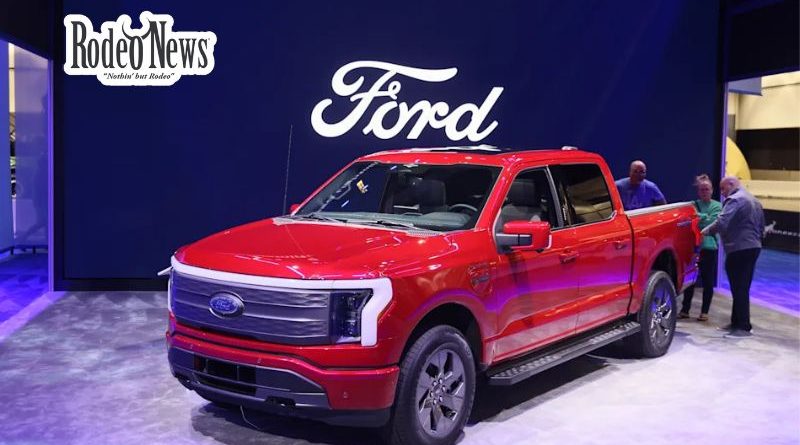
Ford Motor Company has made a strategic pivot, discontinuing its all-electric F-150 Lightning pickup truck in favor of hybrid models and a new line of smaller, more affordable electric vehicles (EVs). The company’s decision, which marks a significant shift in its electric vehicle strategy, stems from financial losses on the Lightning, consumer demand for more affordable EVs, and changes in federal policy.
A Bold Move with Serious Financial Implications
Announced with fanfare in 2021, the Ford F-150 Lightning was meant to be the flagship of the automaker’s electric future. Priced attractively at $40,000, the vehicle aimed to make a bold statement in the full-size electric pickup market. But despite receiving widespread accolades—winning accolades such as MotorTrend’s Truck of the Year in 2023 and Kelley Blue Book’s top pick for electric trucks in 2024—the Lightning never quite delivered on its promise in terms of profitability.
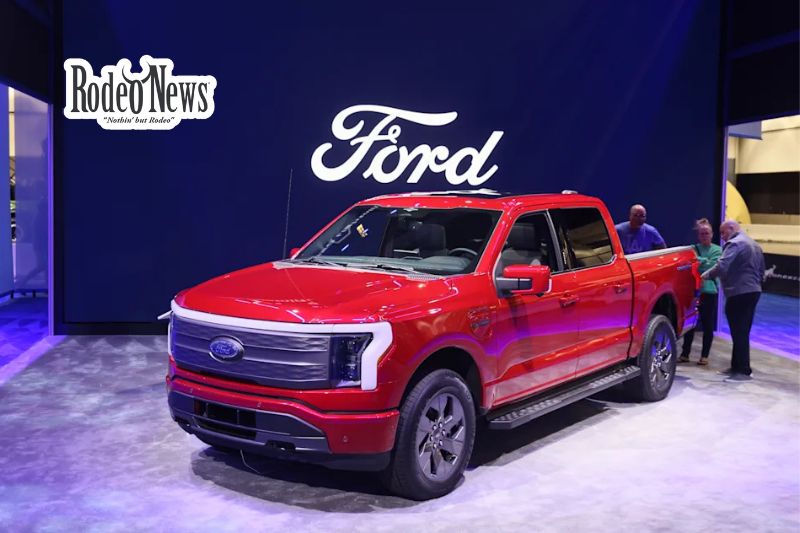
Ford, a brand long known for its rugged, gas-powered trucks, faced several challenges in making the all-electric F-150 Lightning a success. At $55,000, the production cost of the vehicle was far higher than the promised base price, leading to mounting losses. The company’s decision to pull the plug on the model, as part of a broader reallocation of resources, highlights the difficulties automakers face in trying to merge traditional truck values with electric technologies.
“The American consumer is speaking clearly, and they want the benefits of electrification—instant torque, mobile power, and sustainability,” said Andrew Frick, President of Ford Blue and Ford Model E. “But they also demand affordability. Rather than continuing to pour billions into a vehicle that lacks a clear path to profitability, we’re directing those funds into higher-return projects.”
The Road Ahead: A Shift Toward Hybrids and Smaller EVs
As Ford wraps up production on the Lightning, the company is placing its bets on a future filled with hybrid vehicles and smaller electric models. The automaker plans to release a new version of the F-150—a plug-in hybrid (PHEV)—with a gasoline engine functioning as a backup generator. This vehicle, Ford hopes, will offer the best of both worlds: the power and reliability of a traditional pickup with the added flexibility of electrification.
Meanwhile, Ford is working on more compact, affordable electric vehicles to cater to a growing market segment looking for budget-friendly options. One such vehicle is a new midsize electric pickup truck slated for release in the coming year. Ford is targeting a price point of around $30,000 for the new model, positioning it to compete with more affordable electric options, like the Chevrolet Silverado EV and the upcoming electric models from Rivian and Tesla.
This pivot is not without its costs. Ford will incur billions in write-offs and losses related to the discontinuation of the Lightning. However, the company’s leadership is optimistic that focusing on more cost-effective EVs will yield better returns in the long run.
The Lightning’s Legacy: A Struggle with Reliability and Towing Range
While the F-150 Lightning had its moments in the spotlight, it struggled to win over a key segment of truck enthusiasts: those who rely on their pickups for heavy-duty work. Despite its impressive specifications—instant torque, a fully electric powertrain, and various high-tech features—the Lightning was plagued by issues such as limited towing range and long recharging times. These shortcomings deterred many traditional truck buyers who expected their EVs to match the performance of gas-powered models.
Even as the Lightning achieved impressive sales in some quarters, the higher-than-expected price tag and the inability to meet the needs of heavy-duty truck users led to its eventual undoing. With so many alternatives on the market—ranging from more reliable gas-powered trucks to competitors like Rivian and Tesla—Ford realized that the full-size electric pickup market, at least for the time being, wasn’t quite as profitable as initially anticipated.
Policy Changes and Their Impact on Ford’s Strategy
Ford’s decision to cease production of the F-150 Lightning also comes in the wake of changing federal policies on electric vehicles. Under the previous administration, federal incentives and regulations were designed to push consumers and manufacturers toward electric vehicles. The $7,500 federal tax credit, which helped make EVs more affordable, has now been eliminated, leaving some consumers with fewer incentives to make the switch from gas to electric.
Moreover, the loosening of emissions and fuel economy standards under the current government has given automakers like Ford more flexibility to produce larger, more profitable gas- and diesel-powered vehicles without facing stringent regulatory penalties.
Andrew Frick acknowledged that the shift in policy was a factor in Ford’s decision. “Changes in the regulatory environment are part of the broader landscape that has influenced our decision to pivot away from the Lightning and focus on vehicles that are more aligned with customer needs and market realities.”
A New Direction: Batteries for the Grid, Not Just the Trucks
Ford’s pivot away from the all-electric F-150 Lightning also involves a significant shift in its battery production strategy. The company had previously invested heavily in building battery production plants to support its EV line, but with fewer electric trucks in the pipeline, those facilities are now being repurposed.
Ford has announced plans to revamp its Kentucky battery production site to produce batteries for stationary storage. These batteries will be used to help balance the electric grid, storing energy when renewable sources like wind and solar are abundant, and releasing it when demand spikes. This approach aligns with Ford’s broader sustainability goals and reflects a growing trend toward integrating electric vehicle technology with the power grid.
Conclusion: Ford’s Electric Future Is Still in Motion
The decision to end production of the F-150 Lightning marks a pivotal moment for Ford as it recalibrates its electric vehicle strategy. Despite the challenges faced with the Lightning, the company remains committed to electrification. By focusing on smaller, more affordable EVs and repurposing its battery infrastructure to support grid storage, Ford is positioning itself to lead in the next phase of the electric vehicle revolution.
While the full-size electric truck market may not yet be profitable for Ford, the company’s ongoing efforts in hybrid technology and compact EVs may just hold the key to its success in the years to come. As the automotive industry continues to evolve, Ford’s ability to adapt to changing consumer demands and regulatory landscapes will be crucial in maintaining its position as a leader in the future of mobility.