Elon Musk Trial Jury Bias Revealed: 7 Shocking Issues in Court
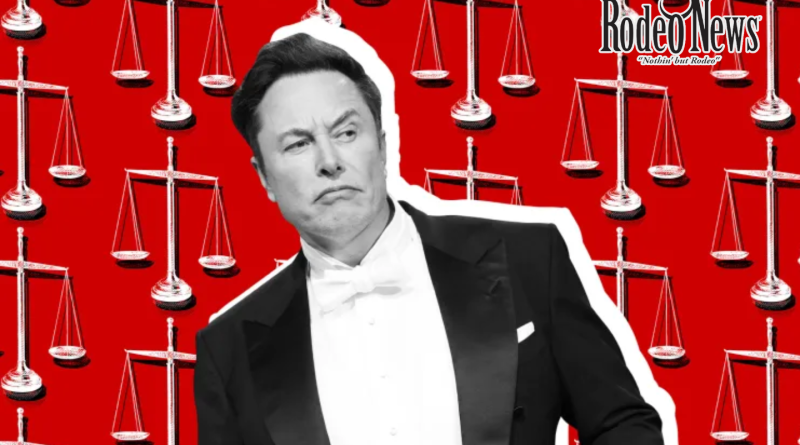
The ongoing Elon Musk trial jury bias controversy is quickly becoming one of the most talked-about developments in the high-profile legal battle surrounding OpenAI. As jury selection began, a surprising — yet telling — pattern emerged: many potential jurors already hold strong negative opinions about Elon Musk.
This revelation is raising serious questions about fairness, public perception, and whether one of the world’s most influential tech figures can receive an impartial trial. Meanwhile, the lawsuit itself, tied to the future direction of artificial intelligence, adds even more weight to the proceedings.
The Core Issue: Public Opinion Enters the Courtroom
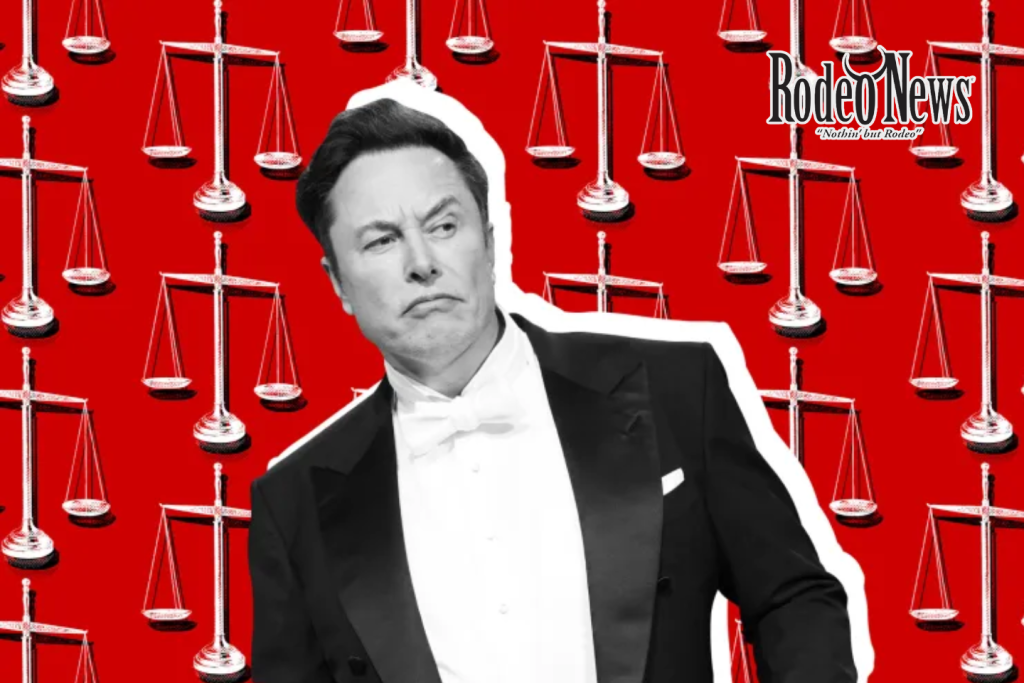
At the heart of the Elon Musk trial jury bias issue is a simple but powerful reality — Elon Musk is not just a businessman. He is a global public figure with a highly polarizing reputation.
During jury selection, several candidates openly expressed dislike for Musk. Some described him using harsh language, including calling him arrogant or self-serving. While such opinions are not unusual in public discourse, their presence inside a courtroom is far more problematic.
Courts rely on impartial juries. However, in cases involving celebrities or controversial figures, neutrality becomes harder to guarantee.
Why Jury Bias Matters in This Case
Jury bias is not a minor technicality. It directly affects the integrity of a trial.
In the Elon Musk case, the stakes are exceptionally high. The lawsuit revolves around OpenAI — a company at the center of the global AI revolution. Decisions made in this case could influence:
- The future governance of artificial intelligence
- Corporate accountability in tech
- The balance between profit and public interest
If jurors enter the courtroom with preconceived opinions, it may impact how they interpret evidence, witness credibility, and legal arguments.
Therefore, concerns about Elon Musk trial jury bias are not just about Musk — they are about the legitimacy of the entire judicial process.
The Judge’s Perspective on Bias
Interestingly, the judge overseeing the case acknowledged the issue but took a pragmatic stance.
Rather than dismissing every juror who expressed negative views, the court focused on a key principle:
👉 Can the juror remain fair despite personal opinions?
This approach reflects a broader legal reality. In modern society, it is nearly impossible to find jurors who have no awareness of major public figures. The goal is not total ignorance, but the ability to remain objective.
Still, the situation highlights a growing challenge in the digital age — where media exposure shapes opinions long before a trial begins.
Elon Musk: A Polarizing Figure
To understand the Elon Musk trial jury bias, it’s important to examine why Musk evokes such strong reactions.
Over the years, Musk has built a reputation as:
- A visionary entrepreneur
- A disruptive innovator
- A controversial public personality
From leading companies like Tesla and SpaceX to making bold statements on social media, Musk has consistently remained in the spotlight.
However, this visibility comes at a cost. Public admiration often coexists with criticism. Some view him as a genius; others see him as unpredictable or self-interested.
This divide is now spilling into the courtroom.
The OpenAI Lawsuit: What’s at Stake
Beyond jury bias, the case itself is deeply significant.
The dispute centers on OpenAI, the artificial intelligence company originally co-founded by Elon Musk. The lawsuit raises questions about whether the organization has strayed from its original mission of benefiting humanity.
Key issues include:
- The shift toward profit-driven models
- The influence of corporate partnerships
- The control of powerful AI technologies
This is not just a corporate disagreement. It is a philosophical debate about the future of AI — and who should control it.
Media Influence and Jury Perception
One of the biggest drivers behind Elon Musk trial jury bias is media exposure.
Over the years, Musk has been featured extensively in news coverage, interviews, and online discussions. Social media platforms, in particular, have amplified both praise and criticism.
As a result, potential jurors often come into the courtroom with pre-formed narratives.
This raises an important question:
👉 Can anyone truly separate what they’ve heard from what they see in court?
Legal experts suggest that while complete neutrality is unrealistic, awareness of bias is crucial. Courts often rely on questioning techniques during jury selection to identify and manage these biases.
7 Shocking Insights from Jury Selection
The early phase of the trial has already revealed several surprising insights:
1. Strong Emotional Reactions
Some jurors expressed immediate dislike for Musk, indicating deeply rooted opinions.
2. Media-Driven Perceptions
Many views were shaped by news coverage rather than personal experience.
3. Difficulty Finding Neutral Jurors
Completely neutral candidates were rare.
4. Willingness to Remain Fair
Despite bias, some jurors claimed they could still be objective.
5. Legal Strategy Adjustments
Musk’s legal team actively worked to remove highly biased individuals.
6. Judicial Flexibility
The judge allowed some jurors to remain if they pledged fairness.
7. Broader Implications for Future Cases
This situation may influence how courts handle high-profile defendants moving forward.
The Bigger Picture: Justice in the Age of Celebrity
The Elon Musk trial jury bias issue reflects a broader challenge facing modern legal systems.
In an era where public figures dominate headlines, true impartiality is harder to achieve. The line between public opinion and legal judgment is becoming increasingly blurred.
This case could set an important precedent for:
- How courts manage high-profile defendants
- The role of media influence in trials
- The standards for jury impartiality
It also raises ethical questions about whether traditional jury systems are equipped for the digital age.
Could This Affect the Outcome?
While it is too early to predict the outcome, jury bias could play a subtle but meaningful role.
Even when jurors aim to be fair, unconscious bias can influence decisions. This makes the jury selection process one of the most critical stages of the trial.
Legal teams on both sides are likely aware of this dynamic and will adjust their strategies accordingly.
External Reference
For more details, read the original report from The Verge:
https://www.theverge.com/tech/919469/elon-musk-dont-like
Internal Link Example
Read more tech legal news on yourwebsite.com/ai-lawsuits-analysis
Conclusion: A Trial Beyond the Courtroom
The Elon Musk trial jury bias controversy is more than a courtroom issue — it is a reflection of our times.
As technology leaders become global celebrities, their reputations follow them everywhere, including into legal proceedings.
This case highlights a critical tension between public perception and judicial fairness. While the legal system strives to remain impartial, the reality of modern media makes that goal increasingly complex.
In the end, the outcome of this trial may depend not only on legal arguments, but also on how effectively the court navigates the powerful influence of public opinion.