CENTCOM Reveals Bold Hormuz Warship Mission
The latest CENTCOM Strait of Hormuz operation has drawn global attention after the United States Central Command confirmed American warships safely transited one of the world’s most strategically sensitive waterways amid escalating regional tensions.
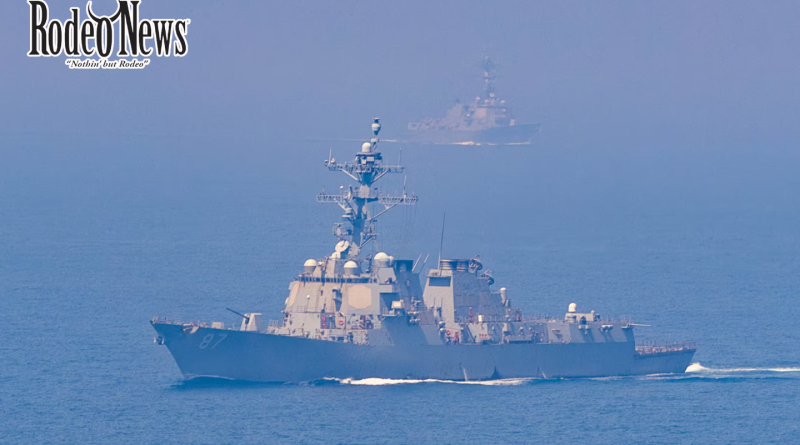
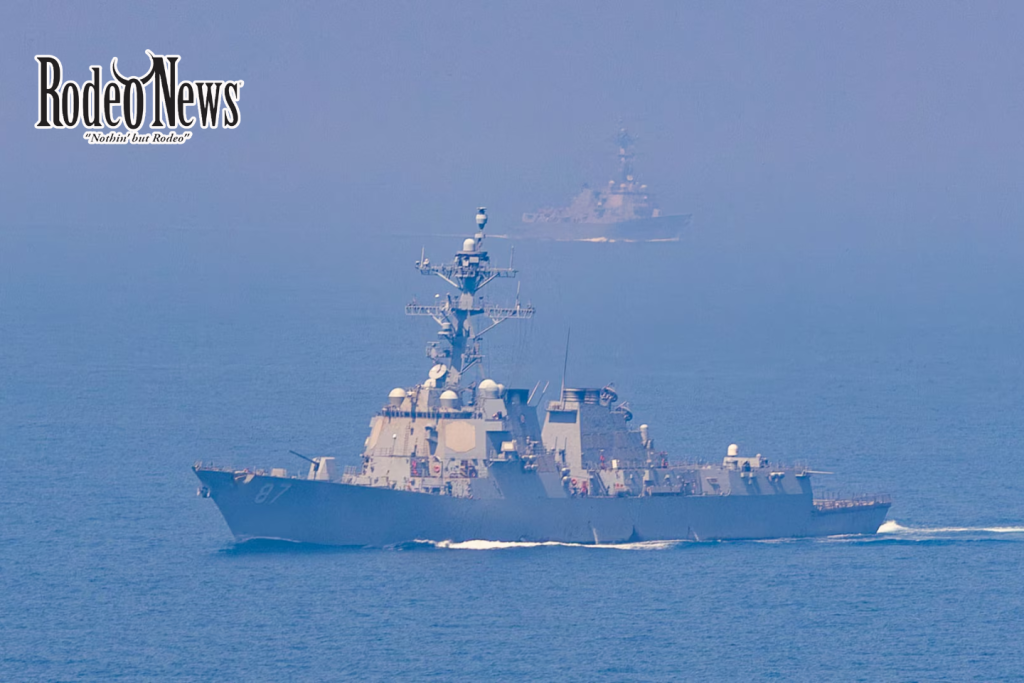
In a newly released statement, the U.S. Central Command (CENTCOM) announced that American naval forces conducted coordinated protection operations for warships moving through the Strait of Hormuz, a critical maritime corridor linking the Persian Gulf to international waters. The operation comes as concerns continue growing over regional instability, maritime threats, and the possibility of wider military confrontation in the Middle East.
The Pentagon described the transit as part of ongoing efforts to guarantee freedom of navigation and ensure the safety of U.S. military assets operating in the region.
According to CENTCOM, American forces remain fully prepared to respond to any threat targeting U.S. personnel, allies, or commercial shipping routes.
Why the Strait of Hormuz Matters
The Strait of Hormuz remains one of the most important shipping lanes in the world.
Roughly one-fifth of global oil supplies move through the narrow waterway each day, making it vital for international energy markets and global economic stability. Any disruption inside the strait can immediately impact oil prices, shipping costs, and geopolitical tensions worldwide.
The channel separates Iran from Oman and the United Arab Emirates and connects the Persian Gulf with the Gulf of Oman and Arabian Sea.
Because of its strategic significance, the area has long been a flashpoint between Iran, the United States, and Western allies.
Military analysts frequently describe the Strait of Hormuz as one of the world’s most vulnerable maritime chokepoints due to its narrow width and heavy concentration of military assets.
Recent months have seen heightened fears over possible attacks on commercial tankers, naval vessels, and international cargo ships operating near the corridor.
CENTCOM Confirms Warship Protection Operation
In its official release, CENTCOM stated that U.S. naval forces successfully escorted and protected American warships transiting the Strait of Hormuz as part of ongoing regional security operations.
The command emphasized that safeguarding maritime routes remains a critical mission priority.
American officials did not publicly disclose the exact number of vessels involved in the operation. However, CENTCOM noted that naval assets and regional partners coordinated closely during the transit to maintain security and monitor potential threats.
The operation reportedly involved surveillance systems, escort capabilities, and rapid-response readiness in case hostile activity emerged during the passage.
Military experts say such missions are designed not only to protect vessels physically but also to deter adversaries from attempting aggressive actions in heavily monitored waters.
Rising Tensions Across the Middle East
The announcement arrives during a period of elevated military tension across the broader Middle East.
In recent weeks, concerns have intensified over the possibility of direct confrontation involving Iran-backed groups, regional militias, and Western military forces.
Several governments have warned commercial shipping companies to remain cautious when navigating Gulf waters due to increased security risks.
The United States has repeatedly accused Iran and affiliated groups of threatening maritime stability in the region. Tehran, meanwhile, has denied responsibility for multiple incidents involving tanker seizures and attacks in previous years.
The Strait of Hormuz has historically become a pressure point during moments of geopolitical escalation between Washington and Tehran.
Any military incident inside the waterway could rapidly affect global energy markets and international diplomatic relations.
U.S. Navy Expands Maritime Security Presence
The CENTCOM Strait of Hormuz mission also reflects the broader expansion of U.S. maritime security operations across the region.
Over the past year, the U.S. Navy has increased patrols involving destroyers, aircraft carriers, surveillance aircraft, and coalition naval forces operating in the Persian Gulf and Red Sea.
Washington argues that maintaining freedom of navigation is essential to protecting global trade and international law.
American officials have repeatedly stressed that the United States will continue operating in international waters regardless of regional threats.
The Navy has also strengthened cooperation with Gulf allies, including Saudi Arabia, Bahrain, and the United Arab Emirates, to improve coordinated maritime defense capabilities.
Bahrain remains home to the U.S. Fifth Fleet, which oversees many naval operations throughout the Middle East region.
Oil Markets Watching Closely
Global energy markets reacted cautiously following CENTCOM’s latest announcement.
Traders and analysts continue monitoring developments around the Strait of Hormuz because any disruption could dramatically affect crude oil exports from Gulf nations.
Energy experts warn that even temporary interruptions to shipping traffic could trigger rapid increases in global oil prices.
The region handles exports from several of the world’s largest oil producers, including Saudi Arabia, Iraq, Kuwait, and the United Arab Emirates.
Because of this, international governments closely track every military development connected to the strait.
Insurance costs for shipping companies operating near the Gulf have already risen amid security concerns, adding further economic pressure on global supply chains.
Strategic Signaling to Adversaries
Military analysts believe the latest operation serves both defensive and symbolic purposes.
Beyond protecting naval vessels, the mission sends a clear message that the United States intends to maintain a strong military presence throughout the Gulf region.
Strategic signaling plays a major role in modern naval operations, particularly in contested waterways where rival powers regularly monitor each other’s movements.
By publicly announcing the successful transit, CENTCOM likely aimed to demonstrate operational readiness and reassure allies concerned about regional security.
Defense experts note that visible naval operations can discourage hostile actors from testing military responses in strategically important areas.
The Pentagon has repeatedly emphasized deterrence as a central objective of U.S. military policy in the Middle East.
International Shipping Industry Remains Concerned
Commercial shipping companies continue expressing concern over the long-term security outlook inside the Strait of Hormuz.
Shipping executives fear that worsening tensions could expose cargo vessels and oil tankers to increased risks.
Several maritime organizations have advised crews operating near the Gulf to remain alert for potential drone activity, vessel interceptions, or electronic interference.
Past incidents involving commercial tankers have demonstrated how quickly maritime crises can escalate.
International shipping firms are also closely monitoring insurance premiums and operational costs connected to regional instability.
If tensions continue rising, transportation expenses could increase further for companies moving goods through Gulf waters.
Regional Allies Welcome U.S. Presence
Many Gulf allies have welcomed the continued American naval presence in the region.
Several governments view U.S. military operations as essential to maintaining maritime security and preventing disruptions to trade routes.
Regional cooperation between American forces and allied navies has expanded significantly over the past decade.
Joint patrols, intelligence-sharing agreements, and multinational exercises have become increasingly common throughout Gulf waters.
Security analysts argue that coordinated operations improve response times and strengthen deterrence against hostile activity targeting shipping lanes.
At the same time, critics warn that heavy military activity can also heighten tensions and increase the possibility of accidental escalation.
What Happens Next?
The future security situation surrounding the Strait of Hormuz remains uncertain.
Much will depend on diplomatic developments, regional military activity, and broader geopolitical tensions involving Iran and Western powers.
For now, CENTCOM has made clear that U.S. naval operations will continue throughout the region.
American officials insist they remain committed to protecting military personnel, commercial shipping, and allied interests in one of the world’s most strategically vital waterways.
The latest CENTCOM Strait of Hormuz mission underscores how critical the corridor remains for global security, energy markets, and international trade.
As geopolitical tensions continue evolving, the Strait of Hormuz is likely to remain one of the most closely watched regions in the world.