Full Article
A brain-eating amoeba infection has claimed the life of a North Carolina teenager, highlighting the extreme danger of a disease that remains exceptionally rare in the United States.
The teenager, identified by the Guardian as Moises Ponce Mendoza, died on Aug. 31 after contracting an infection caused by Naegleria fowleri. North Carolina health officials had initially announced on Aug. 27 that a teenager in central North Carolina was critically ill with the infection. The state health department has not publicly disclosed the location where the exposure occurred, citing the family’s privacy. TThe Guardian+1
The death comes only days after an eight-year-old Louisiana girl, Lillian Smart, died from the same infection following a likely exposure at Lake Claiborne. Her case was confirmed by Louisiana health officials earlier in August. TThe Guardian
Despite the frightening nickname, Naegleria fowleri infections are extraordinarily uncommon. CDC data show that only 180 cases were diagnosed in the United States between 1937 and 2025, with no more than eight cases reported in any single year during that period. CCDC
Still, when infection occurs, the consequences can be devastating.
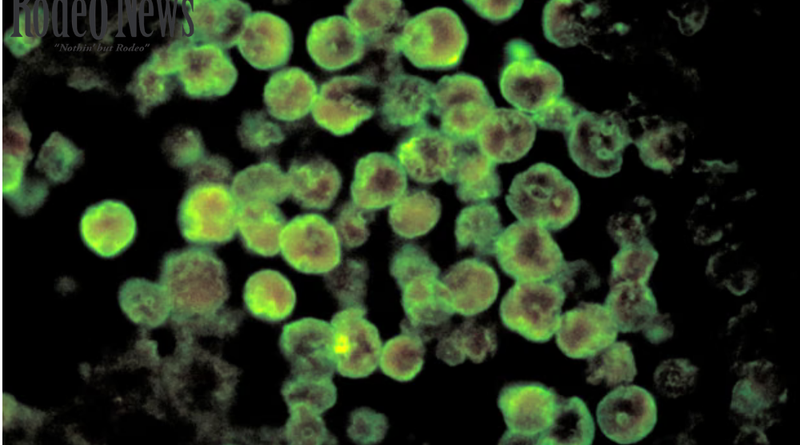
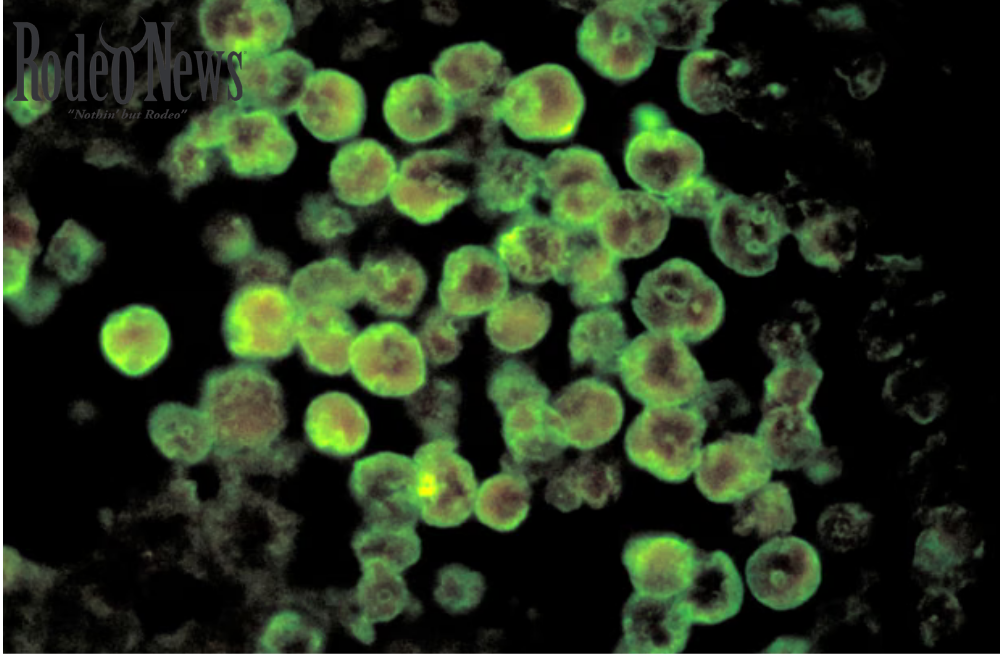
Brain-Eating Amoeba: What Is Naegleria Fowleri?
The brain-eating amoeba is the common name for Naegleria fowleri, a microscopic single-celled organism that can live in warm freshwater.
It is most commonly associated with lakes, ponds, rivers and naturally hot water sources. The organism can also exist in soil and sediment. CCDC
The infection becomes dangerous when contaminated water enters the nose.
From there, the amoeba can travel through the nasal passages toward the brain. It can then cause a severe infection known as primary amebic meningoencephalitis, or PAM.
PAM attacks brain tissue and can progress extremely quickly.
The CDC describes the infection as rare but nearly always fatal. Fewer than 10 PAM infections are typically reported in the United States each year. CCDC+1
That combination makes the recent North Carolina death especially alarming: the disease is extraordinarily rare, but its progression can be devastating once symptoms appear.
How Did the North Carolina Teen Become Infected?
The exact source of the North Carolina teenager’s infection has not been publicly identified.
North Carolina’s Department of Health and Human Services confirmed that the patient was from central North Carolina and had contracted Naegleria fowleri. Officials initially said the teenager was critically ill before the death was reported on Aug. 31. NNC DHHS+1
Health authorities have not released additional information about the family or the suspected exposure.
In most cases, however, Naegleria fowleri infections are associated with activities in warm freshwater.
Swimming, diving and other activities that force water into the nose can create an opportunity for the amoeba to enter the body. CCDC+1
The risk does not come from simply being near a lake or river.
The critical route of infection is water containing the amoeba entering the nose.
That distinction is important because the nickname “brain-eating amoeba” can make the organism sound far more contagious than it actually is.
The Infection Does Not Spread From Person to Person
One of the most important facts about Naegleria fowleri is that it does not spread from one person to another.
A person cannot catch PAM simply by being near an infected patient, touching them or sharing normal household spaces.
The CDC says people also cannot develop PAM by swallowing water containing the amoeba. The organism must enter through the nose and reach the brain. CCDC+1
This means the North Carolina death does not indicate that the infection is spreading through communities in the same way as respiratory viruses.
There is also no evidence that Naegleria fowleri spreads through water vapor, shower mist or humidifier aerosols. CCDC
The concern instead centers on exposure to contaminated water under conditions that allow the organism to enter the nasal passages.
Why Warm Freshwater Is the Main Risk
Naegleria fowleri thrives in warm freshwater environments.
That is why infections are generally associated with summer months and warmer climates.
CDC data show that most U.S. cases have occurred during July and August, when water temperatures rise and people spend more time swimming and participating in outdoor water activities. CCDC
The organism has been found in environments including:
- Warm lakes
- Rivers
- Ponds
- Hot springs
- Warm freshwater sediment
- Some inadequately disinfected recreational-water environments
The CDC also says Naegleria fowleri can be present in water systems and has caused infections through contaminated water used for sinus or nasal rinsing. CCDC+1
However, the risk from recreational freshwater remains extremely low.
The CDC estimates that fewer than 10 people in the United States typically develop PAM each year. CCDC
Brain-Eating Amoeba Symptoms Can Progress Quickly
One of the biggest challenges with PAM is that its earliest symptoms can resemble other illnesses.
According to the CDC, early symptoms include:
- Headache
- Fever
- Nausea
- Vomiting
As the infection progresses, patients can develop a stiff neck, confusion, seizures, hallucinations and coma. CCDC
The illness can move from relatively nonspecific symptoms to severe neurological disease in a very short period.
The CDC says death typically occurs about five days after symptoms begin, although the course can vary from one to 18 days. CCDC
This rapid progression makes early recognition particularly important.
Anyone who suddenly develops severe headache, fever, vomiting or stiff neck after recent exposure to warm freshwater should seek medical attention immediately and tell healthcare providers about the water exposure.
That information could help doctors consider PAM as a possible diagnosis.
Why PAM Is So Difficult to Diagnose
The rarity of the brain-eating amoeba infection creates a major diagnostic challenge.
Doctors are far more likely to encounter common causes of headache, fever, nausea or vomiting than PAM. As a result, the early symptoms may initially point toward more familiar infections.
The CDC says laboratory testing is required to diagnose Naegleria fowleri, but testing is available at only a limited number of laboratories in the United States, including the CDC. CCDC
Because the disease progresses so quickly, every hour can matter.
That is why physicians need to know whether a patient recently participated in freshwater activities.
The connection between water exposure and rapidly developing neurological symptoms can be an important clue.
Is There a Treatment for Brain-Eating Amoeba?
There is no single guaranteed cure for PAM.
However, treatment is possible, and the CDC recommends an aggressive combination of medications for patients with confirmed or suspected infection.
The recommended treatment approach can include multiple drugs, such as amphotericin B, azithromycin, posaconazole, rifampin, miltefosine and dexamethasone. The exact treatment is determined by specialists based on the individual case. CCDC
The medical outlook remains extremely serious.
The CDC says only five well-documented PAM survivors have been reported in North America. CCDC
Those rare survivors demonstrate that recovery is possible, but they also underline how difficult the disease is to treat.
Because the infection is so uncommon, researchers continue to investigate better diagnostic methods and treatment strategies.
How Can People Prevent a Brain-Eating Amoeba Infection?
The risk of contracting Naegleria fowleri is extremely low, but people can take practical steps to reduce exposure.
The simplest approach is to avoid activities in warm freshwater where possible.
For people who choose to swim, the CDC recommends several precautions.
Holding the nose shut or wearing a nose clip can reduce the chance of water entering the nasal passages when jumping or diving. People should also avoid putting their heads underwater in naturally hot water and avoid disturbing sediment in shallow freshwater. CCDC
The CDC’s prevention guidance includes:
- Avoid swimming in warm freshwater during particularly hot periods.
- Hold your nose shut or use a nose clip when jumping or diving.
- Keep your head above water in hot springs.
- Avoid digging or stirring sediment in shallow freshwater.
- Use distilled or boiled water for sinus rinsing and nasal cleansing.
These measures do not eliminate every possible exposure, but they can reduce the main routes by which the amoeba reaches the nose. CCDC+1
Properly Maintained Pools Are Different
The recent cases should not lead people to assume that all swimming water carries the same risk.
The CDC says Naegleria fowleri infections are not associated with properly maintained and disinfected swimming pools. CCDC+1
The amoeba is primarily a concern in warm freshwater environments.
That includes natural bodies of water where temperature and sediment can create favorable conditions.
Saltwater is also different.
The CDC says no person in the United States has ever been documented as contracting PAM from swimming in salt water. CCDC
Still, people should follow normal water-safety and public-health guidance wherever they swim.
Are Brain-Eating Amoeba Cases Becoming More Common?
The North Carolina case has renewed attention on a question scientists have been studying for years: whether warming temperatures could influence the geographic range of Naegleria fowleri.
Historically, most U.S. infections have been associated with warmer southern states.
However, cases have also occurred farther north.
CDC information notes that states with warmer climates have recorded the most PAM cases, while infections have also occurred in northern states. CCDC
The CDC’s medical information also notes evidence suggesting the organism’s range may be expanding northward as the climate warms. CCDC
That does not mean the average person faces a high risk.
The infection remains exceptionally rare.
But warmer freshwater conditions and changing recreational patterns may be important factors for researchers monitoring the disease.
North Carolina Health Officials Urge Awareness, Not Panic
The death of the teenager is tragic, but health officials emphasize the rarity of the infection.
North Carolina’s health department initially reported the case on Aug. 27, warning residents about the rare illness while protecting the family’s privacy. NNC DHHS
The case followed the death of Louisiana child Lillian Smart, who was infected earlier in August after a likely exposure at Lake Claiborne. TThe Guardian
Two tragic cases occurring within a short period can make the disease appear more widespread than it actually is.
CDC statistics provide important context.
From 1937 through 2025, only 180 U.S. cases were diagnosed. The annual total ranged from zero to eight cases. CCDC
In other words, the possibility of encountering Naegleria fowleri exists, but the probability of developing PAM remains extraordinarily small.
What Swimmers Should Remember
The recent North Carolina death offers a clear reminder for people spending time in lakes, ponds and rivers during hot weather.
The main concern is not simply touching freshwater.
It is preventing contaminated water from entering the nose.
People who swim in warm freshwater can reduce their risk by avoiding diving or jumping, keeping their heads above water when practical, using nose clips and staying away from sediment in shallow areas. CCDC
Anyone who develops sudden severe symptoms after freshwater exposure should seek emergency medical care.
Most headaches or fevers after swimming are not PAM.
But because PAM progresses rapidly, unusual neurological symptoms following freshwater exposure should never be ignored.
A Rare Infection With a Devastating Outcome
The death of the North Carolina teenager has once again brought the brain-eating amoeba into the national spotlight.
Naegleria fowleri is frightening because of what happens after it reaches the brain. Yet the organism is not easily transmitted, and PAM remains one of the rarest infectious diseases in the United States.
The current North Carolina case is therefore not evidence of a widespread outbreak.
Instead, it is a tragic reminder that rare infections can still have devastating consequences.
For families enjoying lakes and rivers, the best response is awareness rather than panic.
Understanding how the amoeba enters the body, recognizing the warning signs and following basic prevention measures can help reduce an already very small risk.
As temperatures remain high across parts of the United States, health officials will continue monitoring cases and educating the public about freshwater safety.
For swimmers, the message is straightforward: warm freshwater can be enjoyed, but preventing water from entering the nose is an important precaution.
And if severe symptoms appear after freshwater exposure, getting medical help quickly can be critical.