Baby Goats Rabies Alert: 4 Test Positive in North Carolina
A baby goats rabies alert is underway in North Carolina after four young goats associated with a mobile petting zoo were found to have been infected with the deadly virus. State health officials are asking anyone who may have had direct contact with the animals between July 28 and Aug. 27 to contact their local health department for a rabies risk assessment.
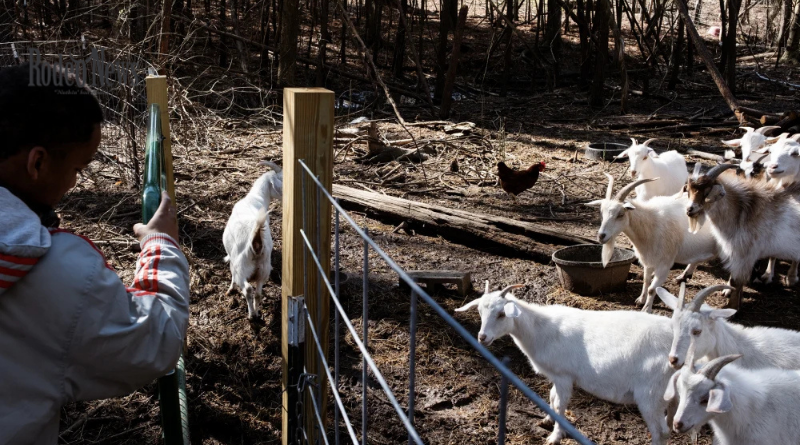
The affected goats were part of Farm Adventures, a mobile petting zoo based in Harmony, North Carolina. The animals traveled to private gatherings and community events across several counties, raising concerns that people may have handled, fed or cuddled the goats while they were infectious.
The North Carolina Department of Health and Human Services, or NCDHHS, confirmed the rabies cases after testing conducted by the North Carolina State Laboratory of Public Health. Officials said three goats tested positive, while a fourth was not tested but was considered infected based on the circumstances.
The situation has prompted a wider investigation into where the animals traveled and who may have interacted with them.
Baby Goats Rabies Cases Trigger Health Warning
According to NCDHHS, officials were notified Aug. 27 about a potential rabies exposure involving four baby goats at Farm Adventures. Investigators determined the animals were most likely exposed when a skunk entered their pen at the farm in late July.
Laboratory testing confirmed rabies virus in three of the goats on Aug. 28. The fourth goat was not tested but was also assumed to have been infected.
The goats were subsequently euthanized to prevent further spread of the virus.
Farm Adventures said the goats were named Molly, Maggie, Cow and Uno. The business said the animals were too young for vaccination and that it did not know they had been bitten by a skunk. The goats reportedly did not show obvious signs of rabies before the investigation began.
That detail is important because rabies exposure cannot always be identified simply by observing an animal’s behavior.
The CDC notes that rabies can cause behavioral changes, but those changes may not always be obvious until an animal is already infectious.
Where the Baby Goats May Have Been Seen
The investigation covers a significant period because Farm Adventures operates as a traveling petting zoo.
NCDHHS said people who had contact with the baby goats either at the company’s location in Harmony or during an off-site event between July 28 and Aug. 27, 2026, may have been exposed.
State officials have identified several potential exposure locations, including:
- July 28: Jurney’s Assisted Living in Statesville
- July 30: Private event in Mecklenburg County
- Aug. 1: Community Connections Back-to-School Bash at Breeden Amphitheater in Lexington
- Aug. 6: Brookdale Peachtree in Statesville
- Aug. 8: Private event in Watauga County
- Aug. 9: Private event in Burke County
- Aug. 15: Masonic Picnic Grounds in Mocksville
- Aug. 16: Private event in Durham County
- Aug. 22: Private event in Iredell County
- Aug. 23: Private event in Durham County
Health departments are working with event organizers to identify people who may have come into direct contact with the goats.
Officials also emphasized that the investigation remains active and that additional potential exposure locations could be identified.
What Counts as a Rabies Exposure?
The baby goats rabies investigation does not mean everyone who attended one of the events was exposed.
Health officials are particularly concerned about people who had direct contact with the infected animals. That could include visitors who touched, held, fed or cuddled the goats.
Rabies is generally transmitted through the saliva or nervous tissue of an infected animal. A bite or scratch is the most familiar route, but infected saliva can also present a risk if it comes into contact with broken skin or mucous membranes such as the eyes, nose or mouth.
NCDHHS specifically noted that young goats are often bottle-fed and handled closely. Because of that close interaction, officials are taking a cautious approach and asking potentially exposed people to undergo a professional risk assessment.
There is not a broad risk to the general public, according to local health officials. The concern is focused on people who had relevant contact with the goats during the exposure period.
Why Rabies Is Such a Serious Concern
Rabies is a viral disease that attacks the central nervous system. Once symptoms begin, the disease is almost always fatal.
That makes timing critical.
The good news is that rabies can be prevented after an exposure if appropriate medical treatment is started before symptoms develop. The CDC calls this treatment post-exposure prophylaxis, or PEP.
NCDHHS said symptoms can begin weeks to months after exposure. Early symptoms may resemble other illnesses and can include weakness, fever and headache. Some people may also experience unusual tingling or itching around the site of exposure.
People should therefore not wait for symptoms before contacting public health officials if they believe they had a possible exposure.
What People Who Touched the Goats Should Do
Anyone who remembers having direct contact with the affected baby goats during the relevant period should contact their local health department.
NCDHHS recommends calling before going directly to an emergency department or urgent care clinic so officials can determine whether treatment is necessary and where it can be obtained.
The appropriate medical response depends on the circumstances of the exposure.
For someone who has never previously received rabies vaccination, CDC guidance for PEP generally includes thorough wound cleaning, human rabies immune globulin and a four-dose vaccine series. The first vaccine dose should be administered as soon as possible after a qualifying exposure.
However, people should not attempt to decide on their own whether they need rabies treatment. Public health professionals assess the animal involved, the type of contact, the timing and other circumstances before recommending PEP.
The CDC advises people who may have been exposed to contact their health department promptly for an assessment.
Rabies in North Carolina: What Officials Say
Rabies is not a new concern in North Carolina. The disease is found most often in wildlife, particularly animals such as skunks, raccoons, bats and foxes.
NCDHHS reported that more than 4,000 animals were submitted for rabies testing in North Carolina in 2025, with approximately 6% testing positive.
The current investigation is unusual because the animals involved were goats that were regularly handled by members of the public.
State officials also stressed that human rabies infections remain extremely rare. No human rabies cases have been reported in North Carolina since 2011, according to NCDHHS.
Still, the severity of rabies means even a relatively unusual exposure requires serious attention.
Farm Adventures Says the Goats Were Euthanized
Farm Adventures said it is cooperating with public health, agriculture and animal-control authorities following the discovery.
The company said the four affected goats were euthanized to prevent further spread and that its remaining animals were being monitored under guidance from officials.
The company’s website describes Farm Adventures as a mobile petting zoo serving families, schools, community events and assisted-living facilities in the North Carolina area. Its activities include hands-on interactions with goats and other farm animals.
The nature of those activities is one reason the investigation has focused heavily on identifying anyone who had close contact with the goats.
Health Officials Are Still Investigating
The baby goats rabies investigation is not considered closed.
NCDHHS said officials are continuing to work with Farm Adventures and local health departments to identify possible exposure locations. Organizers of affected events are also being contacted so they can help notify people who may have interacted with the animals.
Several county health departments have issued their own warnings.
For example, Mecklenburg County Public Health urged residents who had contact with the goats during the relevant period to call for a rabies risk assessment. Officials specifically encouraged parents and caregivers to make calls on behalf of children who may have interacted with the animals.
Iredell County officials similarly advised people who attended events involving the mobile petting zoo to contact health authorities for guidance about possible prophylactic treatment.
What This Means for Families
The incident is likely to raise concerns among families who regularly visit petting zoos.
Petting zoos allow children to interact with animals in controlled settings, but direct animal contact always carries some potential health risks. Hand washing, supervised interaction and avoiding contact with visibly sick or unusually behaving animals are important precautions.
At the same time, the current North Carolina alert should not be interpreted as evidence that petting zoos generally pose a rabies threat.
This investigation involves a specific group of goats that officials believe was exposed to a rabid skunk. The state has emphasized that the risk is concentrated among people who had direct contact with the affected animals during the relevant dates.
The most important message for potentially exposed visitors is simple: do not wait for symptoms.
Rabies is preventable when appropriate treatment is given before symptoms develop.
Bottom Line on the Baby Goats Rabies Alert
Four baby goats associated with a North Carolina mobile petting zoo have been linked to a rabies investigation after laboratory testing confirmed infection in three of the animals and officials determined the fourth was likely infected.
The goats may have been exposed to rabies by a skunk that entered their pen in late July. During the following weeks, the animals traveled with Farm Adventures to multiple events where members of the public could have interacted with them.
Anyone who touched, held, fed or otherwise had direct contact with the baby goats between July 28 and Aug. 27 should contact their local health department for an individual risk assessment.
Rabies is extremely serious, but timely preventive treatment can stop the disease before it becomes fatal. For that reason, people who believe they may have been exposed should contact public health officials promptly rather than waiting for symptoms.