Foldable iPhone: 7 Things Apple Must Get Right
The foldable iPhone is approaching one of its biggest tests yet. Samsung and Google have now introduced their latest foldable phones, giving Apple a clearer picture of the competition before its expected entry into the market. Samsung unveiled the Galaxy Z Fold8, Galaxy Z Fold8 Ultra and Galaxy Z Flip8 in July, while Google has introduced the Pixel 11 Pro Fold.
That timing matters.
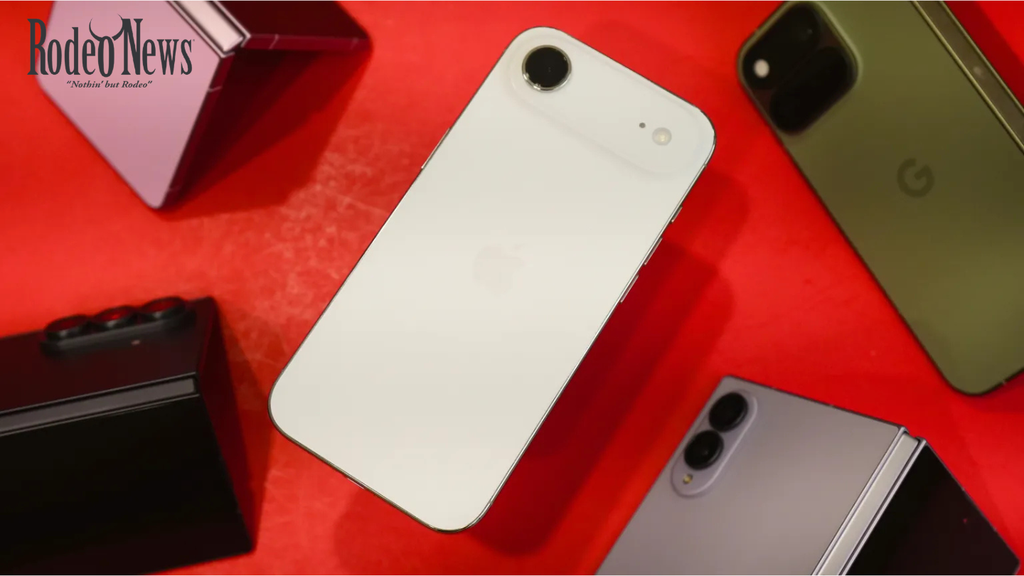
Apple has spent years watching other smartphone makers experiment with folding displays. Now the company is widely expected to enter the category in 2026, potentially alongside the iPhone 18 lineup. Reports suggest the first device could use a book-style design with a large inner display and a conventional outer screen.
The opportunity is enormous, but so is the challenge.
Samsung has already built years of experience in foldable hardware. Google has developed a distinctive software approach around large-screen Android devices. Apple, meanwhile, will have to convince millions of existing iPhone users that folding technology offers something genuinely useful.
Here are seven things Apple must get right.
1. The Foldable iPhone Must Have a Nearly Invisible Crease
The display crease is one of the clearest reminders that foldable phones are different from traditional smartphones.
That may be acceptable for early adopters. It becomes much harder to justify when a company is asking customers to pay a premium for a flagship device.
This is where Apple has a significant target to hit.
Samsung’s latest Fold8 generation has focused heavily on making foldable hardware thinner and improving the appearance of the inner display. Samsung says the new Galaxy Z lineup represents another step in its long-running foldable development.
Recent reviews of Samsung’s Fold8 Ultra have also highlighted a less visible crease, while Google’s Pixel 11 Pro Fold continues to show a more noticeable crease.
For Apple, the goal should be simple: make the fold feel natural.
Rumored specifications point toward a 7.8-inch internal display and technology intended to reduce the visible crease. Those details remain unconfirmed until Apple announces the product, but the expectations are already clear.
If Apple can make the screen feel remarkably close to a conventional premium display, that could become one of its strongest advantages.
2. The Foldable iPhone Must Be Thin and Comfortable
A foldable phone should solve a problem, not create a new one.
One of the biggest problems with early foldables was physical bulk. When closed, some devices felt unusually thick. When opened, they could be awkward to hold for long periods.
Samsung’s newest generation shows how quickly the category is evolving.
The Galaxy Z Fold8 introduces a shorter and wider design, while Samsung positions the Fold8 Ultra as a larger workspace for productivity and content creation.
That gives Apple an important lesson: dimensions matter as much as specifications.
The rumored foldable iPhone design is expected to use a wider, passport-like form factor rather than the narrow profile associated with some older foldables.
Apple should make sure the device feels premium when closed and expansive when open.
That sounds obvious, but achieving both goals is difficult.
A successful foldable should disappear into the user’s daily routine. It should fit into a pocket, feel comfortable during calls and offer a dramatic increase in screen space when opened.
If Apple manages that balance, the hardware could feel genuinely transformative.
3. Apple Must Make iOS Feel Built for Folding
Hardware alone will not make the foldable iPhone successful.
Software may be even more important.
A foldable provides additional screen real estate, but the value of that space depends on what users can actually do with it.
Google has spent years developing Android features for larger displays and multitasking. Samsung has also built an extensive software experience around productivity and multiple applications.
Apple therefore cannot simply stretch iOS onto a larger screen.
The company needs to rethink how apps work when the device opens.
Imagine opening a document on the inner screen while keeping notes beside it. Picture editing a photo with a larger workspace while maintaining quick access to controls. Consider watching a video while checking messages without constantly switching applications.
Those experiences could make folding technology useful rather than merely impressive.
Apple’s ecosystem gives it a powerful foundation. Millions of developers already build applications for iPhone and iPad. The challenge will be encouraging them to make the most of a new form factor.
A well-designed foldable iPhone could effectively bridge the gap between a phone and a small tablet.
That would give Apple a compelling reason for customers to upgrade.
4. The Foldable iPhone Needs Excellent Battery Life
Battery life could become one of the most important practical tests.
Foldable phones need to power multiple displays and increasingly sophisticated processors while fitting everything into a relatively thin body.
That creates a difficult engineering problem.
Apple has traditionally placed considerable emphasis on power efficiency. If the company can combine efficient silicon with a well-designed battery system, it could turn battery life into a meaningful advantage.
Current rumors suggest a battery capacity somewhere around 4,800 to 5,000mAh, although specifications remain unconfirmed.
Capacity alone does not tell the full story.
Software optimization, processor efficiency, display technology and thermal management all influence endurance.
This is particularly important because foldable users are likely to take advantage of the larger inner screen frequently. More screen time means more battery consumption.
Apple should aim for a device that comfortably lasts a full day under heavy use.
If users constantly have to conserve power because they are using the larger display, the fundamental benefit of the foldable design becomes less attractive.
5. Apple Must Deliver a Flagship Camera
The camera system could be another difficult compromise.
Reports about Apple’s first foldable have suggested that the device could use two rear cameras rather than the three-camera arrangement found on some high-end iPhone Pro models.
If that happens, Apple will need to compensate through computational photography.
The company’s camera processing remains one of the strongest parts of the iPhone experience. A foldable model should use that advantage aggressively.
Users will expect excellent portraits, reliable low-light photography, strong video recording and consistent image quality.
There is also a unique opportunity.
A folding phone can potentially use its displays in creative ways. The outer screen could help with framing selfies. The device could be partially folded for hands-free photography. The larger inner display could provide a richer editing experience.
Apple should treat the folding mechanism as a camera feature, not simply a display feature.
That could help distinguish the device from conventional iPhones.
6. The Foldable iPhone Must Justify Its Premium Price
Price may be Apple’s biggest challenge.
Rumors have suggested that the first foldable iPhone could cost between $2,000 and $2,500.
That would place the device firmly in luxury territory.
At that price, customers will expect almost everything to be exceptional.
The screen must be outstanding. The hinge must feel durable. The cameras must perform at a flagship level. Battery life must be dependable. Software must feel polished.
There is also the question of value.
Samsung’s Galaxy Z Fold8 Ultra is already positioned above $2,000, while Google’s Pixel 11 Pro Fold has been reported at $1,899.
Apple therefore cannot rely solely on its brand.
The company must explain why paying more delivers a meaningfully better experience.
That could come through software integration, ecosystem features, long-term support and an exceptionally refined design.
If Apple succeeds, the premium could become part of the product’s appeal.
If it does not, consumers may decide that a conventional iPhone remains the smarter purchase.
7. Apple Must Make the Foldable iPhone Feel Unmistakably Apple
This may be the most important requirement of all.
Apple does not need to invent the concept of a foldable phone.
Samsung and Google have already demonstrated that the category works. Samsung has particularly deep experience after multiple generations of Galaxy foldables.
Apple’s opportunity is different.
The company can take a technology that already exists and refine it into an experience that feels cohesive.
That is where the Apple ecosystem could become a major advantage.
A foldable iPhone could work seamlessly with AirPods, Apple Watch, Macs and iPads. Files could move between devices effortlessly. Messages and calls could remain synchronized. Continuity features could make the larger screen immediately useful.
Apple’s strength has rarely been about being first.
It has often been about making complex technology feel simple.
That philosophy could be especially valuable in the foldable market.
Samsung and Google Have Given Apple a Clear Challenge
The competitive landscape is now much more advanced than it was several years ago.
Samsung has continued to refine its foldables and has introduced a broader 2026 lineup. The company says its latest devices are designed for productivity, entertainment and self-expression.
Google is also pushing the category forward with the Pixel 11 Pro Fold.
The Verge’s review described Google’s latest foldable as a capable device while noting that it retains a more noticeable crease and a design that feels less aggressive than some competitors.
That creates an interesting opportunity for Apple.
The company does not need to beat every competitor on every specification.
It needs to identify the areas that matter most to everyday users and make those areas exceptional.
That could mean a refined hinge, a nearly invisible crease, powerful software and seamless integration with the broader Apple ecosystem.
The Foldable iPhone Could Transform the Market
Apple’s entry could have an impact far beyond its own sales.
Counterpoint Research has forecast that global foldable smartphone shipments could increase 21% year over year in 2026, with Apple potentially capturing a 25% share after entering the category. The same analysis expects Samsung to remain the market leader, although its share could decline as competition intensifies.
Those forecasts illustrate the potential scale of Apple’s arrival.
For years, foldable phones have remained a relatively specialized category. Apple’s participation could push the technology toward the mainstream.
That would benefit consumers.
More competition could encourage manufacturers to improve durability, reduce thickness, develop better displays and explore more useful software experiences.
In other words, Apple’s first foldable could accelerate innovation across the entire smartphone industry.
What Apple Can Learn From Samsung and Google
The biggest lesson from Samsung and Google is that folding hardware is no longer just a futuristic experiment.
The category is maturing.
Samsung’s latest devices show the benefits of years of hardware refinement. Google’s approach demonstrates how software can make a large foldable display more useful.
Apple now has the advantage of entering with that experience already available.
It can study what users love.
It can identify what frustrates them.
And it can potentially eliminate some of the compromises that have defined foldables.
That could make Apple’s delayed arrival surprisingly powerful.
A Major Opportunity for Apple’s Next iPhone Era
The foldable iPhone arrives at a fascinating point in the smartphone market.
Traditional smartphones have become highly refined. Year-to-year upgrades are increasingly incremental, while consumers expect devices to last longer.
Foldables offer manufacturers a new way to create excitement.
Apple’s challenge is to make that excitement meaningful.
The company should not present folding as a gimmick. Instead, it should demonstrate why the extra screen space improves real tasks.
Reading, multitasking, editing, gaming, photography and communication could all become better if the software is designed around the larger display.
That is the opportunity.
The Bottom Line
The foldable iPhone does not need to be the first foldable phone to succeed.
It needs to be the one that makes folding feel inevitable.
Samsung has demonstrated the category’s potential. Google continues to explore how software can make foldables more useful. Apple’s advantage is the opportunity to combine those lessons with its own hardware, software and ecosystem expertise.
Seven priorities stand out: a nearly invisible crease, a thin design, powerful fold-optimized software, excellent battery life, strong cameras, sensible premium positioning and a distinctly Apple user experience.
If Apple can deliver on those points, its first foldable could become much more than another expensive smartphone.
It could be the device that finally moves foldable phones from an interesting niche into the mainstream.
And with Samsung and Google already raising expectations, Apple no longer has the luxury of arriving with an ordinary foldable.
It has to arrive with a compelling reason to fold.
Internal link suggestions: Link relevant phrases such as Apple iPhone news, best smartphones, Samsung Galaxy phones, Google Pixel phones, and iPhone buying guides to corresponding pages on your website.