WHCD Attack Conspiracy Theories Revealed: 7 Shocking Facts
The rise of WHCD attack conspiracy theories following the White House Correspondents’ Dinner shooting has once again exposed how quickly misinformation can spread in moments of crisis. Within hours of the incident, social media platforms were flooded with claims that the attack was staged, manipulated, or part of a broader political agenda—despite a lack of evidence.
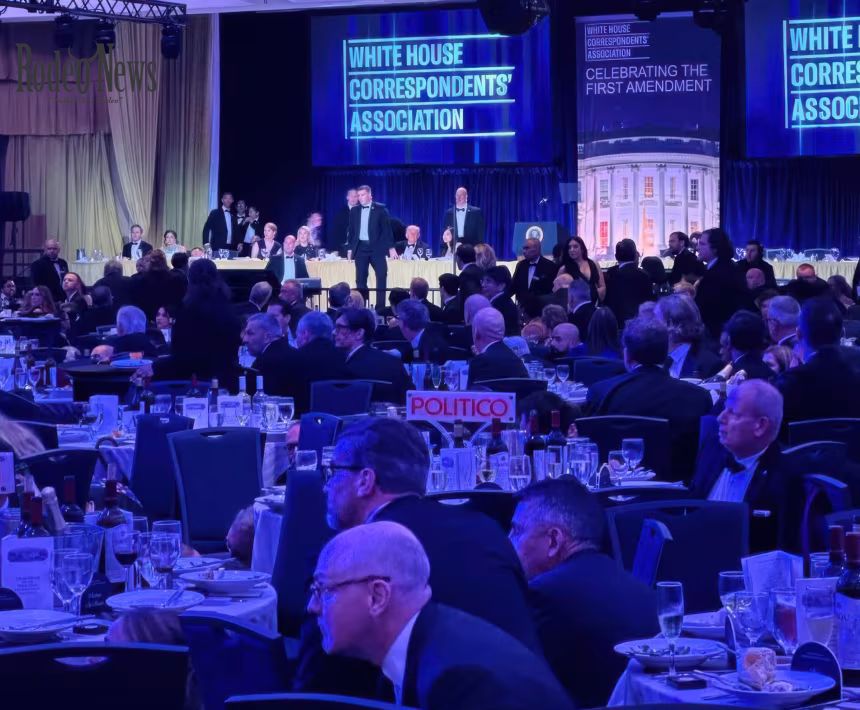
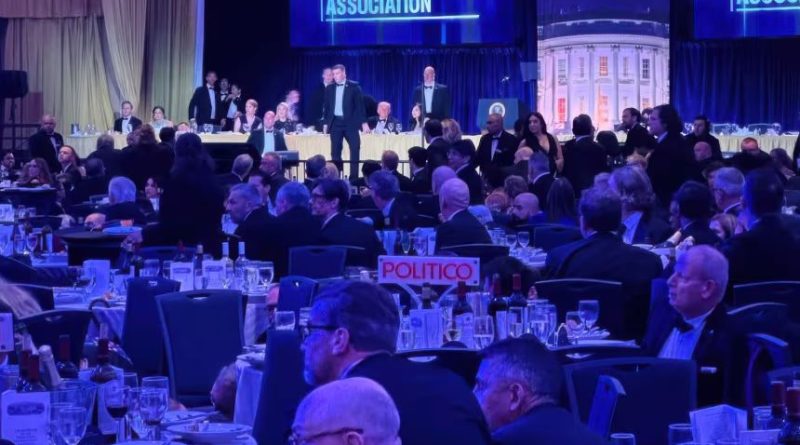
The event, which took place during the annual White House Correspondents’ Dinner in Washington, D.C., involved a gunman attempting to breach security. Authorities quickly intervened, preventing mass casualties and securing the area. However, the real battle soon shifted online, where narratives began to spiral beyond verified facts.
What Happened at the WHCD Attack?
The White House Correspondents’ Dinner is traditionally a high-profile gathering of journalists, politicians, and celebrities. This year’s event turned chaotic when a suspect attempted to carry out an armed attack.
According to multiple reports, the suspect was apprehended before reaching the main ballroom. No major injuries were reported, and security forces acted swiftly to neutralize the threat.
Investigations later revealed that the suspect had grievances against political institutions and had traveled across states prior to the incident.
Despite these clear facts, uncertainty in the immediate aftermath created fertile ground for speculation.
1. “Staged Attack” Claims Went Viral Instantly
One of the most dominant WHCD attack conspiracy theories was the claim that the incident had been staged.
Within hours, the word “staged” began trending across social media platforms.
Some users suggested the attack was orchestrated to gain political sympathy or distract from other issues.
However, no credible evidence has emerged to support these claims. Law enforcement agencies continue to treat the incident as a legitimate security threat.
2. Political Polarization Fueled Misinformation
Experts say the rapid spread of WHCD attack conspiracy theories reflects deep political divisions in the United States.
In today’s polarized environment, major events are often interpreted through partisan lenses. This leads to competing narratives, even before facts are confirmed.
Both critics and supporters of political figures contributed to the spread of speculation, highlighting a broader distrust in institutions and media.
3. Social Media Amplified False Narratives
Platforms like X (formerly Twitter), Threads, and Reddit played a major role in amplifying misinformation.
Algorithms tend to prioritize engagement, meaning sensational or controversial claims often gain more visibility than verified information. As a result, conspiracy theories spread faster than fact-checks.
Even misleading clips and out-of-context statements were used as “evidence” by online users.
4. AI-Generated Content Added Confusion
Another alarming development was the circulation of AI-generated images related to the suspect.
One viral image falsely showed the attacker wearing politically charged clothing. Experts later identified the image as digitally manipulated, noting inconsistencies in physical details and design elements.
This highlights a growing challenge: distinguishing real evidence from synthetic media in breaking news situations.
5. Conspiracy Theories Crossed Political Lines
Unlike traditional misinformation patterns, WHCD attack conspiracy theories were not confined to one political group.
Some critics suggested the attack was staged for political gain, while others used it to push unrelated narratives or agendas.
This cross-ideological spread demonstrates how conspiracy thinking has become a broader cultural phenomenon rather than a fringe belief.
6. Real-Time Reporting Couldn’t Stop the Spread
Journalists present at the event reported verified information in real time. However, factual reporting struggled to keep up with the speed of online speculation.
Even as credible outlets clarified details, false narratives continued to circulate widely.
This gap between reporting and public perception underscores the challenges facing modern journalism.
7. Misinformation Has Become the Default Reaction
Perhaps the most concerning takeaway is that conspiracy theories are increasingly becoming a default response to major events.
Experts note that declining trust in institutions and media has created an environment where people are more likely to question official accounts—sometimes without evidence.
This pattern has been seen in previous incidents, from political violence to global crises, and continues to intensify.
Why Do WHCD Attack Conspiracy Theories Spread So Fast?
There are several key reasons behind the rapid spread:
1. Information Gaps
In the early stages of a breaking event, limited information creates uncertainty.
2. Emotional Reactions
Fear, shock, and confusion make people more susceptible to dramatic explanations.
3. Algorithmic Amplification
Social media platforms reward engagement, not accuracy.
4. Pre-existing Biases
People tend to believe information that aligns with their views.
The Real-World Impact of Conspiracy Theories
While some may dismiss conspiracy theories as harmless speculation, they can have serious consequences.
They can:
- Undermine trust in institutions
- Distract from real threats
- Spread fear and confusion
- Harm individuals falsely linked to events
In extreme cases, conspiracy theories have even led to real-world violence, as seen in past incidents where misinformation motivated harmful actions.
The Role of Media and Fact-Checking
News organizations and fact-checkers have worked quickly to counter false claims surrounding the WHCD attack.
Fact-checking initiatives aim to:
- Verify information before publication
- Debunk viral falsehoods
- Provide context to prevent misinterpretation
However, the challenge remains significant, especially when misinformation spreads faster than corrections.
How Readers Can Avoid Misinformation
To navigate events like this responsibly, readers should:
- Verify information from multiple credible sources
- Avoid sharing unconfirmed claims
- Be cautious of emotionally charged content
- Check for official statements and updates
Critical thinking is essential in an era where misinformation can spread globally within minutes.
A Broader Pattern in Modern Politics
The WHCD incident is not an isolated case. It reflects a broader trend where conspiracy theories emerge almost immediately after major political events.
From election disputes to violent incidents, misinformation has become deeply embedded in public discourse.
Experts warn that unless systemic changes are made—both in media literacy and platform accountability—this trend is likely to continue.
Conclusion
The surge of WHCD attack conspiracy theories reveals a troubling reality about the modern information landscape. In moments of crisis, facts often struggle to compete with speculation.
While the investigation into the attack continues, one thing is clear: the spread of misinformation is now as significant a challenge as the events themselves.
Understanding how and why these narratives emerge is the first step toward addressing them. Without that awareness, the cycle of confusion and distrust will only deepen.