Hormuz Tensions Surge: 7 Key Oil Risks Revealed
Hormuz tensions are once again at the center of global attention as geopolitical dynamics in the Middle East grow increasingly complex. The Strait of Hormuz, a narrow but critical waterway, carries nearly a fifth of the world’s oil supply. Therefore, any instability in this region has immediate and far-reaching consequences for energy markets and global economies.
Recent developments involving the United Arab Emirates (UAE), Iran, Saudi Arabia, and shifting U.S. policy signals have heightened concerns among analysts and policymakers alike. While the situation remains fluid, several key risks are emerging that could shape the future of oil supply and pricing.
Why Hormuz Tensions Matter More Than Ever
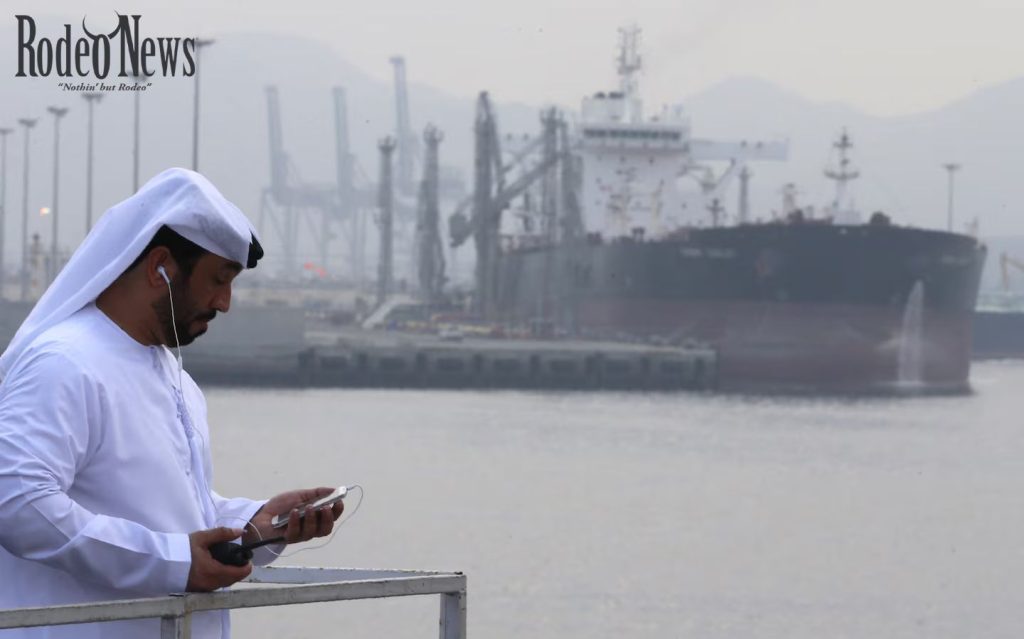
The Strait of Hormuz is not just another shipping lane. It is the lifeline of global oil transport. Every day, millions of barrels of crude oil pass through this narrow corridor connecting the Persian Gulf to international markets.
However, Hormuz tensions have historically proven to be highly sensitive to political shifts. Even minor escalations can trigger major disruptions. As a result, markets react quickly, often pushing oil prices higher.
Moreover, the current geopolitical climate is unusually fragile. The interplay between regional rivalries and global power interests has created a situation where small incidents can escalate rapidly.
1. Rising Friction Between UAE and Iran
One of the most significant drivers of Hormuz tensions is the evolving relationship between the UAE and Iran. While both countries have previously attempted diplomatic engagement, underlying mistrust remains.
Recently, disputes over maritime security and regional influence have resurfaced. These disagreements increase the risk of naval incidents in or near the Strait of Hormuz.
Consequently, shipping companies are becoming more cautious. Insurance costs for vessels operating in the region are also rising, reflecting growing uncertainty.
2. OPEC’s Internal Balancing Act
The Organization of the Petroleum Exporting Countries (OPEC) plays a central role in managing oil supply. However, internal divisions are becoming more apparent.
Some member states, including the UAE, have pushed for higher production quotas. Meanwhile, others prefer stricter controls to maintain price stability.
This internal tension adds another layer to Hormuz tensions, as disagreements could weaken coordinated responses during a crisis.
Furthermore, any breakdown in OPEC unity may amplify volatility in global oil markets.
3. Iran’s Strategic Leverage
Iran has long viewed the Strait of Hormuz as a strategic asset. In times of heightened conflict, Tehran has signaled its ability to disrupt shipping in the area.
Although a full closure remains unlikely, even partial disruptions could have severe consequences. For example, targeted attacks or increased inspections could slow down oil flows significantly.
Therefore, Hormuz tensions are closely tied to Iran’s broader geopolitical strategy. Its actions often serve as both a warning and a negotiation tool.
4. Saudi Arabia’s Calculated Response
Saudi Arabia, the world’s largest oil exporter, plays a crucial role in maintaining market stability. However, its response to rising Hormuz tensions is carefully calibrated.
On one hand, Riyadh seeks to avoid direct confrontation. On the other, it remains prepared to protect its النفط infrastructure and export routes.
Additionally, Saudi Arabia has invested heavily in alternative pipelines that bypass the Strait of Hormuz. While helpful, these routes cannot fully replace the capacity of the strait.
As a result, the kingdom remains deeply affected by any escalation.
5. U.S. Policy Uncertainty
The role of the United States is another critical factor influencing Hormuz tensions. Shifts in U.S. foreign policy, especially regarding Iran, can significantly alter the regional balance.
Recent signals suggest a mix of diplomatic outreach and strategic caution. However, this ambiguity creates uncertainty among allies and adversaries alike.
Without a clear and consistent approach, the risk of miscalculation increases. Consequently, even unintended incidents could spiral into larger conflicts.
6. Global Oil Market Volatility
Oil markets are highly sensitive to geopolitical developments. As Hormuz tensions rise, traders and investors react quickly.
Even rumors of disruption can lead to price spikes. Meanwhile, actual incidents could trigger sustained increases in oil prices.
This volatility affects not only energy companies but also consumers worldwide. Higher fuel costs can lead to inflation, slowing economic growth.
Therefore, the impact of these tensions extends far beyond the Middle East.
7. Increasing Militarization of the Region
Another alarming trend is the growing military presence in and around the Strait of Hormuz. Multiple countries have increased naval deployments to secure shipping routes.
While intended as a deterrent, this buildup also raises the risk of accidental clashes. Close encounters between military vessels can escalate quickly, especially in a tense environment.
Thus, militarization is both a response to and a driver of Hormuz tensions.
What Happens Next?
Predicting the future of Hormuz tensions is challenging. However, several scenarios are possible:
- De-escalation through diplomacy: Negotiations could reduce tensions and stabilize markets.
- Prolonged uncertainty: Continued friction without major incidents may keep markets volatile.
- Sudden escalation: A single event could disrupt oil flows and trigger a global energy crisis.
Each scenario carries significant implications for governments, businesses, and consumers.
The Broader Economic Impact
The consequences of rising Hormuz tensions are not limited to oil prices. They also affect global trade, investment flows, and economic stability.
For instance, higher energy costs can increase production expenses across industries. This, in turn, leads to higher prices for goods and services.
Moreover, uncertainty discourages investment, particularly in energy-intensive sectors. As a result, economic growth may slow in both developed and emerging markets.
Strategic Responses from Global Players
Countries around the world are closely monitoring the situation. Many are taking proactive steps to reduce their dependence on the Strait of Hormuz.
These measures include:
- Diversifying energy sources
- Building strategic oil reserves
- Investing in renewable energy
- Developing alternative shipping routes
While these strategies can mitigate risks, they cannot eliminate them entirely.
Conclusion: A Critical Moment for Global Energy
In conclusion, Hormuz tensions represent one of the most significant challenges facing the global energy system today. The combination of geopolitical rivalry, economic interests, and strategic calculations creates a highly volatile environment.
Although a full-scale crisis is not inevitable, the risks are real and growing. Therefore, careful diplomacy, strategic planning, and international cooperation are essential.
As the situation continues to evolve, the world will be watching closely. The stability of global oil markets—and the broader economy—may depend on what happens next.