Middle East Crisis Shocking Update: 5 Key Developments
The Middle East crisis has entered a critical new phase as tensions between Iran, the United States, Israel, and regional actors continue to escalate. Fresh developments on April 27, 2026, reveal a complex mix of diplomacy, military pressure, and economic disruption—raising fears of a prolonged global crisis.
At the center of the situation is the Strait of Hormuz, one of the world’s most vital energy corridors, alongside stalled negotiations and ongoing violence in Lebanon. Here are the five most important developments shaping the crisis right now.
1. Iran Offers Deal to Ease Hormuz Blockade
One of the most significant updates in the Middle East crisis is Iran’s reported proposal to ease its “chokehold” on the Strait of Hormuz. According to regional officials, Tehran has offered to reopen the crucial shipping route—but without addressing its nuclear program.
The proposal, reportedly delivered through Pakistan, also includes a demand that the United States lift its naval blockade on Iran.
However, the offer faces immediate resistance. US President Donald Trump has insisted that any agreement must include limits on Iran’s nuclear ambitions, making a quick resolution unlikely.
This diplomatic standoff highlights a core issue: both sides are negotiating—but on fundamentally different terms.
2. Strait of Hormuz Remains a Global Flashpoint
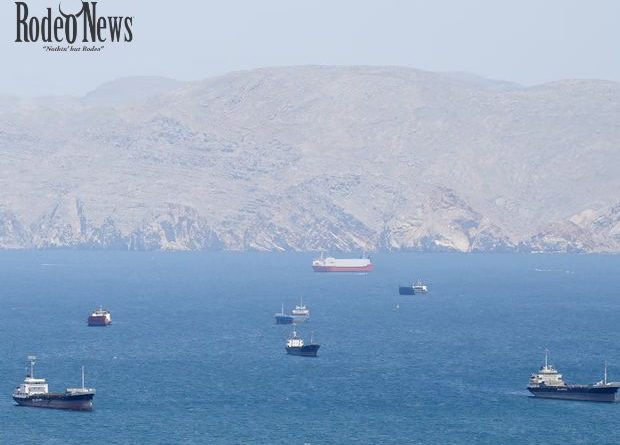
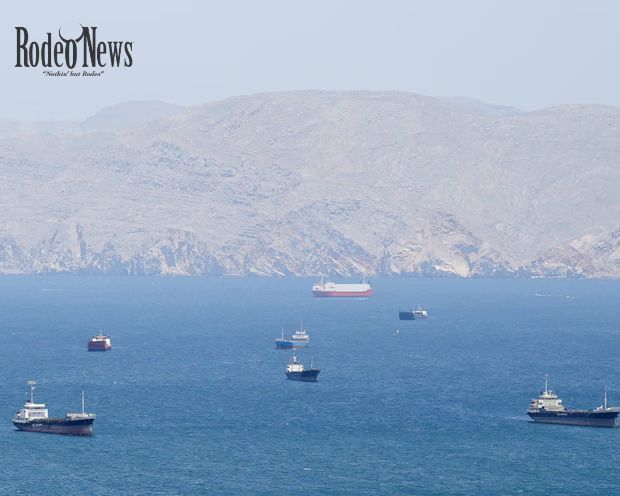
The Strait of Hormuz remains the most critical pressure point in the Middle East crisis. The narrow waterway carries roughly 20% of global oil supply, making it essential to the global economy.
Since the conflict escalated, shipping traffic has dropped dramatically, with only a handful of vessels passing through daily compared to over 100 before the crisis.
The disruption has triggered:
- Rising global oil prices
- Supply chain instability
- Increased insurance costs for shipping
- Panic in energy markets
Analysts warn that prolonged disruption could lead to a global recession, particularly affecting energy-dependent economies.
3. Peace Talks Stall as Diplomacy Falters
Diplomatic efforts to resolve the Middle East crisis appear increasingly fragile. Iran’s foreign minister has been traveling between key countries, including Pakistan and Russia, seeking support and mediation.
During a visit to Moscow, Iran blamed the United States for the failure of negotiations, signaling deep mistrust between the two sides.
Meanwhile, President Trump has taken a firm stance, stating that Iran must initiate contact if it wants to negotiate.
This breakdown in communication has stalled progress, with no clear path forward for peace talks.
4. Violence Continues in Lebanon
While global attention focuses on Iran and the US, the Middle East crisis continues to intensify in Lebanon.
Recent Israeli airstrikes killed at least 14 people, marking the deadliest day since a US-brokered ceasefire began earlier in April.
The ceasefire, intended to reduce tensions between Israel and Hezbollah, has been repeatedly violated by both sides. Ongoing clashes include:
- Airstrikes targeting Hezbollah positions
- Rocket attacks on Israeli forces
- Civilian casualties and displacement
The situation remains highly volatile, with the risk of a broader regional war growing.
5. Global Economic Impact Deepens
The economic consequences of the Middle East crisis are becoming increasingly severe.
The near-closure of the Strait of Hormuz has disrupted oil exports across the Persian Gulf, leading to:
- Oil prices rising significantly
- Reduced economic growth in Gulf countries
- Increased inflation worldwide
Some Gulf economies are now facing their worst downturn since the COVID-19 pandemic.
In addition, global fuel shortages and supply chain disruptions are beginning to affect industries far beyond the energy sector, including agriculture and manufacturing.
Why the Strait of Hormuz Matters So Much
Understanding the Middle East crisis requires recognizing the strategic importance of the Strait of Hormuz.
This narrow passage connects the Persian Gulf to global markets and is essential for transporting oil and gas from major producers like Saudi Arabia, Qatar, and the UAE.
Key facts:
- Around 20% of global oil passes through it
- It is only about 34 km wide at its narrowest point
- Even partial disruption can shake global markets
Because of this, control over the strait has become a central bargaining chip in the conflict.
Military Pressure Continues to Rise
The Middle East crisis is not only diplomatic—it is also heavily militarized.
Since February 2026, the United States and Israel have conducted strikes targeting Iran’s military and nuclear infrastructure. In response, Iran has launched counterattacks on regional targets and threatened shipping routes.
The US has also imposed a naval blockade on Iran, further escalating tensions and complicating negotiations.
Meanwhile, military buildup across the region continues, raising concerns about a potential full-scale war.
A Fragile Ceasefire With Growing Risks
Although a temporary ceasefire exists in parts of the region, including Lebanon, it remains fragile and frequently violated.
Experts warn that without a comprehensive agreement addressing both military and political issues, the Middle East crisis could spiral further out of control.
Key risks include:
- Expansion of conflict into neighboring countries
- Increased attacks on energy infrastructure
- Greater involvement of global powers
What Happens Next?
The future of the Middle East crisis remains uncertain.
Several scenarios are possible:
- Partial Agreement – Iran and the US reach a limited deal on shipping routes but postpone nuclear talks
- Prolonged Stalemate – Negotiations continue without progress, maintaining high tensions
- Escalation – Military conflict intensifies, potentially involving more countries
For now, the situation remains fluid, with developments changing rapidly.
Conclusion: A Crisis With Global Consequences
The Middle East crisis is no longer a regional issue—it is a global one.
From energy markets to international security, the effects are being felt worldwide. Iran’s proposal to reopen the Strait of Hormuz offers a potential path forward, but deep divisions between Tehran and Washington make a quick resolution unlikely.
As diplomacy struggles and violence continues, the world is watching closely—knowing that the outcome of this crisis could shape global stability for years to come.