Iran Hormuz Deal Revealed: 5 Shocking War Updates
The Iran Hormuz deal has emerged as a critical development in the ongoing Middle East crisis, with Tehran offering to ease its control over one of the world’s most vital oil routes. This move comes amid escalating tensions between Iran, the United States, and Israel, as diplomatic efforts struggle to keep pace with military and economic pressures.
According to recent developments, Iran has proposed reopening the Strait of Hormuz—but with a major condition: the United States must lift its blockade, while sensitive nuclear negotiations are postponed.
This proposal could reshape the geopolitical landscape, but significant obstacles remain.
1. Iran’s Hormuz Proposal Sparks Global Attention
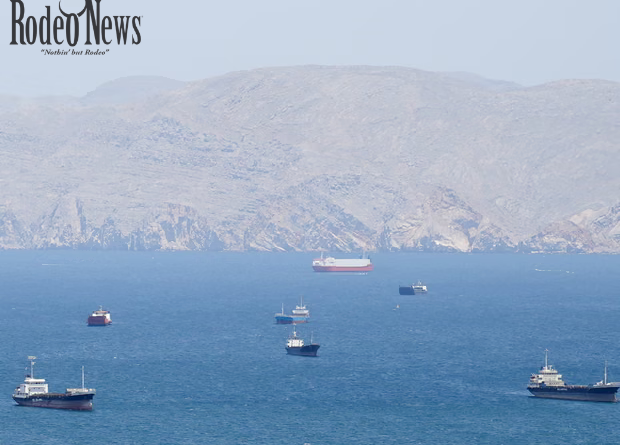
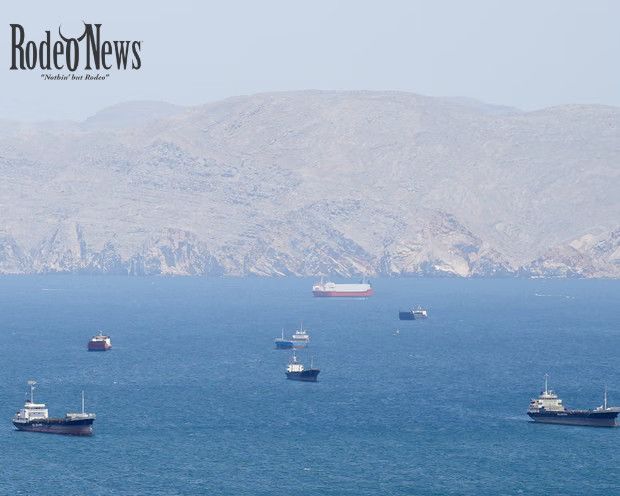
At the center of the crisis is the Strait of Hormuz, a strategic chokepoint through which roughly a fifth of the world’s oil supply typically flows.
Iran’s latest proposal suggests:
- Reopening the strait to global shipping
- Ending immediate hostilities
- Delaying nuclear negotiations to a later stage
However, the proposal does not address Iran’s nuclear program, which remains a core demand for the United States.
This omission is a major sticking point and could derail any potential agreement.
2. US Rejects Partial Deal Approach
The United States, led by President Donald Trump, has taken a firm stance. Washington insists that any agreement must include:
- Limits on Iran’s nuclear program
- Long-term guarantees for regional stability
- Secure shipping routes through Hormuz
Trump has publicly stated that Iran must initiate serious negotiations, signaling reluctance to accept partial or phased deals.
This fundamental disagreement has led to stalled talks and increasing uncertainty.
3. Strait of Hormuz Crisis Disrupts Global Oil Supply
The economic impact of the crisis is already being felt worldwide.
Key developments include:
- Severely reduced shipping traffic through the strait
- Rising oil prices due to supply uncertainty
- Increased volatility in global financial markets
Recent data shows that only a handful of ships are passing through Hormuz daily, compared to around 140 before the conflict.
Meanwhile, analysts predict oil prices could surge further if the standoff continues, intensifying inflation and economic strain globally.
4. Diplomatic Efforts Expand Across Regions
Iran is actively pursuing diplomatic channels beyond direct talks with the United States.
Recent movements include:
- Visits by Iran’s foreign minister to Russia
- Mediation efforts by Pakistan and Oman
- Regional consultations to build support for Iran’s proposal
These efforts highlight Tehran’s strategy to strengthen its negotiating position while avoiding direct concessions on nuclear issues.
However, despite increased diplomatic activity, no breakthrough has been achieved.
5. Lebanon and Israel Tensions Complicate Peace Talks
The broader regional conflict is adding another layer of complexity.
Key concerns:
- Israeli strikes in Lebanon have escalated tensions
- Iran demands stability in Lebanon as part of any deal
- Ceasefire agreements remain fragile
Recent reports indicate casualties from Israeli attacks, further undermining trust and making negotiations more difficult.
This interconnected conflict means that progress in one area depends heavily on stability in another.
The Bigger Picture: A Fragile Global Balance
The Iran Hormuz deal proposal reflects a deeper geopolitical struggle involving:
- Energy security
- Nuclear non-proliferation
- Regional power dynamics
The Strait of Hormuz is not just a regional issue—it is a global lifeline. Any disruption has ripple effects across:
- Fuel prices
- Trade routes
- Economic stability
At the same time, the United States faces domestic and international pressure to resolve the conflict without compromising its strategic objectives.
What Happens Next?
Several possible scenarios could unfold:
1. Limited Agreement
A short-term deal could reopen Hormuz but leave core issues unresolved.
2. Continued Stalemate
Negotiations may remain frozen, prolonging economic and military tensions.
3. Escalation
Failure to reach an agreement could lead to renewed military action.
At present, the situation remains highly volatile, with no clear resolution in sight.
Conclusion
The Iran Hormuz deal represents a pivotal moment in the 2026 Middle East crisis. While it offers a potential path to easing global economic pressure, its limitations—especially the exclusion of nuclear negotiations—pose significant challenges.
With diplomacy stalled, oil markets shaken, and regional tensions rising, the world is watching closely.
The coming weeks will determine whether this proposal becomes a breakthrough—or just another missed opportunity in an increasingly complex conflict.