Kevin Warsh Fed Nomination Enters a Critical Phase
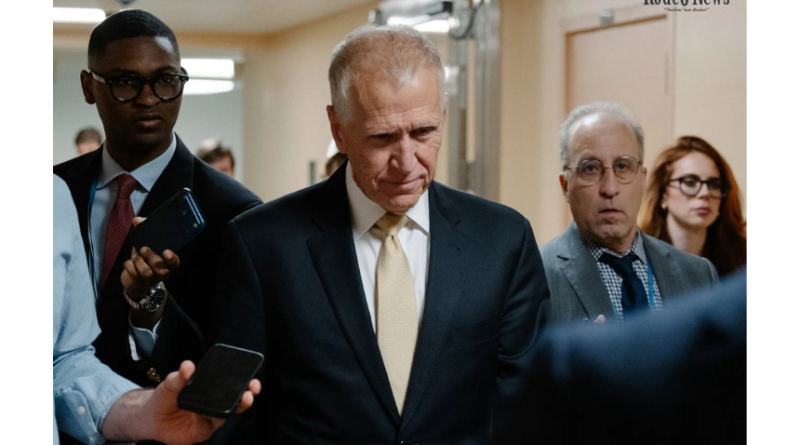
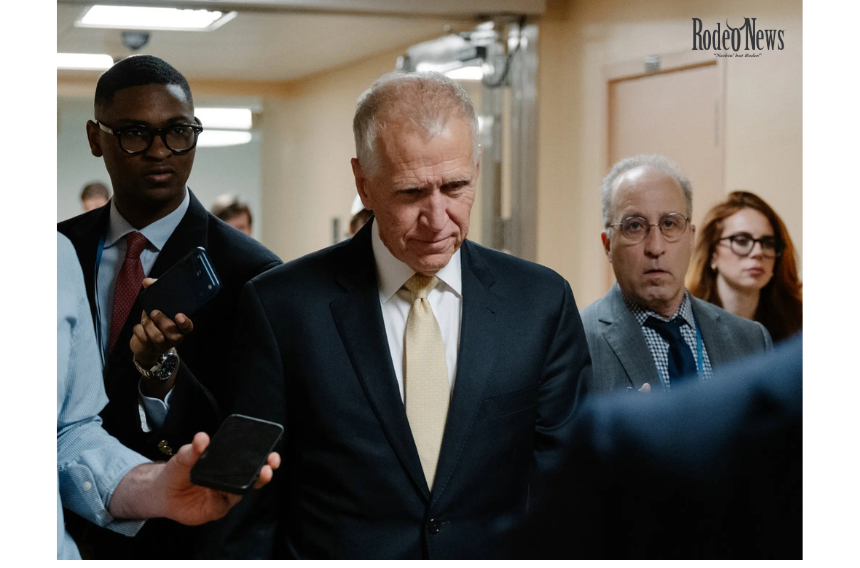
The Kevin Warsh Fed Nomination has reached a decisive turning point after a key political reversal in Washington. Senator Thom Tillis, whose opposition had stalled the process for months, announced he would now support advancing the nomination.
This shift comes after the U.S. Department of Justice dropped its criminal investigation into Federal Reserve Chair Jerome Powell, a probe that had triggered concerns about political interference in monetary policy.
With this major obstacle removed, momentum has rapidly built behind Warsh’s potential confirmation, placing the future direction of the Federal Reserve at the center of national and global attention.
A Sudden Political Reversal Changes Everything
The Kevin Warsh Fed Nomination had previously been locked in political deadlock. Senator Tillis, a Republican member of the Senate Banking Committee, had refused to back any nominee while the investigation into Powell remained active.
His stance carried significant weight. Given the narrow partisan balance in the committee, even a single dissenting vote could halt the nomination process entirely.
However, once the Justice Department formally closed its probe, Tillis reversed course. He stated that his concerns about protecting the independence of the Federal Reserve had been addressed, clearing the way for the nomination to proceed.
This decision effectively removed the most critical barrier facing Warsh.
The Investigation That Sparked the Standoff
At the heart of the controversy was a federal investigation into Jerome Powell, centered on cost overruns related to a renovation of the Federal Reserve’s headquarters.
The probe raised serious concerns across political lines. Critics argued it risked undermining the credibility and independence of the central bank. Some lawmakers suggested it could be used as leverage to pressure Powell into stepping down.
The situation escalated tensions between policymakers and fueled a broader debate about the relationship between politics and monetary policy.
Ultimately, the Justice Department decided to drop the criminal case and transfer the matter to the Federal Reserve’s internal watchdog. This move defused the immediate political crisis and reopened the path for the Kevin Warsh Fed Nomination.
Why Kevin Warsh Is a Controversial Choice
The Kevin Warsh Fed Nomination is not just about filling a leadership position—it represents a potential shift in economic philosophy.
Warsh, a former Federal Reserve governor, has built a reputation for advocating changes to traditional monetary policy frameworks. He has suggested rethinking inflation metrics and adopting more flexible approaches to interest rates.
Supporters argue that these ideas could modernize the central bank and better equip it to handle evolving economic challenges.
However, critics remain skeptical. Some lawmakers, particularly Democrats, worry that Warsh could align too closely with political priorities, especially given ongoing pressure from former President Donald Trump to lower interest rates.
This tension underscores the broader stakes of the nomination.
Concerns Over Federal Reserve Independence
The independence of the Federal Reserve has become a central issue in the Kevin Warsh Fed Nomination debate.
Traditionally, the Fed operates independently from political influence to ensure objective decision-making. This independence is widely seen as essential for maintaining economic stability.
Yet recent events have raised concerns. The investigation into Powell, combined with political pressure surrounding the nomination, has prompted fears that this independence could be weakened.
Democratic lawmakers, including prominent figures in the Senate, have voiced strong opposition. They argue that confirming Warsh under these circumstances could set a dangerous precedent for political involvement in central banking.
Meanwhile, Warsh has attempted to address these concerns by pledging that he would act independently if confirmed.
The Tight Timeline Facing Lawmakers
Time is a critical factor in the Kevin Warsh Fed Nomination process.
Jerome Powell’s term as Federal Reserve Chair is set to expire on May 15, leaving lawmakers with a narrow window to confirm a successor.
The Senate Banking Committee is expected to vote soon, potentially sending the nomination to the full Senate for final approval.
Given the slim Republican majority, the outcome could hinge on a small number of votes. However, with Tillis now on board, the path to confirmation appears significantly clearer.
Market Reactions and Economic Implications
Financial markets have been closely monitoring developments surrounding the Kevin Warsh Fed Nomination.
Investors understand that leadership at the Federal Reserve directly influences interest rates, inflation control, and overall economic stability.
Some analysts predict that Warsh’s approach could lead to a more flexible monetary policy framework. Others caution that uncertainty during the transition could introduce volatility in financial markets.
Regardless of the outcome, the nomination highlights the critical role of central banking in shaping economic conditions both domestically and globally.
Global Impact of the Decision
The implications of the Kevin Warsh Fed Nomination extend far beyond the United States.
As the world’s largest economy, U.S. monetary policy has a profound influence on global markets. Decisions made by the Federal Reserve affect currencies, trade flows, and investment strategies worldwide.
Therefore, international observers are closely watching the confirmation process. Many view it as a signal of how the United States intends to navigate future economic challenges.
What Happens Next?
With the major political hurdle removed, the Kevin Warsh Fed Nomination is expected to move quickly through the remaining مراحل of the confirmation process.
The Senate Banking Committee will likely vote in the coming days. If approved, the nomination will proceed to a full Senate vote.
While challenges remain, particularly from opposition lawmakers, the overall trajectory now favors confirmation.
Conclusion: A Defining Moment for U.S. Economic Policy
The Kevin Warsh Fed Nomination represents a pivotal moment in the evolution of U.S. economic leadership.
Senator Tillis’s decision to support the nomination has transformed the political landscape, accelerating a process that once seemed stalled indefinitely.
At stake is more than just a leadership change. The outcome will shape the direction of monetary policy, influence global markets, and test the resilience of the Federal Reserve’s independence.
As the confirmation process unfolds, policymakers, investors, and international observers alike will be watching closely. The decisions made in the coming weeks could have lasting consequences for the global economy.