Iran Ceasefire Talks Collapse: 5 Key Reasons Revealed
The latest round of Iran ceasefire talks has collapsed before meaningful negotiations could even begin, marking a major setback in efforts to ease tensions between the United States and Iran. The abrupt cancellation of a planned diplomatic mission to Pakistan highlights the fragile and deeply divided nature of the current geopolitical landscape.
The failed talks underscore not only disagreements over policy but also a deeper breakdown in diplomatic trust. As global markets react and regional tensions simmer, the world is once again reminded of how precarious peace in the Middle East remains.
A Diplomatic Mission That Never Happened
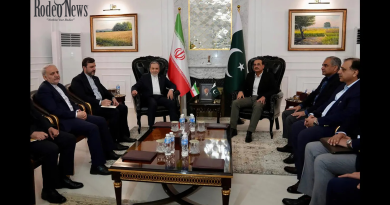
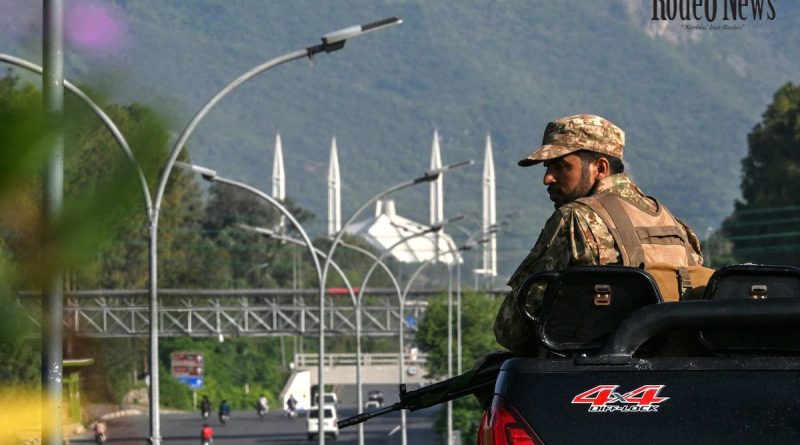
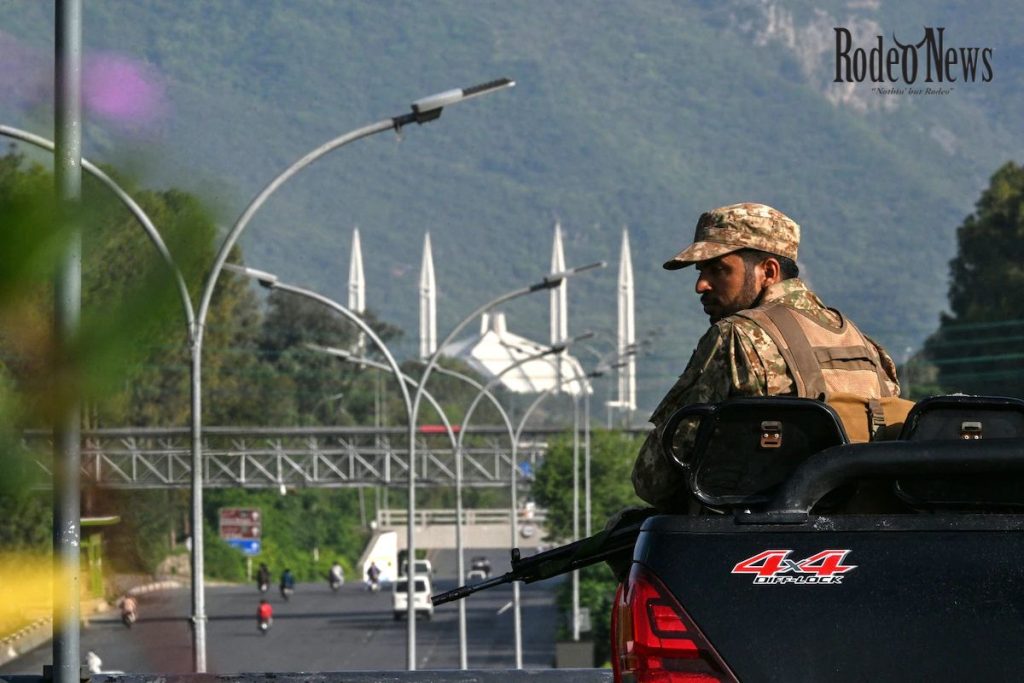
The United States had planned to send senior envoys to Pakistan to engage in indirect negotiations with Iran. However, the trip was suddenly called off, effectively halting what many hoped would be a critical step toward de-escalation.
Pakistan, positioned as a neutral mediator, had been hosting preliminary discussions. Yet, even before the American delegation could arrive, it became clear that expectations between the parties were misaligned.
Iranian officials indicated that no direct talks with the United States were scheduled, contradicting earlier assumptions from Washington. This mismatch in expectations ultimately doomed the initiative.
Why Iran Ceasefire Talks Failed
1. Refusal of Direct Negotiations
One of the central reasons for the collapse of the Iran ceasefire talks is Tehran’s firm stance against direct engagement with Washington.
Iran has consistently maintained that it prefers indirect diplomacy, often conducted through intermediaries like Pakistan or Oman. This approach reflects longstanding mistrust and political sensitivities rooted in decades of strained relations.
However, from the U.S. perspective, meaningful progress requires direct dialogue. The absence of this fundamental agreement created an immediate barrier.
2. Clashing Political Demands
Another major obstacle lies in the conflicting demands of both sides.
The United States is reportedly seeking significant concessions, particularly concerning Iran’s regional influence and nuclear ambitions. These demands are viewed by Iran as excessive and unrealistic.
Tehran has labeled such conditions as “maximalist,” arguing that they undermine the possibility of fair negotiations. Without a middle ground, the talks were unlikely to succeed.
3. Escalating Strait of Hormuz Tensions
The Strait of Hormuz has become a flashpoint in the ongoing conflict, further complicating the Iran ceasefire talks.
This narrow waterway is one of the world’s most critical النفط النقل routes, with a significant portion of global oil supply passing through it. Recent incidents involving ship seizures and military posturing have heightened tensions dramatically.
Such actions not only disrupt global trade but also erode trust between the negotiating parties. As a result, diplomatic efforts are overshadowed by ongoing confrontations.
Image ALT Text: Iran ceasefire talks crisis in Strait of Hormuz
4. Lack of Unified Diplomatic Framework
A successful negotiation requires a clear structure, timeline, and mutual understanding of objectives. Unfortunately, the Iran ceasefire talks lacked these essential elements.
While the United States appeared to anticipate a structured dialogue, Iran approached the situation more cautiously, focusing on bilateral discussions with mediators.
This lack of alignment created confusion and ultimately led to the cancellation of the planned meeting.
5. Ongoing Military Pressure
Diplomacy rarely thrives in an environment of active military tension. In this case, continued hostilities have significantly undermined the peace process.
Recent military actions, including strategic maneuvers and economic pressure tactics, have reinforced a climate of distrust. Each side remains wary of the other’s intentions, making compromise increasingly difficult.
As long as these pressures persist, the chances of reviving the Iran ceasefire talks remain slim.
Pakistan’s Role as a Mediator
Pakistan’s involvement in the Iran ceasefire talks highlights its growing importance in regional diplomacy.
As a country maintaining relationships with both Washington and Tehran, Pakistan is uniquely positioned to facilitate dialogue. However, its role is also challenging.
The failure of this round of talks places Pakistan in a difficult position. While it continues to advocate for peaceful resolution, its ability to influence outcomes is limited by the broader geopolitical dynamics.
Global Impact of the Failed Talks
The collapse of the Iran ceasefire talks has far-reaching implications beyond the immediate region.
Energy Markets Under Pressure
The Strait of Hormuz is vital for global energy supplies. Any disruption in this area can lead to significant fluctuations in oil prices.
Following the breakdown of talks, markets have shown increased volatility. Investors remain cautious, anticipating further instability.
Rising Geopolitical Uncertainty
The failure also contributes to a broader sense of uncertainty in international relations. Allies and adversaries alike are closely monitoring the situation.
Countries dependent on Middle Eastern stability are particularly concerned about the potential for escalation.
What Happens Next?
Despite the setback, the door to diplomacy is not entirely closed.
Iran is reportedly exploring alternative diplomatic channels, including engagement with regional powers. Meanwhile, the United States may reassess its strategy and approach.
However, any future progress will require significant adjustments from both sides.
Can Iran Ceasefire Talks Be Revived?
Reviving the Iran ceasefire talks will not be easy, but it is not impossible.
Several factors could influence a renewed effort:
- A reduction in military tensions
- Greater flexibility in negotiation terms
- Stronger mediation frameworks
- Increased international pressure for peace
Without these changes, the prospects for meaningful dialogue remain uncertain.
The Bigger Picture
The collapse of the Iran ceasefire talks is more than just a failed meeting. It reflects deeper structural issues in international diplomacy.
At its core, the situation highlights a fundamental problem: the absence of trust. Without trust, even the most well-intentioned negotiations are likely to falter.
Furthermore, the ongoing conflict demonstrates how interconnected global systems are. A dispute in one region can have ripple effects across economies, politics, and societies worldwide.
Conclusion
The sudden breakdown of the Iran ceasefire talks serves as a stark reminder of the complexities of modern diplomacy.
While the cancellation of the Pakistan meeting is a setback, it also presents an opportunity for reflection and recalibration. Both the United States and Iran must reconsider their strategies if they hope to achieve lasting peace.
For now, the situation remains tense, uncertain, and closely watched by the international community.