The Progress 95 launch marked another critical milestone in ongoing efforts to sustain human life aboard the International Space Station (ISS). On April 25, 2026, a Russian Soyuz rocket successfully lifted off from Kazakhstan, carrying a vital cargo spacecraft packed with essential supplies. The mission highlights not only the reliability of Russia’s Progress program but also the continued international collaboration required to keep the ISS operational.
A Successful Liftoff from Baikonur
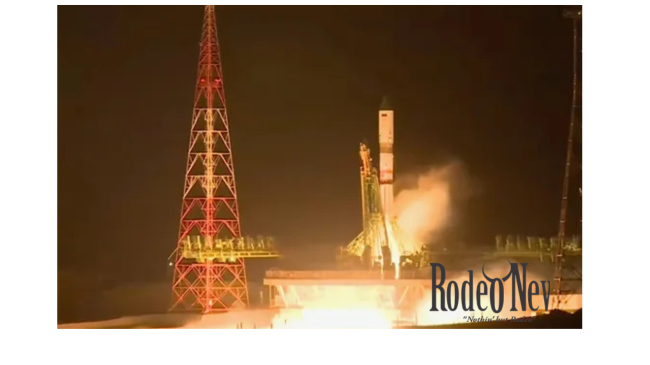
The Progress 95 spacecraft launched aboard a Soyuz-2.1a rocket from the Baikonur Cosmodrome in Kazakhstan. Liftoff occurred at 6:21 p.m. EDT (2221 GMT), corresponding to early morning local time on April 26.
This launch represents the second Progress mission of 2026, reinforcing a steady cadence of resupply operations to the ISS. The spacecraft, also known as Progress MS-34, is part of a long-running series of uncrewed cargo missions operated by Russia’s space agency, Roscosmos.
Delivering 3 Tons of Critical Supplies
At the heart of the Progress 95 launch is its cargo—approximately three tons of supplies destined for astronauts aboard the ISS.
These supplies include:
- Food and consumables for crew members
- Fuel for station propulsion and orbital adjustments
- Water and oxygen to sustain life-support systems
- Scientific equipment and maintenance tools
Such deliveries are essential for long-duration missions in orbit. Without regular resupply, astronauts would quickly exhaust the resources needed for survival and research.
Docking Timeline and Mission Plan
Following launch, Progress 95 began a carefully choreographed journey to the ISS. The spacecraft is expected to dock with the orbiting laboratory approximately two days after liftoff.
Docking is scheduled for April 27 at around 8 p.m. EDT (0000 GMT on April 28).
The spacecraft will attach to a docking port previously occupied by Progress 93, which undocked earlier in April to make room for the new arrival. This rotation ensures a continuous flow of supplies without overcrowding the station’s limited docking ports.
Why the Progress Program Matters
The Progress spacecraft has been a cornerstone of space logistics for decades. First introduced in the Soviet era, it remains one of the most reliable cargo delivery systems in spaceflight history.
Unlike crewed spacecraft, Progress vehicles are fully automated and expendable. They are designed to:
- Deliver cargo to space stations
- Transfer fuel and gases directly to onboard systems
- Adjust the station’s orbit using onboard thrusters
- Dispose of waste by burning up in Earth’s atmosphere
This multifunctional capability makes Progress missions indispensable for maintaining the ISS.
A Tight Resupply Schedule in 2026
The Progress 95 launch comes during a particularly busy year for ISS logistics. Earlier in March, Progress 94 successfully reached the station, despite minor technical issues.
The quick turnaround between missions reflects a broader effort to stabilize supply chains following disruptions in late 2025. A launch pad accident at Baikonur had temporarily delayed operations, forcing agencies to adjust schedules and prioritize essential deliveries.
By April 2026, those delays had been largely resolved, allowing missions like Progress 95 to proceed on time.
The Role of Soyuz Rockets
The Soyuz rocket used in the Progress 95 launch is one of the most trusted launch vehicles in the world. Known for its reliability and long operational history, Soyuz has been a backbone of both crewed and uncrewed missions.
In this case, the Soyuz-2.1a variant provided the necessary thrust to place the cargo spacecraft into low Earth orbit. From there, Progress 95 initiated its autonomous navigation sequence toward the ISS.
Supporting Astronauts in Orbit
Life aboard the ISS depends heavily on missions like the Progress 95 launch. Astronauts rely on a constant stream of supplies to:
- Conduct scientific experiments
- Maintain station systems
- Ensure their health and safety
Each cargo delivery also includes specialized equipment for ongoing research. These experiments often focus on microgravity effects, materials science, and biological studies—areas that cannot be replicated on Earth.
International Collaboration in Space
Although Progress missions are operated by Russia, they are part of a broader international effort. The ISS itself is a joint project involving multiple space agencies, including NASA, ESA, JAXA, and Roscosmos.
Cargo missions from different countries complement each other. For example:
- Russia provides Progress spacecraft
- The United States uses commercial cargo vehicles
- Japan contributes HTV missions
This collaborative approach ensures redundancy and resilience in space operations.
What Happens After Docking?
Once Progress 95 docks with the ISS, astronauts will begin unloading its cargo. This process typically takes several days and involves carefully transferring supplies into the station.
After completing its delivery mission, the spacecraft will remain docked for several months. During this time, it may also be used to:
- Boost the station’s orbit
- Store waste materials
Eventually, Progress 95 will undock and re-enter Earth’s atmosphere, where it will safely burn up along with discarded waste.
The Bigger Picture: Sustaining Space Exploration
The Progress 95 launch is more than just a routine supply mission. It represents a critical link in the chain that makes long-term human presence in space possible.
As space agencies look toward future missions—such as lunar bases and Mars exploration—the importance of reliable cargo delivery systems will only grow. Lessons learned from ISS resupply missions are already shaping the next generation of spacecraft.
Looking Ahead
With Progress 95 successfully on its way, attention now turns to upcoming missions in 2026. Additional cargo flights, both Russian and international, are scheduled to ensure the ISS remains fully stocked.
These missions will continue to support Expedition crews as they conduct groundbreaking research and maintain the station’s operations.
Conclusion
The Progress 95 launch underscores the importance of consistent and reliable space logistics. By delivering three tons of essential supplies to the ISS, the mission ensures that astronauts can continue their work in orbit without interruption.
As space exploration advances, missions like this will remain a cornerstone of human activity beyond Earth—quietly but critically enabling every experiment, discovery, and step forward in space.