iPhone 20 Micro-Curved OLED: Apple’s Boldest Redesign Yet
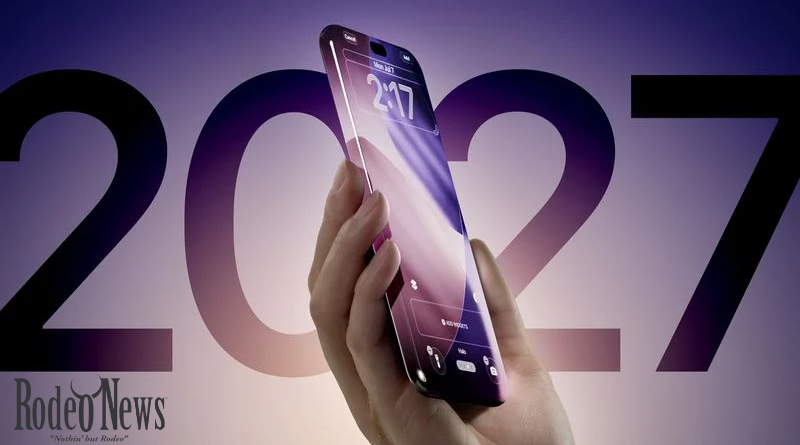
Apple is reportedly preparing one of its most radical smartphone transformations yet with the iPhone 20 micro-curved OLED, a next-generation display technology expected to debut in 2027. According to recent supply chain leaks, the company is working closely with Samsung to develop a thinner, brighter, and more immersive display that could redefine how users interact with smartphones.
This upcoming device, expected to celebrate the iPhone’s 20th anniversary, may go far beyond incremental upgrades. Instead, Apple appears to be targeting a near science-fiction design: a seamless slab of glass with virtually no bezels, no cutouts, and a display that curves subtly around all four edges.
A New Era: What Is Micro-Curved OLED?
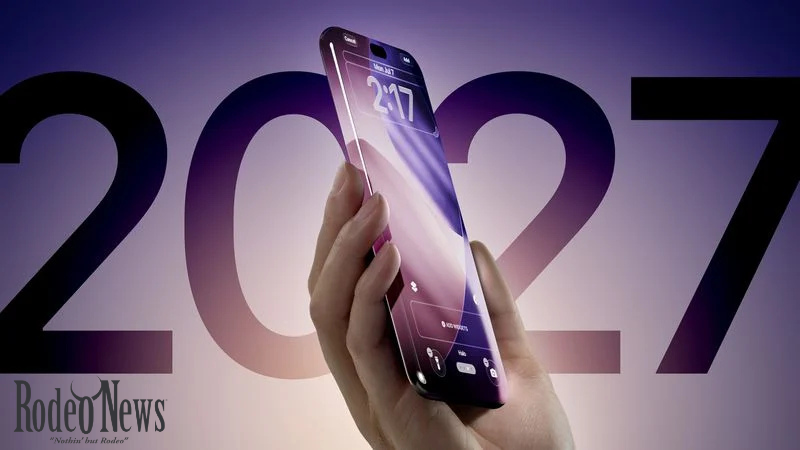
The centerpiece of this redesign is the micro-curved OLED panel, a refined version of curved display technology. Unlike aggressive “waterfall” screens seen in some smartphones, Apple is reportedly opting for subtle, shallow curves that improve usability rather than compromise it.
This approach offers several advantages:
- Improved ergonomics: Softer edges make the device more comfortable to hold
- Better touch interaction: Natural swipe gestures from edges
- Minimal distortion: Preserves visual clarity across the screen
The goal is to deliver a futuristic look without sacrificing practicality—a balance Apple has historically prioritized in its design philosophy.
Fully Bezel-Less Vision Becomes Reality
One of the most exciting aspects of the iPhone 20 micro-curved OLED is its potential to eliminate bezels entirely. Reports suggest Apple is exploring a quad-curved display that wraps around all four sides of the device.
This could result in:
- A true edge-to-edge viewing experience
- A more immersive display for media and gaming
- A design that resembles a single piece of glass
Such a move would mark Apple’s biggest visual leap since the iPhone X, which introduced the first major all-screen design shift in 2017.
Thinner and Brighter With COE Technology
Another major innovation tied to the iPhone 20 micro-curved OLED is the adoption of Color Filter on Encapsulation (COE) technology. This advanced OLED design removes the traditional polarizing layer, allowing more light to pass through the display.
Key benefits include:
- Increased brightness without higher power consumption
- Reduced display thickness, enabling slimmer devices
- Improved energy efficiency, extending battery life
By eliminating the polarizer, Apple can create a display that is both more efficient and visually striking. However, this also introduces challenges, particularly in managing reflections—something Apple is reportedly addressing with enhanced anti-reflective coatings.
Uniform Brightness With Advanced Light Diffusion
Apple is also said to be developing a crater-shaped light diffusion layer to ensure consistent brightness across the entire screen.
This innovation addresses a common issue with curved displays: uneven lighting near the edges. By evenly distributing light, Apple aims to maintain:
- Consistent color accuracy
- Uniform brightness from corner to corner
- A premium visual experience
This detail highlights Apple’s focus not just on aesthetics, but also on display quality.
The Push Toward an All-Glass iPhone
The iPhone 20 micro-curved OLED is part of a broader ambition: creating a true all-glass iPhone. Reports indicate Apple wants a device with no visible interruptions on the front—no notch, no Dynamic Island, and possibly no visible sensors.
Achieving this vision depends on several technologies:
- Under-display Face ID
- Under-screen front camera
- Advanced sensor integration beneath the display
While some analysts believe these features may not be fully ready by 2027, Apple is actively testing them, keeping the possibility open.
Challenges Apple Must Overcome
Despite the excitement, the iPhone 20 micro-curved OLED comes with significant technical hurdles:
1. Reflection Management
Removing the polarizer increases brightness but also makes reflections harder to control.
2. Durability Concerns
A fully curved, bezel-less design could be more fragile and harder to protect with cases.
3. Component Integration
Embedding cameras and sensors under the display without compromising quality remains a major challenge.
4. Manufacturing Complexity
Producing quad-curved OLED panels at scale is both expensive and technically demanding.
These challenges explain why Apple is collaborating closely with Samsung, a leader in OLED technology.
Why This Matters: A Defining Moment for Apple
The iPhone 20 micro-curved OLED is not just another upgrade—it represents a potential turning point for the smartphone industry.
Apple has historically used milestone anniversaries to introduce major innovations:
- iPhone (2007): Introduced the modern smartphone
- iPhone X (2017): Removed the home button and introduced Face ID
- iPhone 20 (2027): Could redefine the concept of a smartphone display
If these rumors materialize, the iPhone 20 could set a new standard for design, much like its predecessors did.
Competitive Impact on the Smartphone Industry
Apple’s move toward micro-curved OLED displays could influence the entire market. While some Android devices have already experimented with curved screens, Apple’s implementation focuses on refinement rather than extremes.
Potential industry impacts include:
- Increased adoption of subtle curved displays
- Greater emphasis on bezel-less designs
- Accelerated development of under-display technologies
Competitors may be forced to rethink their design strategies to keep up.
Expected Release Timeline
The iPhone 20 micro-curved OLED is expected to launch in September 2027, aligning with the iPhone’s 20th anniversary.
However, as with all early leaks, details may change. Apple is known for refining its designs until the final stages of development.
What Users Can Expect
If Apple delivers on these rumors, users can expect:
- A visually stunning, all-glass design
- A brighter, thinner, and more efficient display
- A completely immersive viewing experience
- Potentially no visible front-facing hardware
This would make the iPhone 20 one of the most futuristic consumer devices ever released.
Internal Link
For more Apple updates, visit:
👉 https://yourwebsite.com/apple-news
External Link
Source:
👉 https://www.macrumors.com/2026/04/24/20th-anniversary-iphone-micro-curved-oled-panel/
Conclusion: A Glimpse Into the Future
The iPhone 20 micro-curved OLED is shaping up to be more than just a new smartphone—it could be a statement about the future of technology. By combining cutting-edge display innovations with a bold design philosophy, Apple is once again aiming to redefine what a smartphone can be.
While challenges remain, the direction is clear: thinner, brighter, and more seamless devices that blur the line between hardware and pure glass.
If successful, the iPhone 20 may not just celebrate Apple’s past—it could set the tone for the next decade of