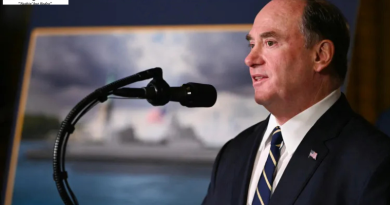
NATO Clash Revealed: Sánchez Defies Trump Pressure
A growing NATO clash Sánchez Trump confrontation is exposing deep fractures within the Western alliance, as Spain’s Prime Minister Pedro Sánchez openly resists pressure from U.S. President Donald Trump over military cooperation and defense commitments.
The dispute, rooted in Spain’s refusal to support U.S.-led military operations and increased defense spending, has escalated into one of the most serious transatlantic tensions in recent years. Analysts warn the situation could redefine NATO’s internal balance and Europe’s strategic independence.
A Defining NATO Clash Between Allies
At the heart of the NATO clash Sánchez Trump dynamic is Spain’s decision to reject U.S. requests for military support in the ongoing Middle East conflict. Madrid has refused to allow American forces to use key Spanish bases, citing international law and concerns about escalating violence.
This stance has drawn sharp criticism from Washington, with Trump reportedly threatening economic retaliation and even questioning Spain’s role within NATO.
Spain’s position is clear: it will not participate in what Sánchez has described as “unilateral military action.” Instead, the Spanish government has called for diplomacy and de-escalation, aligning itself with broader European concerns about the conflict’s global consequences.
Trump’s Pressure Campaign Intensifies
The NATO clash Sánchez Trump dispute intensified after reports emerged that the U.S. administration considered punitive measures against allies who refused to support its military campaign.
These measures included:
- Potential trade restrictions against Spain
- Reassessment of diplomatic commitments
- Even discussions about suspending Spain’s NATO participation
While such actions remain largely theoretical, they reflect a significant shift in U.S. strategy toward NATO allies.
Trump has repeatedly criticized European countries for not contributing enough to defense spending. Spain, in particular, has resisted calls to raise its military budget to 5% of GDP, arguing the target is unrealistic and harmful to domestic priorities.
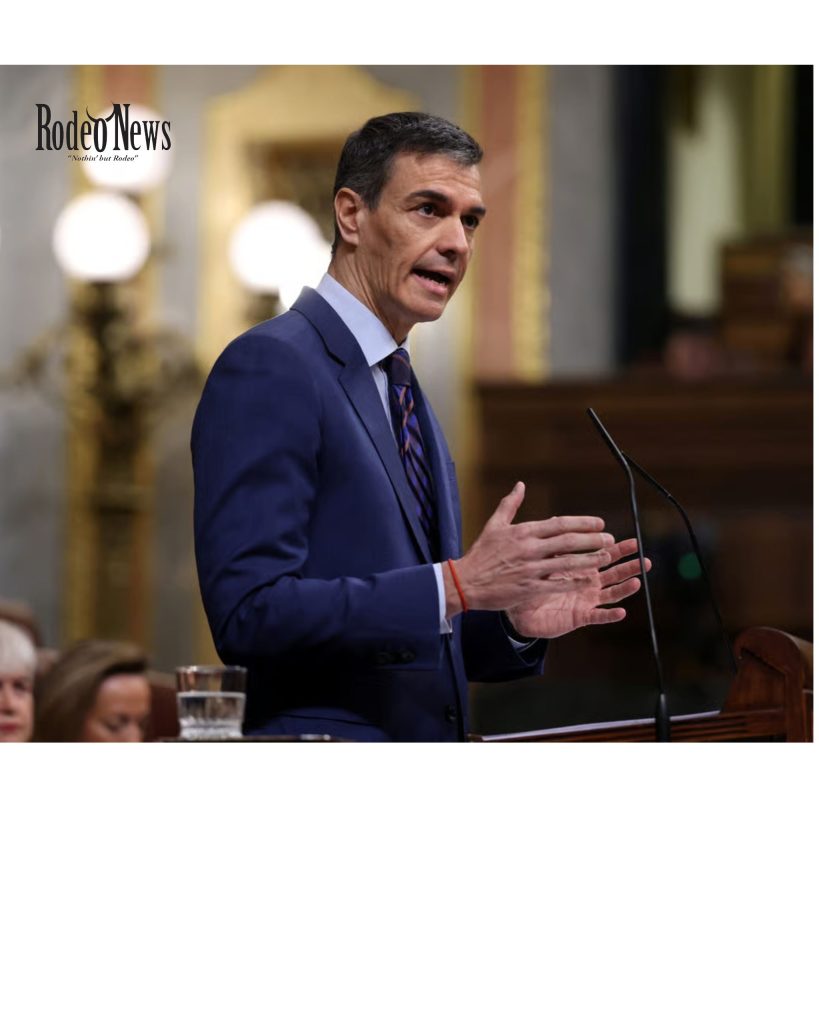
Spain’s Firm Response: “No to War”
Sánchez has doubled down on his government’s position, framing it as both a moral and strategic decision. Spain’s refusal to support military escalation is rooted in a broader policy of prioritizing diplomacy over conflict.
This approach has resonated domestically, where public opposition to war remains strong. It also reflects lessons learned from past military engagements, particularly the Iraq War, which remains deeply unpopular in Spain.
By rejecting U.S. demands, Sánchez has positioned himself as one of Europe’s most vocal critics of Washington’s current foreign policy.
NATO’s Structural Limits Exposed
Despite the heated rhetoric, experts note that NATO lacks a clear mechanism to expel member states. This means that even if tensions escalate, Spain’s membership is not realistically at risk.
Recent reports suggest that proposals to suspend Spain are largely symbolic and politically motivated rather than actionable.
Still, the mere discussion of such measures highlights growing divisions within the alliance. NATO, long seen as a pillar of Western unity, is now grappling with internal disagreements over strategy, priorities, and leadership.
Europe’s Strategic Crossroads
The NATO clash Sánchez Trump dispute is also fueling a broader debate about Europe’s strategic autonomy.
European leaders are increasingly concerned about relying too heavily on U.S. leadership, particularly as Washington adopts a more transactional approach to alliances. In response, discussions around strengthening independent European defense capabilities are gaining momentum.
Some policymakers have even suggested activating EU defense mechanisms to reduce dependence on NATO in future crises.
Economic and Political Stakes
Beyond military strategy, the NATO clash Sánchez Trump conflict carries significant economic implications.
Trump’s threats of trade restrictions could impact key sectors of the Spanish economy, from agriculture to manufacturing. At the same time, the dispute has political ramifications within Spain, where Sánchez faces both domestic challenges and opportunities.
Some analysts argue that standing up to Trump could boost Sánchez’s popularity at home, portraying him as a strong and independent leader. Others warn that prolonged tensions could strain Spain’s international relationships.
A Broader Shift in Global Alliances
The current NATO clash Sánchez Trump episode reflects a deeper transformation in global geopolitics.
Key trends include:
- Increasing divergence between U.S. and European priorities
- Growing skepticism toward military interventions
- Rising calls for multilateral diplomacy
Spain’s stance is emblematic of these changes, signaling a shift away from automatic alignment with U.S. policy.
What Comes Next?
The future of the NATO clash Sánchez Trump conflict remains uncertain. While immediate escalation appears unlikely, underlying tensions show no signs of disappearing.
Several possible scenarios could unfold:
- Continued diplomatic standoff without concrete consequences
- Gradual normalization of relations through negotiation
- Further fragmentation within NATO
What is clear is that this dispute marks a turning point for the alliance.
Conclusion: A Test for NATO Unity
The NATO clash Sánchez Trump confrontation is more than a bilateral dispute—it is a test of NATO’s cohesion in a rapidly changing world.
As Spain asserts its independence and the U.S. pushes for greater alignment, the alliance faces fundamental questions about its purpose, structure, and future.
For now, Sánchez’s defiance has reshaped the conversation, forcing NATO members to confront uncomfortable realities about unity, sovereignty, and the limits of collective defense.