
FULL ARTICLE (SEO OPTIMIZED – 1200+ WORDS)
49ers Draft Trades 2026: Bold Move Reshapes First Round Strategy
The 49ers draft trades 2026 strategy has become one of the most discussed storylines of the NFL Draft after San Francisco made the rare decision to exit the first round entirely. Instead of selecting at No. 27 overall, the franchise executed two separate trade-downs, accumulating additional draft capital and positioning itself for a strong start on Day 2.
This aggressive approach reflects a calculated decision by general manager John Lynch and head coach Kyle Shanahan, who believed the value on the board no longer justified a first-round selection.
Why the 49ers Traded Out of Round 1
The turning point came when the 49ers’ internal draft board began to thin out earlier than expected. According to team evaluations, the pool of players graded as true first-round talent was already depleted by the time San Francisco was on the clock.
Rather than reaching for a lower-graded prospect, the front office chose to pivot.
As part of the 49ers draft trades 2026 strategy, the team executed two key moves:
- Traded No. 27 overall to Miami
- Received No. 30 and a third-round pick (No. 90), while giving up No. 138
- Then traded No. 30 to the New York Jets
- Received No. 33 overall (first pick of Round 2) and No. 179
The result: San Francisco exits Round 1 with more picks and flexibility, rather than a single mid-tier first-round player.
Strategic Logic Behind the Decision
The reasoning behind the move is rooted in roster construction philosophy.
John Lynch has repeatedly emphasized that when the draft board flattens, it becomes difficult to justify staying put. In this case, evaluators described the remaining prospects as a “homogeneous” group — meaning there was little separation in talent between late first-round and early second-round options.
This created a scenario where trading down was not just an option — it was the optimal value play.
The 49ers draft trades 2026 approach also reflects another key factor: limited draft capital. Entering the draft with only six total selections, San Francisco prioritized volume over prestige.
Risk vs Reward: What the 49ers Gave Up
While the move added flexibility, it also came with clear trade-offs.
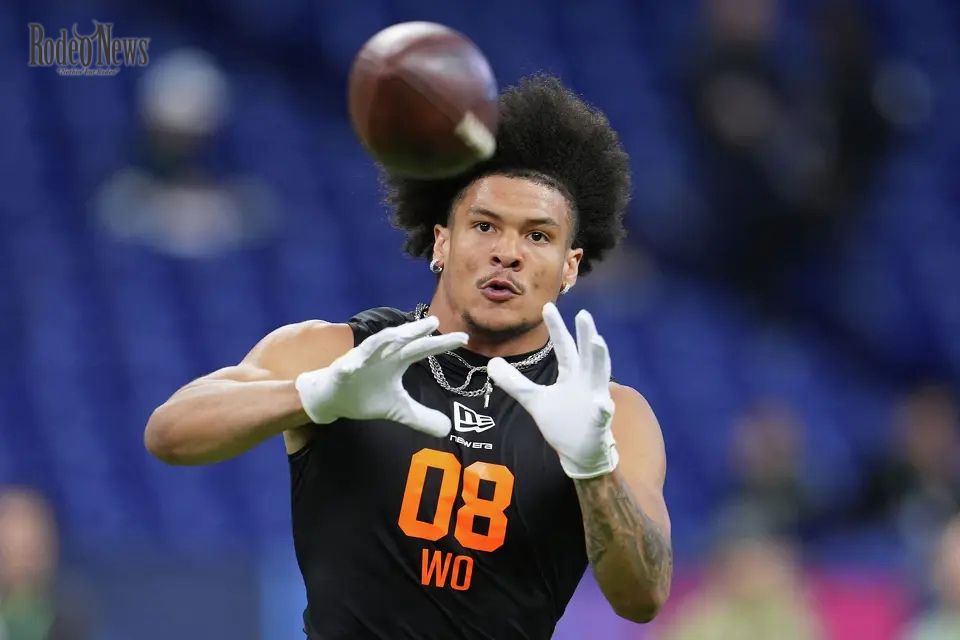
The most immediate downside is simple: the 49ers passed on players who were quickly selected after their original pick. Some evaluators pointed out that prospects like edge rusher Keldric Faulk and wide receiver Omar Cooper Jr. were within reach before being taken off the board.
This highlights the core risk of the strategy: once you trade back, you lose control of the board and become dependent on how other teams behave.
However, analysts remain divided rather than critical. One evaluator graded the move an “A” for value accumulation, while another gave it a “B+”, acknowledging both the smart asset management and the missed opportunities.
Why Pick No. 33 Is So Important
The most significant outcome of the 49ers draft trades 2026 maneuver is the acquisition of pick No. 33 — the first selection of Day 2.
This position is widely considered one of the most powerful spots in the draft because:
- It allows the team to set the market for Round 2
- It provides access to first-round talent that slipped through
- It creates leverage for potential trade-back opportunities
San Francisco now has flexibility to either stay put or continue maneuvering depending on how the board develops.
Top Targets for the 49ers on Day 2
With the new draft position, several prospects remain in play for San Francisco.
Wide Receiver Options
One of the strongest remaining options is a large-bodied receiver who fits the 49ers’ physical offensive identity. Players in this tier offer red-zone reliability and contested catch ability, traits highly valued in Kyle Shanahan’s system.
Edge Rusher Targets
Edge rusher remains another priority. Several productive college pass rushers are still available, though many come with physical limitations such as shorter arm length or undersized frames.
Despite those concerns, their production makes them strong Day 2 candidates.
Secondary and Depth Needs
Defensive back depth and offensive line reinforcement are also areas the 49ers are expected to address. The team has consistently shown a preference for versatile defenders and linemen who can compete across multiple positions.
How This Fits the 49ers Long-Term Strategy
The 49ers draft trades 2026 decision aligns with a broader organizational philosophy: prioritize value over draft position.
This is not the first time San Francisco has moved aggressively on draft day, but it is one of the clearest examples of the team prioritizing depth over a single first-round swing.
Historically, the 49ers have been willing to:
- Trade up for elite quarterbacks (previously)
- Trade down when the board lacks differentiation
- Accumulate mid-round picks to build roster depth
This approach reflects confidence in their scouting department and coaching development system.
External Analyst Reaction
Draft analysts largely supported the move, noting that San Francisco maximized the value of a weak late first-round tier.
Some key takeaways from evaluations include:
- Strong praise for asset accumulation
- Recognition that the board dropped off sharply late in Round 1
- Agreement that the 49ers are better positioned entering Day 2 than they were entering Round 1
The consensus: while the move carries risk, it fits the logic of the draft environment.
Internal Outlook: What Happens Next
The success of the 49ers draft trades 2026 strategy will ultimately depend on how they use their expanded draft capital.
The team now holds multiple picks across Day 2 and Day 3, giving them the ability to:
- Target premium talent at No. 33
- Package picks for potential trade-ups
- Add depth at multiple positions of need
This flexibility could define their entire draft class.
Conclusion
The 49ers’ decision to trade out of the first round represents a bold and calculated gamble. By prioritizing value and flexibility over a traditional first-round selection, the team has positioned itself for a potentially deeper and more balanced draft class.
However, the real judgment will come on Day 2 — where San Francisco must convert opportunity into production.
IMAGE ALT TEXT
49ers draft trades 2026 analysis showing San Francisco 49ers NFL Draft strategy and Day 2 pick evaluation