UK France Deal Revealed: 3-Year Plan to Stop Crossings
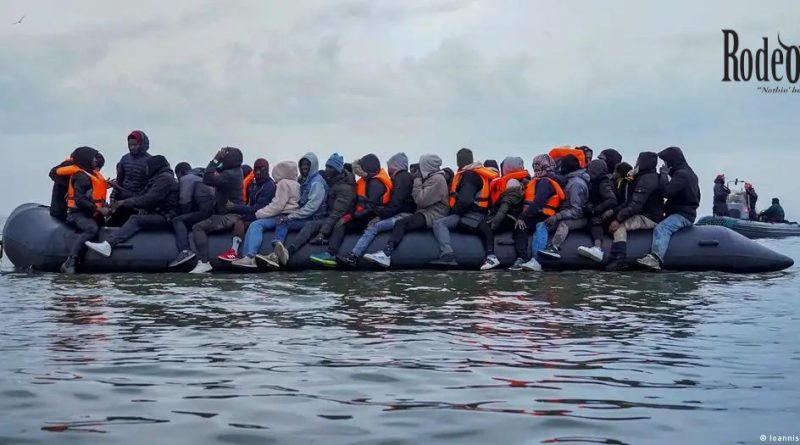
The UK France deal on migration has been officially agreed, marking a major new attempt to curb dangerous crossings of the English Channel. The three-year agreement, announced in April 2026, introduces increased funding, expanded policing, and advanced surveillance technology aimed at stopping small boats before they reach British shores.
The deal reflects growing political pressure in the United Kingdom to reduce irregular migration, while also highlighting ongoing humanitarian concerns about the risks migrants face on one of Europe’s most dangerous routes.
What the UK France Deal Includes
At the heart of the UK France deal is a financial commitment of up to £660 million (around $892 million) from the UK to France over three years.
This funding will support a wide range of border enforcement measures along northern France’s coastline, where most small boats depart.
The agreement is structured with both fixed and performance-based elements. Around £500 million is guaranteed, while additional funding depends on whether the measures successfully reduce crossings.
This performance-based model is a notable shift, reflecting the UK’s demand for measurable results after previous agreements delivered mixed outcomes.
Increased Police Presence and Enforcement
One of the most significant features of the UK France deal is the expansion of law enforcement personnel.
Authorities plan to increase the number of officers operating in northern France from just over 900 to nearly 1,400.
In addition, approximately 1,100 personnel, including police, intelligence officers, and military staff, will be deployed to disrupt smuggling networks and monitor coastal activity.
A specialized police unit will also be created to focus specifically on irregular migration and human trafficking operations.
Riot Police and Stronger Crowd Control
The deal introduces a controversial new measure: the deployment of riot police units along French beaches.
These units will be trained in crowd control and equipped with tools such as shields, batons, and tear gas to prevent migrants from boarding boats.
Supporters argue this is necessary to stop organized smuggling groups, which often coordinate large departures at once. However, critics warn that such tactics could escalate tensions and increase risks for migrants.
Advanced Surveillance Technology
Technology plays a central role in the UK France deal. Authorities will deploy a range of tools, including:
- Drones
- Helicopters
- Radar systems
- High-resolution cameras
- Electronic monitoring systems
These technologies are designed to detect small boats and intercept them before they leave French waters.
The focus is particularly on so-called “taxi boats,” which move along the coastline picking up migrants before attempting the crossing.
Why Channel Crossings Remain a Major Issue
Migration across the English Channel has surged in recent years, becoming a major political and humanitarian issue.
Since 2018, nearly 200,000 migrants have crossed the Channel in small boats.
In 2025 alone, more than 40,000 people made the journey, making it one of the busiest years on record.
Although early data suggests crossings in 2026 may be declining, thousands have already attempted the journey, underscoring the persistence of the problem.
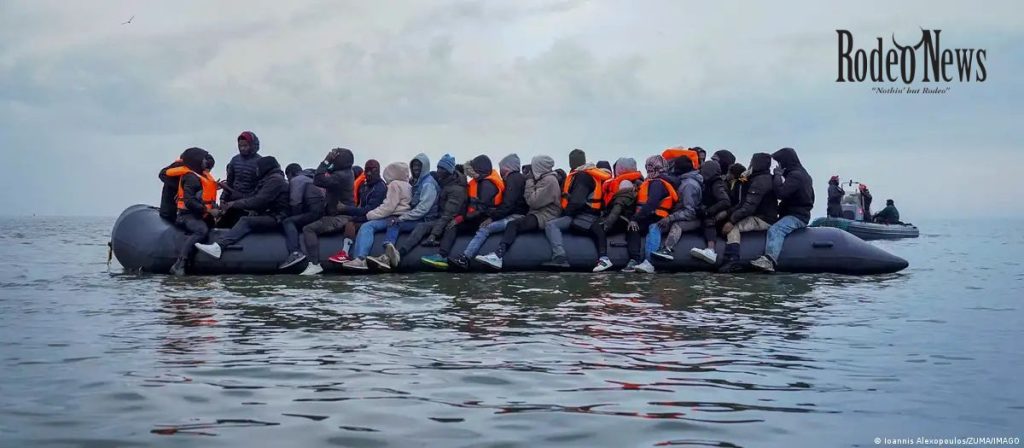
The route remains extremely dangerous due to:
- Strong currents
- Cold water temperatures
- Heavy shipping traffic
Recent incidents have highlighted these risks, including cases where migrants lost their lives attempting to board overcrowded boats.
A Continuation of Long-Term Cooperation
The UK France deal builds on years of cooperation between the two countries on migration control.
Previous agreements, including a £478 million deal covering 2023–2026, focused on funding French patrols and surveillance.
However, crossings continued to rise during that period, leading to calls for a more robust approach.
The new agreement introduces stricter accountability through performance-based funding and significantly expands enforcement measures.
Political Pressure Behind the Deal
The UK government has faced increasing pressure to address irregular migration, particularly small boat crossings.
The issue has become a key political challenge, influencing elections and public opinion. Many voters view the crossings as a symbol of border control failures.
As a result, the UK France deal is not only a policy initiative but also a political response aimed at demonstrating stronger control over migration.
Criticism and Humanitarian Concerns
Despite its ambitious scope, the UK France deal has drawn criticism from human rights organizations and migration experts.
Critics argue that:
- Increased policing does not address the root causes of migration
- Migrants may take even more dangerous routes
- Enforcement-heavy approaches risk violating human rights
Advocates stress the need for safe and legal migration pathways as a long-term solution.
They warn that focusing solely on border security could push migrants into the hands of more sophisticated and dangerous smuggling networks.
The Role of Smuggling Networks
A major target of the UK France deal is organized crime.
Smuggling networks play a central role in facilitating Channel crossings, often charging migrants thousands of dollars for the journey.
These networks adapt quickly to enforcement measures, changing routes, tactics, and technologies to avoid detection.
The deal’s emphasis on intelligence-sharing and targeted operations aims to disrupt these networks at their source.
Will the Deal Work?
The success of the UK France deal remains uncertain.
On one hand, increased funding, more personnel, and advanced technology could significantly reduce crossings in the short term.
On the other hand, experts caution that migration is driven by complex global factors, including:
- Conflict and instability
- Economic hardship
- Climate change
- Lack of legal migration routes
Without addressing these underlying issues, enforcement alone may only provide temporary relief.
A Critical Test for European Migration Policy
The UK France deal represents one of the most comprehensive bilateral efforts to tackle irregular migration in Europe.
Its outcome could influence future policies not only in the UK and France but across the European continent.
If successful, it may serve as a model for cooperation between countries facing similar challenges.
If it fails, it could reinforce arguments that enforcement-heavy strategies are insufficient to address modern migration pressures.
Conclusion
The UK France deal marks a significant escalation in efforts to control English Channel crossings. With hundreds of millions in funding, expanded policing, and cutting-edge surveillance, both countries are betting on a tougher approach to migration enforcement.
However, the deal also raises important questions about effectiveness, ethics, and long-term solutions.
As migration continues to shape political and social landscapes across Europe, the success or failure of this agreement will be closely watched in the months and years ahead.