Kevin Warsh Inflation Test: 7 Shocking Senate Moments
The nomination of Kevin Warsh to lead the Federal Reserve has triggered intense scrutiny in Washington, with lawmakers zeroing in on what many are calling the “Kevin Warsh inflation test.” At the heart of the debate lies a fundamental question: can Warsh consistently and credibly manage inflation while maintaining independence from political pressure?
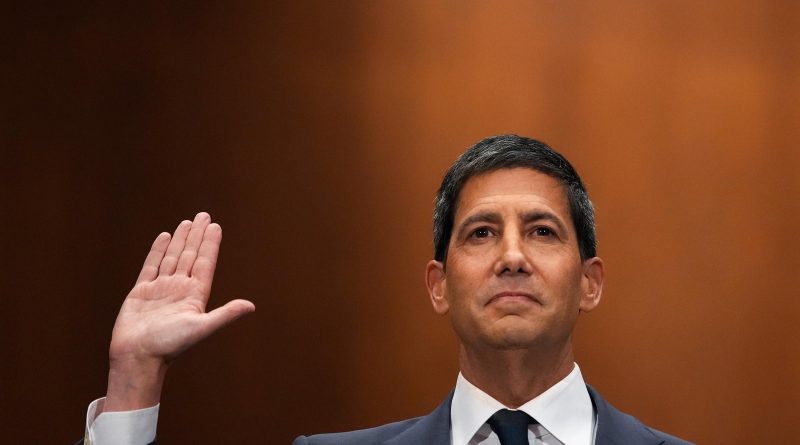
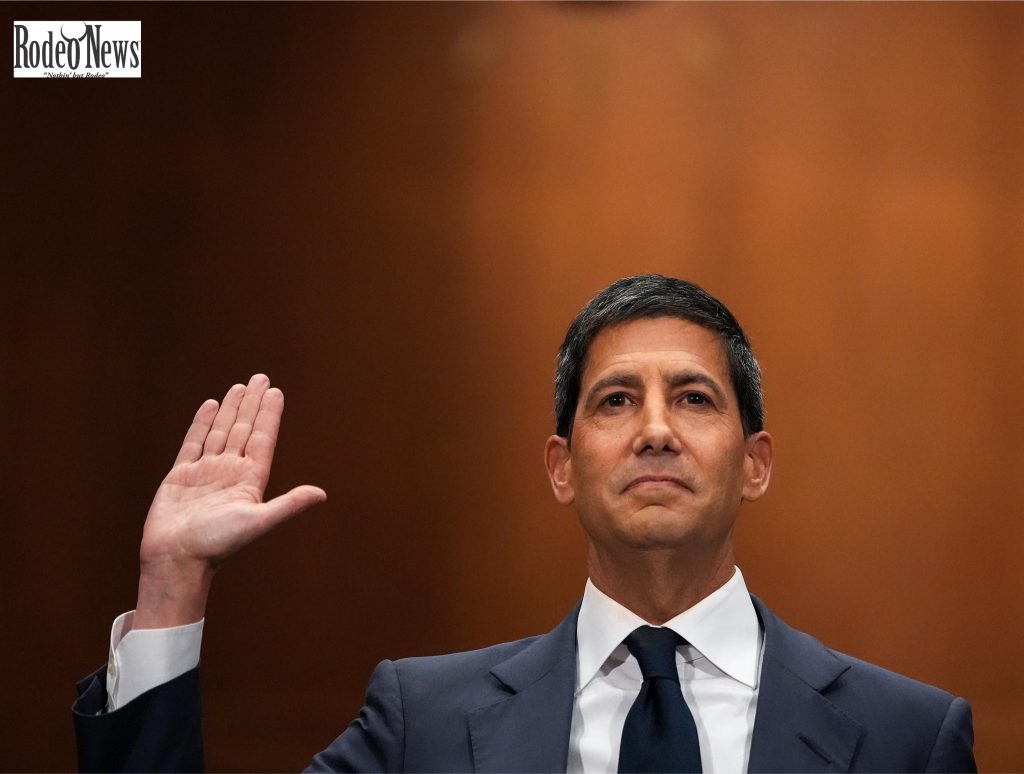
During a heated Senate confirmation hearing, Warsh faced bipartisan skepticism over his evolving stance on interest rates, inflation policy, and his perceived alignment with Donald Trump. The outcome could shape U.S. monetary policy at a critical economic moment.
A Career Marked by Contradictions
Warsh is no stranger to the Federal Reserve. A former governor from 2006 to 2011, he built a reputation as an inflation hawk—someone deeply concerned about rising prices even during periods of economic instability.
However, critics argue that his recent positions suggest a shift. According to reports, Warsh previously warned against rate cuts but later supported lower interest rates—particularly during periods aligned with Trump’s political agenda.
This apparent inconsistency became a central issue during the hearing. Senators questioned whether his policy views are driven by economic data or political considerations.
Warsh defended himself by stating that his views evolve with changing economic conditions, insisting that flexibility is essential in monetary policymaking. Still, the timing of these shifts raised concerns among lawmakers.
Senate Pressure Mounts
The Senate Banking Committee hearing quickly turned confrontational. Lawmakers pressed Warsh on whether he could resist political influence, particularly given Trump’s public calls for lower interest rates.
Warsh repeatedly emphasized his commitment to central bank independence, stating that no one—including the president—had dictated his policy decisions.
Yet skepticism remained high. Some senators accused him of “flip-flopping” on key issues, while others questioned whether his past statements aligned with current economic realities.
The tension highlighted a broader institutional concern: the independence of the Federal Reserve in an increasingly politicized environment.
Inflation: The Core of the Debate
At the center of the “Kevin Warsh inflation test” is a simple but critical issue—how to control inflation without destabilizing the economy.
Warsh has defined price stability as a state where inflation is no longer a concern for households or businesses.
However, achieving that goal in today’s economic climate is far from straightforward. Inflation remains elevated due to multiple factors, including global conflicts, supply chain disruptions, and domestic fiscal policies.
Warsh argued that underlying inflation trends are improving, pointing to alternative metrics that exclude extreme price swings.
Still, many economists remain unconvinced, warning that premature rate cuts could reignite inflationary pressures.
The Trump Factor
Warsh’s nomination cannot be separated from the influence of Donald Trump, who has been vocal about his desire for lower interest rates.
Just before Warsh’s hearing, Trump publicly stated he would be disappointed if rates were not cut quickly.
This backdrop has fueled concerns that Warsh may face pressure to align monetary policy with political goals.
Although Warsh denied any such influence, critics argue that the mere perception of political alignment could undermine the credibility of the Federal Reserve.
The situation underscores a longstanding tension: balancing democratic accountability with the need for independent economic decision-making.
Economic Strategy Under Scrutiny
Beyond inflation, Warsh outlined a broader vision for the Federal Reserve that includes:
- Reforming economic data analysis
- Leveraging artificial intelligence to boost productivity
- Gradually reducing the Fed’s balance sheet
Supporters see these ideas as forward-thinking, particularly the focus on technology-driven productivity gains.
However, skeptics question whether these strategies are grounded in current economic realities. Some economists argue that there is limited evidence that AI can significantly reduce inflation in the short term.
This debate reflects a deeper divide over how the Fed should respond to structural changes in the economy.
Political and Market Reactions
The reaction to Warsh’s nomination has been mixed across political and financial circles.
Some Republicans have expressed support, viewing him as a reform-minded candidate capable of reshaping the Fed.
Meanwhile, Democrats have been more critical, raising concerns about his financial background and potential conflicts of interest.
Markets, for their part, remain cautious. Investors are uncertain whether Warsh would prioritize inflation control or pursue aggressive rate cuts.
Analysts note that any misstep could have significant consequences for financial stability, particularly in a fragile global economy.
The Bigger Picture: Fed Independence at Stake
The controversy surrounding Warsh’s nomination goes beyond one individual. It raises fundamental questions about the future of the Federal Reserve.
Historically, the Fed has operated independently to ensure that monetary policy decisions are based on economic data rather than political considerations.
However, increasing political pressure threatens to blur that line.
Warsh’s ability to navigate this environment will be a key factor in determining not only his confirmation but also the credibility of the institution he seeks to lead.
What Happens Next?
Warsh’s confirmation process is far from over. The Senate remains divided, and additional hearings or delays are possible.
If confirmed, he will inherit a complex economic landscape characterized by:
- Persistent inflation risks
- Uncertain global conditions
- Heightened political scrutiny
His success will depend on his ability to build consensus within the Federal Reserve and maintain public trust.
Conclusion
The “Kevin Warsh inflation test” has become a defining moment in U.S. economic policy debates. His Senate hearing revealed deep concerns about consistency, independence, and the future direction of the Federal Reserve.
While Warsh has defended his record and vision, questions remain about whether he can strike the right balance between controlling inflation and resisting political pressure.
As the confirmation process continues, one thing is clear: the stakes could not be higher. The decisions made in the coming months will shape not only the trajectory of U.S. monetary policy but also the global economic outlook.