Iran Ceasefire Crisis 2026: A Fragile Truce Under Pressure
The Iran ceasefire crisis 2026 has entered a volatile new phase, with rising tensions between the United States and Iran threatening to collapse a fragile truce. What began as a temporary pause in hostilities has evolved into a complex geopolitical standoff involving naval blockades, stalled negotiations, and escalating maritime incidents.
Despite diplomatic efforts led by Pakistan and supported by global powers, the ceasefire now hangs in the balance. The latest developments reveal a deepening divide between Washington and Tehran—one that could reshape the future of the Middle East.
Background: How the Ceasefire Began
The current Iran ceasefire crisis 2026 traces back to early April, when the United States and Iran agreed to a temporary two-week ceasefire following weeks of intense conflict. The war itself began in late February after coordinated U.S. and Israeli strikes targeted Iranian military and strategic sites.
The ceasefire, mediated by Pakistan, aimed to:
- Halt active military operations
- Reopen the Strait of Hormuz
- Create space for diplomatic negotiations
However, the agreement was always fragile. Both sides accused each other of violations almost immediately after it took effect.
1. US Extends Ceasefire—but With Conditions
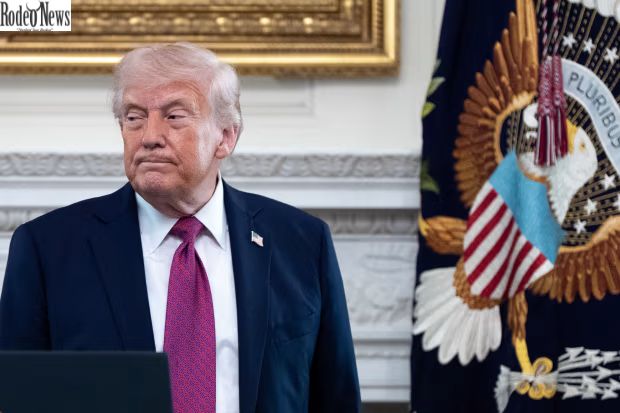
One of the most critical developments in the Iran ceasefire crisis 2026 is the United States’ decision to extend the truce. President Donald Trump approved an extension to allow more time for diplomacy, signaling a preference to avoid renewed conflict—for now.
However, this extension comes with significant conditions. The U.S. has made it clear that Iran must present a unified negotiation proposal before meaningful talks can resume.
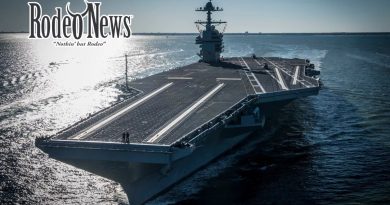
At the same time, Washington has refused to ease its naval blockade, a move that has become the central point of contention between the two nations.
2. Iran Rejects Talks Under Blockade Pressure
Iran has responded firmly, stating that it will not engage in negotiations while under what it calls an “act of war.”
Iranian officials argue that the U.S. blockade of its ports violates the ceasefire agreement and undermines trust. The country has demanded the immediate lifting of these restrictions before returning to the negotiating table.
This stance has effectively stalled peace talks that were scheduled to take place in Islamabad. Without compromise on this issue, diplomatic progress remains unlikely.
3. Strait of Hormuz Becomes Flashpoint Again
The Iran ceasefire crisis 2026 is increasingly centered on the Strait of Hormuz, one of the world’s most critical oil transit routes.
Recent incidents highlight the growing instability:
- Iranian forces seized multiple vessels in the strait
- A commercial ship was reportedly attacked
- Maritime navigation has been disrupted
These actions are seen as both retaliation and leverage against the U.S. blockade.
The Strait of Hormuz carries a significant portion of global oil supply, meaning any disruption has immediate worldwide economic consequences. Rising oil prices and market volatility are already being felt.
4. Military Tensions Continue Despite “Ceasefire”
Although a ceasefire is technically in place, military activity has not fully stopped.
Reports indicate:
- Drone and missile threats remain active
- Regional proxy conflicts continue
- Naval forces are still deployed at high alert
In fact, earlier incidents included attacks on oil facilities and civilian casualties, demonstrating how fragile the ceasefire truly is.
This situation reflects a “cold conflict” rather than true peace—where both sides pause direct confrontation but continue strategic pressure.
5. Global Powers Step In as Stakes Rise
The Iran ceasefire crisis 2026 is no longer just a bilateral issue. Major global and regional actors are increasingly involved:
- European nations are preparing for energy disruptions
- China is urging continued diplomacy
- The UK and France are leading multinational talks to secure shipping routes
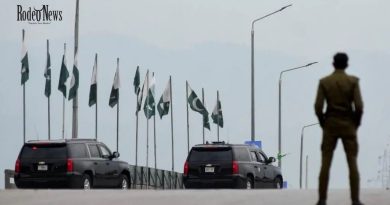
Meanwhile, Pakistan remains a key mediator, attempting to bridge the gap between Washington and Tehran.
However, the involvement of multiple stakeholders also complicates negotiations, as each party brings its own strategic interests.
Economic Impact: Oil, Trade, and Global Markets
The economic consequences of the Iran ceasefire crisis 2026 are already severe.
Key impacts include:
- Oil prices nearing $100 per barrel
- Disruptions to global shipping routes
- Declines in regional economic stability
The Strait of Hormuz alone accounts for a massive share of global energy transport. Any prolonged instability could trigger a broader economic shock.
Additionally, Iran’s economy is under intense pressure, with reports suggesting billions in daily losses due to restricted trade and reduced oil exports.
Humanitarian and Regional Consequences
Beyond economics, the human cost of the Iran ceasefire crisis 2026 continues to rise.
Across the region:
- Thousands have been killed or injured
- Millions face economic hardship
- Infrastructure damage is widespread
Neighboring countries, including Lebanon and Gulf states, are also experiencing spillover effects from the conflict.
This highlights how the crisis is not isolated—it is reshaping the entire Middle East landscape.
What Happens Next?
The future of the Iran ceasefire crisis 2026 depends on several key factors:
1. Will the US Lift the Blockade?
This remains the most critical issue. Without movement from Washington, Iran is unlikely to negotiate.
2. Can Iran Present a Unified Proposal?
Internal divisions within Iran’s leadership may delay or weaken diplomatic efforts.
3. Will Maritime Tensions Escalate Further?
Any major incident in the Strait of Hormuz could instantly collapse the ceasefire.
4. Can Mediators Prevent War?
Pakistan and other international actors face mounting pressure to deliver results.
Conclusion: A Ceasefire on the Brink
The Iran ceasefire crisis 2026 represents one of the most dangerous geopolitical standoffs in recent years. While a full-scale war has been temporarily avoided, the underlying tensions remain unresolved.
The combination of military pressure, economic warfare, and diplomatic deadlock has created a situation where even a small trigger could lead to renewed conflict.
For now, the world watches closely as two powerful nations navigate a fragile truce—one that could either lead to peace or spiral into a broader regional war.