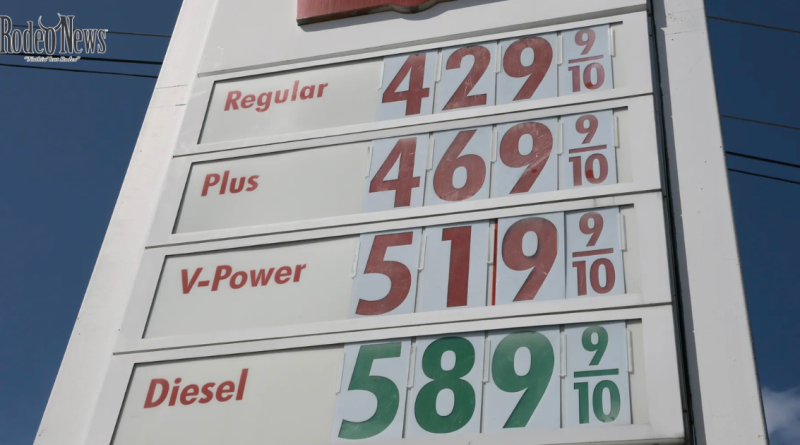
Gas Prices Forecast 2027: What Americans Need to Know
The gas prices forecast 2027 is becoming a major concern for consumers, policymakers, and businesses across the United States. Despite earlier expectations that fuel costs would stabilize, new projections suggest that gasoline prices could remain above $3 per gallon for much longer than anticipated.
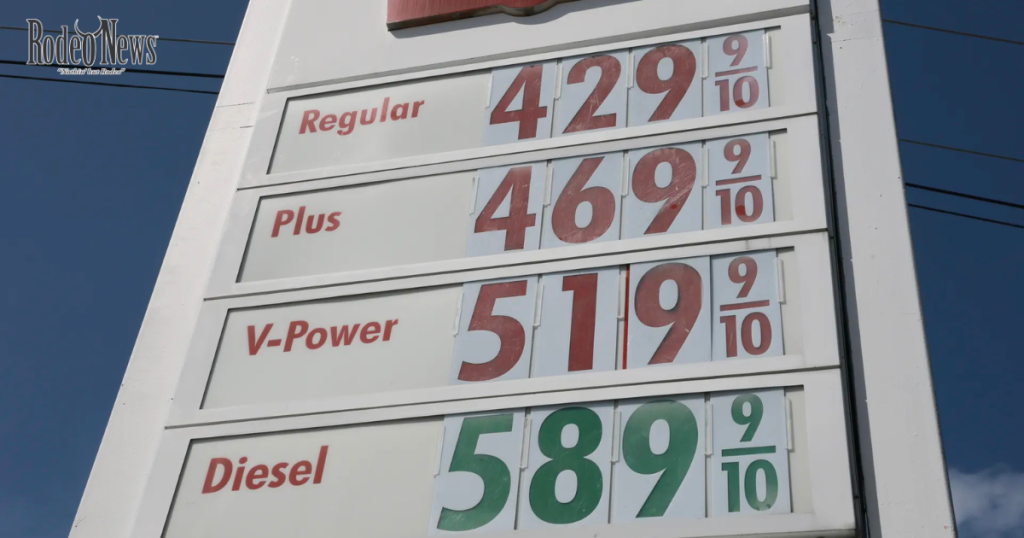
This shift is not just about economics—it reflects a complex web of geopolitical tensions, supply chain disruptions, and long-term energy market dynamics. As a result, Americans may need to prepare for an extended period of elevated fuel costs.
Why the Gas Prices Forecast 2027 Is Changing
Recent statements from U.S. energy officials indicate that the gas prices forecast 2027 is being pushed further into the future. Initially, many analysts believed prices would fall below $3 by 2025 or 2026. However, that timeline has now been revised.
The primary reason is global instability, particularly involving oil-producing regions. When supply is disrupted, prices respond quickly—and recovery often takes longer than expected.
Moreover, the energy market operates on long cycles. Even if supply improves today, it may take months or years for those changes to fully impact consumers at the pump.
The Iran Conflict and Its Global Impact
One of the most significant factors influencing the gas prices forecast 2027 is the ongoing geopolitical tension involving Iran. This conflict has disrupted oil production and distribution channels, leading to increased uncertainty in global markets.
Oil is a globally traded commodity. Therefore, even localized conflicts can have widespread effects. When a major supplier faces disruption, the ripple effects are felt worldwide, including in the United States.
Additionally, sanctions and political tensions further complicate the situation. These factors limit the ability of global markets to stabilize quickly, prolonging higher price levels.
Supply and Demand: A Delicate Balance
At its core, the gas prices forecast 2027 comes down to supply and demand. When demand remains strong but supply is constrained, prices inevitably rise.
Currently, global demand for oil remains high. As economies recover and grow, energy consumption increases. Meanwhile, production has not kept pace due to both geopolitical risks and strategic production limits by oil-producing nations.
Furthermore, energy companies are cautious about over-expanding production. Many are prioritizing profitability and sustainability over rapid growth, which also contributes to tighter supply conditions.
Why Prices Rise Fast but Fall Slowly
A common saying in the energy sector is that prices “rise like rockets and fall like feathers.” This perfectly describes the current gas prices forecast 2027 trend.
When supply is disrupted, prices spike almost immediately. However, when conditions improve, the decline in prices is gradual. This is because multiple factors—such as refining capacity, transportation costs, and inventory levels—must stabilize before consumers see relief.
As a result, even if the geopolitical situation improves, it does not guarantee an immediate drop in gas prices.
Economic Impact on Consumers
The gas prices forecast 2027 has significant implications for everyday Americans. Higher fuel costs affect more than just transportation—they influence the entire economy.
For example:
- Food prices increase due to higher transportation costs
- Air travel becomes more expensive
- Delivery services raise fees
- Inflation remains elevated
These effects compound over time, putting pressure on household budgets. For many families, fuel is a non-negotiable expense, making prolonged high prices particularly challenging.
Political Pressure and Midterm Elections
The gas prices forecast 2027 is also a political issue. Fuel prices have historically influenced voter sentiment, and prolonged high costs could impact upcoming elections.
Politicians often face pressure to address rising prices. However, their ability to control global oil markets is limited. While policies can influence domestic production and reserves, external factors often play a larger role.
As elections approach, energy policy is likely to become a central topic of debate.
What Could Lower Gas Prices Sooner?
Although the current gas prices forecast 2027 suggests prolonged high prices, several factors could accelerate a decline:
- Resolution of geopolitical conflicts
A reduction in global tensions could stabilize oil supply - Increased oil production
Higher output from major producers could ease supply constraints - Technological advancements
Improved efficiency in energy production and consumption - Shift to alternative energy
Reduced dependence on fossil fuels could lower demand
However, each of these factors takes time to develop. Therefore, immediate relief remains uncertain.
The Role of Renewable Energy
Interestingly, the gas prices forecast 2027 also highlights the growing importance of renewable energy. As traditional fuel prices remain high, investment in alternative energy sources is increasing.
Solar, wind, and electric vehicles are becoming more attractive options. Over time, this shift could reduce dependence on oil and stabilize energy costs.
Nevertheless, the transition to renewable energy is gradual. Fossil fuels will continue to play a significant role in the global economy for years to come.
Long-Term Outlook for Gas Prices
Looking beyond the gas prices forecast 2027, experts suggest that volatility may become the new normal. Instead of stable, predictable prices, consumers may experience frequent fluctuations.
This uncertainty is driven by:
- Geopolitical instability
- Climate policies
- Market speculation
- Technological changes
As a result, both consumers and businesses must adapt to a more dynamic energy landscape.
How Consumers Can Adapt
While the gas prices forecast 2027 may seem concerning, there are practical steps individuals can take to manage costs:
- Use fuel-efficient vehicles
- Carpool or use public transportation
- Plan trips to reduce fuel usage
- Monitor gas prices and buy strategically
Small changes can make a significant difference over time.
External and Internal Resources
For more insights on energy trends, visit:
- U.S. Energy Information Administration (https://www.eia.gov/)
- International Energy Agency (https://www.iea.org/)
For more updates, check our internal coverage:
Conclusion: A New Reality for Fuel Prices
The gas prices forecast 2027 paints a clear picture: consumers should not expect a quick return to low fuel prices. Instead, the market is entering a period of prolonged uncertainty and gradual adjustment.
While there are opportunities for improvement, they depend on complex global factors that are not easily controlled. Therefore, preparation and adaptation will be key.
Ultimately, understanding the forces behind fuel prices can help individuals and businesses make smarter decisions in an evolving economic environment.