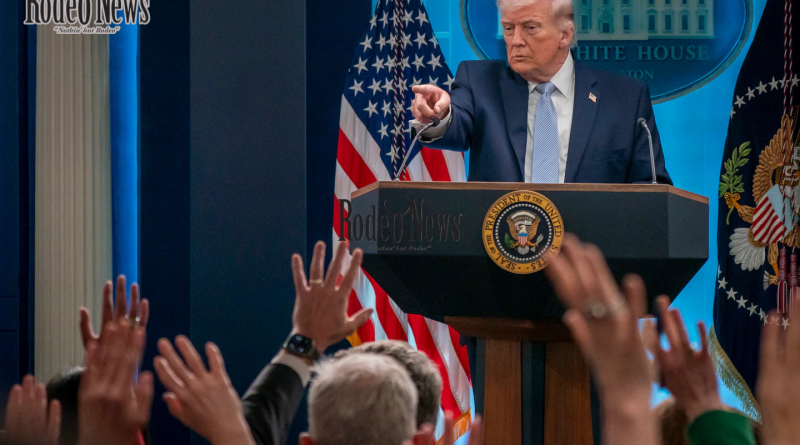
Trump Iran War Threat Revealed: Global Tensions Reach Breaking Point
The Trump Iran war threat has triggered one of the most dangerous geopolitical crises in recent years, pushing the Middle East closer to a large-scale conflict while raising urgent concerns across the international community.
On April 7, 2026, U.S. President Donald Trump issued a dramatic ultimatum to Iran, warning of devastating consequences if Tehran failed to comply with U.S. demands. The situation escalated rapidly, but in a surprising turn of events, a temporary pause in hostilities has opened a narrow window for diplomacy.
This article breaks down the latest developments, the global reaction, and what could happen next.
1. A Last-Minute Ceasefire Proposal Changes Everything
Just 90 minutes before a planned U.S. military escalation, Trump announced a two-week suspension of attacks on Iran. The decision came after diplomatic mediation efforts led by Pakistan.
The ceasefire hinges on a critical condition: Iran must reopen the Strait of Hormuz, a vital global oil shipping route responsible for nearly 20% of the world’s oil supply.
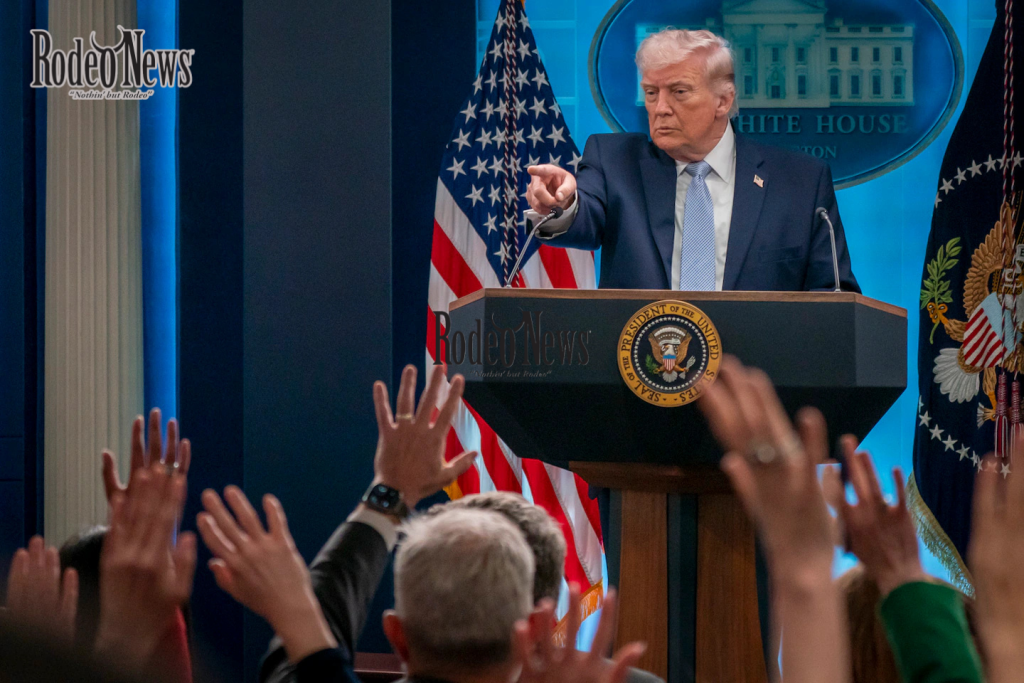
Trump claimed that U.S. military objectives had largely been achieved and suggested that both sides were close to a broader peace agreement. However, Iran has yet to fully accept the terms, leaving the situation uncertain.
2. “A Whole Civilization Will Die”: The Threat That Shocked the World
Before announcing the pause, Trump delivered one of the most controversial statements of his presidency, warning that “a whole civilization will die” if Iran failed to meet U.S. demands.
The statement sparked immediate backlash from lawmakers, military experts, and global leaders. Critics argued that such rhetoric could signal intent to target civilian infrastructure—actions widely considered illegal under international law.
Legal scholars and analysts warned that executing such threats could constitute war crimes, placing both political leaders and military personnel at legal risk.
3. Civilian Toll Rises as Conflict Intensifies
While political leaders debate strategy, civilians in Iran are bearing the brunt of the conflict. Reports indicate that nearly 1,500 civilians have been killed since the escalation began earlier this year.
Critical infrastructure—including bridges, factories, and medical facilities—has been heavily damaged. Many Iranians initially hoped the conflict might lead to political change, but ongoing destruction has shifted public sentiment toward fear and exhaustion.
Communication blackouts have further isolated the population, forcing many to rely on alternative technologies such as VPNs and satellite internet to stay connected with the outside world.
4. Global Condemnation and Legal Concerns
The Trump Iran war threat has drawn widespread condemnation from international leaders and institutions.
Religious figures, including Pope Leo XIV, denounced the rhetoric as morally unacceptable and warned of catastrophic humanitarian consequences.
Meanwhile, legal experts emphasized that targeting civilian infrastructure violates the principles of international humanitarian law. Military officials also raised concerns that unlawful orders could put U.S. troops in a difficult position, as they are required to refuse illegal commands.
Even within the United States, political divisions have deepened. Some lawmakers called the threat reckless and dangerous, while others defended it as strategic pressure to force Iran into negotiations.
5. Strait of Hormuz: The Strategic Flashpoint
At the center of the crisis is the Strait of Hormuz, one of the most critical chokepoints in global energy supply.
Iran’s control over the strait has given it significant leverage, allowing it to disrupt global oil markets and increase pressure on Western economies. The U.S. demand to reopen the strait is seen as both an economic and strategic priority.
Any prolonged closure could lead to skyrocketing oil prices, global economic instability, and potential involvement from other major powers.
6. A Fragile Path Toward Peace
The current ceasefire proposal, often referred to as part of a broader diplomatic framework, represents a fragile but crucial opportunity to de-escalate tensions.
The agreement reportedly includes:
- A temporary halt to hostilities
- Safe passage through the Strait of Hormuz
- Continued negotiations toward a long-term peace deal
However, the situation remains volatile. Reports indicate that sporadic attacks have continued even after the ceasefire announcement, raising doubts about its immediate effectiveness.
7. What Happens Next?
The next two weeks will be critical in determining the future of the conflict. Several scenarios are possible:
дипломатический прорыв (Diplomatic Breakthrough)
If negotiations succeed, the ceasefire could evolve into a lasting peace agreement, potentially stabilizing the region and global markets.
Renewed Escalation
If talks fail, the conflict could intensify rapidly, with both sides resuming large-scale military operations.
Prolonged Stalemate
A middle-ground scenario could see ongoing low-level conflict combined with intermittent negotiations, prolonging instability.
Conclusion: A Defining Moment in Global Politics
The Trump Iran war threat marks a defining moment in modern geopolitics. It highlights the delicate balance between military power, diplomacy, and international law in an increasingly interconnected world.
While the temporary ceasefire offers a glimmer of hope, the path forward remains uncertain. The coming days will determine whether this crisis leads to peace—or escalates into a far more devastating conflict.