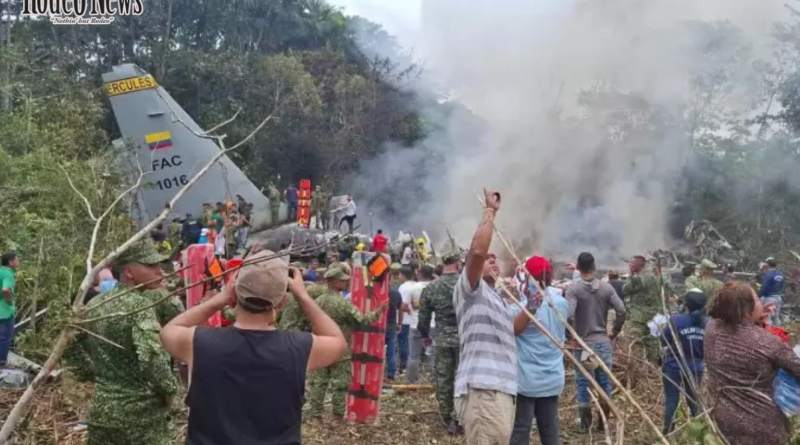
Colombia Plane Crash: Deadly Military Disaster Shocks Nation
The Colombia plane crash that killed at least 66 people has sent shockwaves across the country and the international community. The tragic incident, involving a military transport aircraft, occurred shortly after takeoff in a remote region of southern Colombia, marking one of the deadliest aviation disasters in the nation’s recent history.
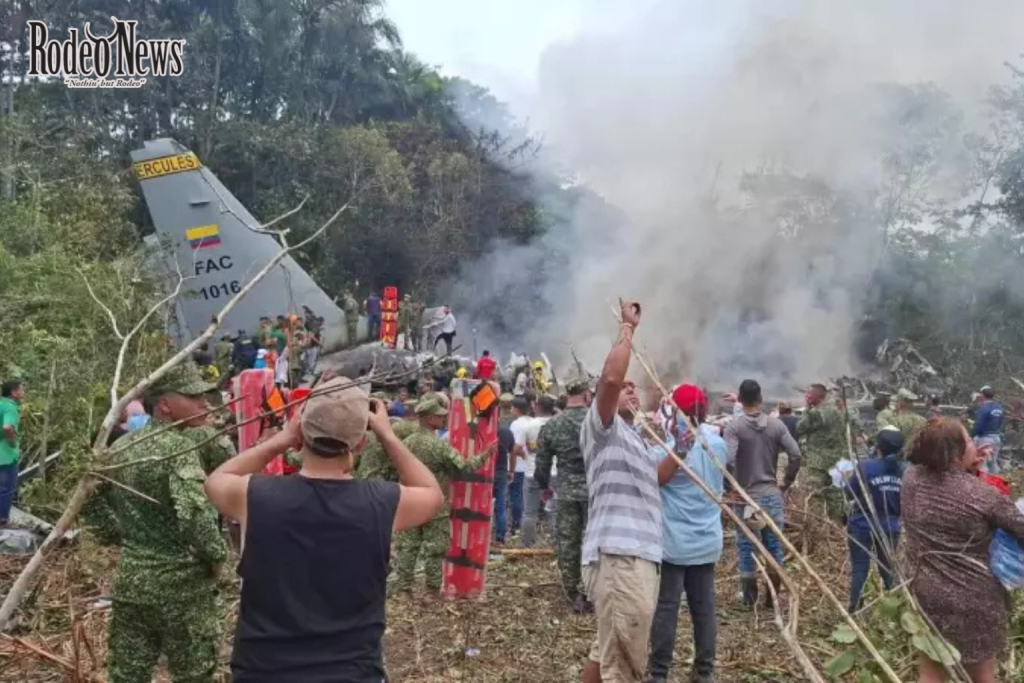
Authorities confirmed that the aircraft was carrying more than 120 individuals, most of them military personnel, when it went down near Puerto Leguízamo in the Putumayo region. The disaster has raised urgent questions about aircraft safety, military readiness, and the challenges of operating in remote environments.
What Happened: Timeline of the Crash
The Colombia plane crash took place on March 23, 2026, when a Lockheed C-130 Hercules military aircraft crashed shortly after takeoff.
According to officials, the plane had just departed from a local airstrip when it encountered problems during its initial ascent. Within minutes, the aircraft lost altitude and crashed into a dense jungle area located just a few kilometers from the airport.
Initial reports indicate that the plane was engulfed in flames upon impact, complicating rescue efforts and increasing the severity of the tragedy.
Casualties and Survivors
The scale of the disaster is devastating.
- At least 66 people have been confirmed dead
- Dozens more were injured
- Several individuals were initially reported missing
Most of the victims were members of Colombia’s armed forces, including army personnel, air force crew members, and police officers.
Rescue teams, supported by local residents, managed to evacuate survivors to nearby medical facilities despite the challenging terrain and limited infrastructure.
The injured were later transported to larger hospitals for treatment, with some reported to be in critical condition.
Aircraft Details: The C-130 Hercules
The aircraft involved in the Colombia plane crash was a Lockheed C-130 Hercules, a widely used military transport plane known for its durability and versatility.
This particular aircraft had been part of Colombia’s military fleet for years and was used primarily for transporting troops and equipment across the country’s difficult terrain.
The C-130 model has long been considered reliable, but aging fleets and maintenance challenges have raised concerns in recent years, particularly in countries with limited defense budgets.
Possible Causes Under Investigation
Authorities have launched a full investigation into the Colombia plane crash, but the exact cause remains unclear.
Early reports suggest several possible factors:
Mechanical Failure
Officials indicated that the aircraft may have experienced a technical issue shortly after takeoff.
Impact During Takeoff
Some reports suggest the plane may have clipped an object, such as a tree, leading to loss of control and eventual crash.
Explosions Onboard
There are also indications that onboard materials may have ignited after impact, intensifying the fire.
Importantly, military officials have stated there is no evidence of an attack or hostile action, ruling out initial fears of armed group involvement.
Rescue Efforts in a Remote Region
One of the most challenging aspects of the Colombia plane crash was its location.
The crash site lies in a remote jungle area near the border with Peru, making access difficult for emergency responders. Roads are limited, and dense vegetation slowed down rescue operations.
Local residents played a crucial role in the immediate aftermath:
- Transporting injured victims on motorcycles
- Assisting in extinguishing fires
- Helping military personnel reach the crash site
These efforts were vital in saving lives during the critical early hours after the crash.
Government Response and National Mourning
Colombian officials reacted swiftly to the tragedy.
President Gustavo Petro described the crash as a national tragedy and called for a thorough investigation into its causes. He also highlighted longstanding concerns about delays in modernizing the country’s military fleet.
Defense officials expressed condolences to the families of the victims and pledged full transparency in the investigation.
The disaster has prompted nationwide mourning, with tributes pouring in from across Colombia and beyond.
Questions Over Military Equipment and Safety
The Colombia plane crash has reignited debate over the condition of the country’s military equipment.
Critics argue that:
- Aging aircraft increase the risk of accidents
- Maintenance programs may be underfunded
- Bureaucratic delays hinder modernization efforts
The C-130 involved in the crash was part of a broader effort to upgrade Colombia’s fleet, but concerns remain about whether these efforts are sufficient.
This tragedy may serve as a turning point, pushing policymakers to accelerate reforms and invest more heavily in defense infrastructure.
A Pattern of Aviation Incidents?
The crash also comes amid a series of aviation incidents in the region, raising broader concerns about air safety.
While each incident has unique causes, experts note that:
- Aging aircraft fleets
- Challenging terrain
- Limited infrastructure
can all contribute to higher risks in certain parts of the world.
The Colombia plane crash is now one of the deadliest military aviation disasters in the country’s history, underscoring the need for improved safety measures.
Impact on Military Operations
The loss of dozens of trained personnel is a significant blow to Colombia’s armed forces.
The aircraft was reportedly transporting troops for operations in the southern region, an area that remains strategically important due to ongoing security challenges.
The incident could have several implications:
- Temporary disruption of military operations
- Increased scrutiny on transport procedures
- Reevaluation of safety protocols
Military leaders are expected to review operational practices to prevent similar tragedies in the future.
International Reactions
The Colombia plane crash has drawn attention from around the world.
Governments and international organizations have expressed condolences and support for Colombia during this difficult time. Aviation experts and defense analysts are also closely monitoring the investigation for insights into potential safety improvements.
Manufacturers of the aircraft have indicated their willingness to assist in the investigation, ensuring that all technical aspects are thoroughly examined.
Conclusion: A Tragedy That Raises Urgent Questions
The Colombia plane crash is a devastating reminder of the risks associated with military aviation, particularly in challenging environments.
With at least 66 lives lost and many more affected, the tragedy has left a deep scar on the nation. It also raises critical questions about aircraft safety, military preparedness, and the need for modernization.
As investigations continue, the focus will remain on uncovering the truth behind the crash and ensuring that such a disaster does not happen again.
For now, Colombia mourns the loss of its service members, honoring their sacrifice while seeking answers in the wake of an unimaginable tragedy.