NASA Tests Lunar Electric Rover in Arizona Desert to Simulate Moon Missions
NASA’s Lunar Electric Rover tackles Arizona’s harsh terrain as a rehearsal for future lunar missions under the Artemis program.
NASA Prepares for the Moon with a Ground Test in Arizona
As humanity sets its sights on a long-awaited return to the moon, NASA has taken another step toward making lunar exploration not only possible but sustainable. The latest milestone comes in the form of the Lunar Electric Rover (LER) — a futuristic pressurized vehicle designed to help astronauts traverse the moon’s rugged terrain during extended missions.
Earlier this week, NASA rolled the LER across the Black Point Lava Flow in northern Arizona, a site known for its challenging volcanic landscape. The exercise was part of the agency’s Desert Research and Technology Studies (Desert RATS) campaign, which uses Earth-based analog environments to simulate planetary conditions.
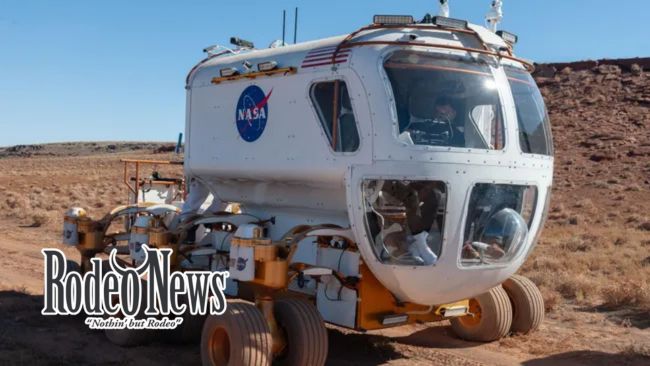
A New Era of Lunar Exploration
Unlike the open-top lunar buggies used during the Apollo missions, the Lunar Electric Rover is equipped with a pressurized cabin, allowing astronauts to live and work inside for up to 14 days. This design represents a leap forward in space vehicle mobility, potentially enabling missions to reach more remote and scientifically rich regions of the moon — areas previously inaccessible due to range and safety limitations.
“Mobility is a game-changer,” said a NASA spokesperson during the test. “If we want to explore more of the moon than ever before, our vehicles need to be more than just transport—they need to support life and work.”
Why Arizona?
NASA selected the Black Point Lava Flow for its Mars- and moon-like terrain. The region’s ancient volcanic rock formations and unpredictable surface conditions offer a close approximation of the lunar surface, providing engineers and astronauts with critical data about how the LER performs under realistic stress.
The Desert RATS program has been operational for several years, with the goal of testing not just technology, but the operational procedures, crew dynamics, and decision-making that will be essential during real off-Earth missions.
“We use places like this to work out the kinks,” said one NASA engineer. “Before we take a vehicle to the moon, we want to make sure we’ve put it through every possible scenario on Earth.”
Pressurized Innovation
The LER’s cabin isn’t just about shelter — it’s about capability. Inside, astronauts can sleep, eat, conduct experiments, and even pilot the rover in full comfort without wearing a spacesuit. Onboard systems include life support, communications, and advanced navigation tools that help crews negotiate the lunar terrain.
It’s a stark contrast to the lunar rovers of the 1970s, which had limited battery life, minimal protection from dust, and no ability to support astronauts for more than a few hours at a time.
Supporting the Artemis Missions
The test in Arizona directly supports NASA’s Artemis program, which aims to return astronauts to the moon as early as 2026. Artemis will be the first mission to send a woman and person of color to the lunar surface and lay the groundwork for longer-term human presence, potentially including moon mining and the construction of permanent infrastructure.
Rovers like the LER are expected to be key assets in achieving these goals, not only enabling exploration but also transporting cargo, assisting with scientific experiments, and scouting viable areas for lunar bases.
International Momentum Builds
The U.S. is not alone in pursuing lunar ambitions. China is rapidly developing its own lunar program, having already deployed robotic landers and sample return missions. The competition is fueling a new space race—one that is more complex, technologically advanced, and geopolitically significant than ever before.
In this context, vehicles like NASA’s Lunar Electric Rover represent more than just hardware; they symbolize national capability and the renewed drive to explore space not just for science, but for economic and strategic positioning.
Looking Ahead
As testing continues, NASA plans to refine the rover’s systems and assess its readiness for future missions. The data gathered in Arizona will feed directly into mission planning for Artemis and other potential lunar ventures.
For space enthusiasts and engineers alike, this terrestrial test is a powerful reminder that before humans set foot on distant worlds, the journey begins right here on Earth — in lava flows, deserts, and remote test ranges.