Threat From Iran Conflict Spreads Across Middle East in 72 Hours as Civilian Toll Mounts
BEIT SHEMESH, Israel — What began as a tightly coordinated military strike has spiraled into a regional emergency in less than three days, sending shockwaves across the Middle East and placing millions of civilians in the path of an expanding confrontation.
Within 72 hours of Israeli airstrikes on Iranian targets — reportedly supported by U.S. intelligence and logistics — retaliation spread far beyond the original battlefield. Missiles, drones and air raids reached cities across Israel, Lebanon and the Gulf, drawing more than a dozen countries into a rapidly widening security crisis.
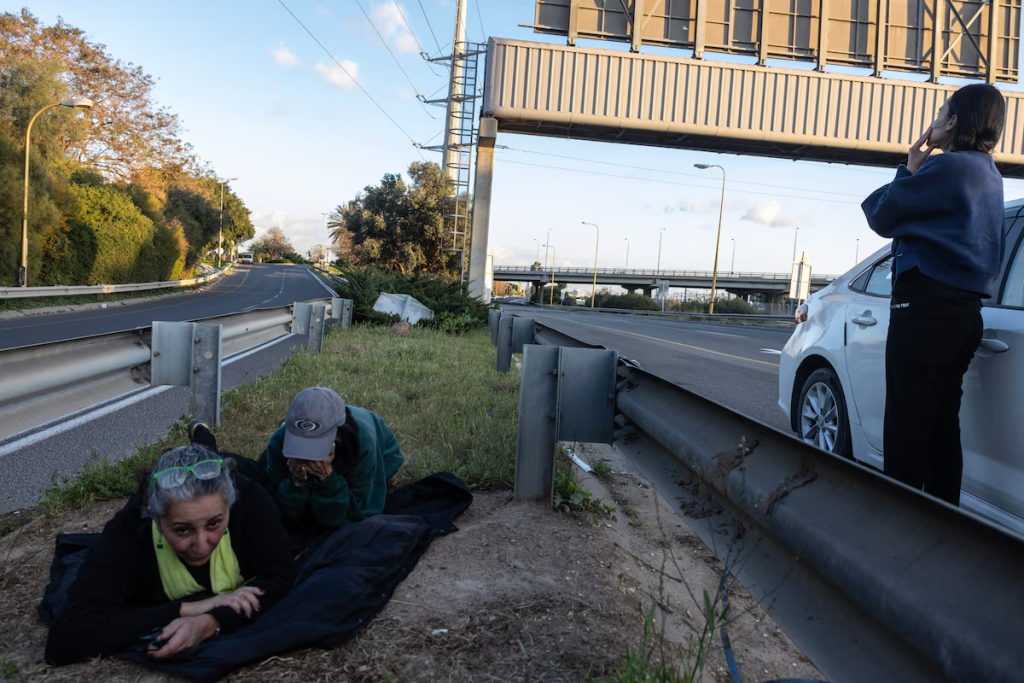
Regional analysts say the speed of escalation has outpaced diplomatic efforts and left governments scrambling to prevent a broader war.
“This started as a targeted campaign against leadership and military infrastructure,” said Shira Efron, a Tel Aviv-based security analyst. “It is now expanding in ways few anticipated.”
Strikes Spark Immediate Retaliation
The confrontation began early Saturday when Israeli aircraft struck what officials described as Iranian command facilities and missile infrastructure. Reports indicated that the operation included high-level strategic targets, including Iran’s Supreme Leader, Ali Khamenei.
Tehran responded swiftly.
Within hours, Iranian missiles were launched toward Israeli cities. Armed drones were reported over Gulf airspace. By Monday, explosions had been recorded in multiple capitals, stretching from the Eastern Mediterranean to the Arabian Peninsula.
Israel expanded its own campaign, targeting Hezbollah positions in southern Lebanon. The group, long backed by Tehran, has been a central component of Iran’s regional security network.
Civilians Caught in the Crossfire
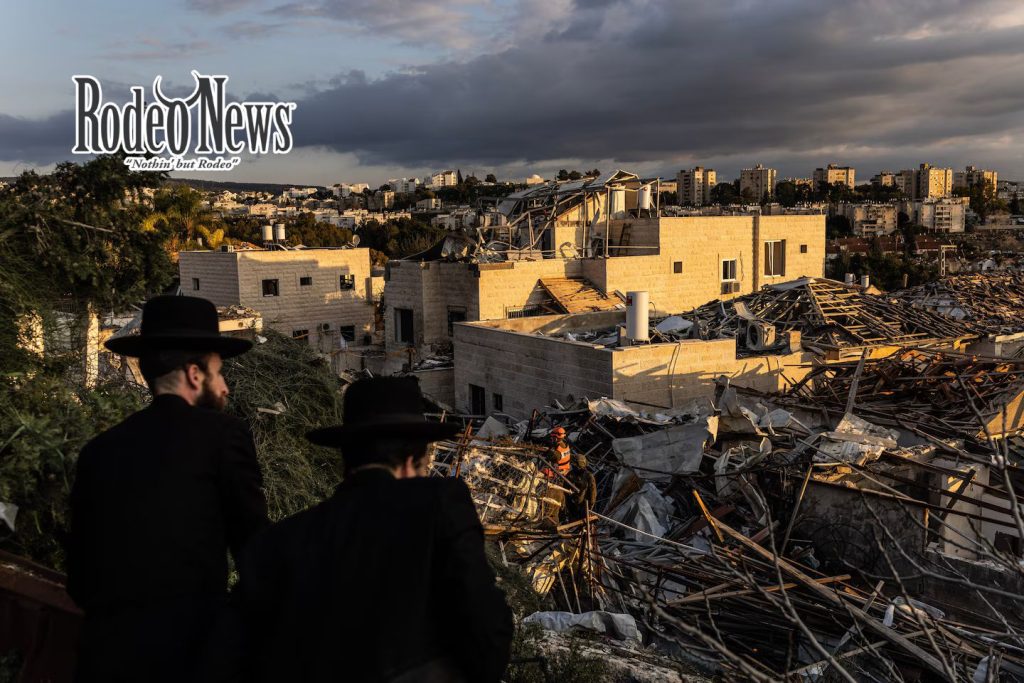
In Beit Shemesh, west of Jerusalem, residents described scenes of devastation after a missile strike flattened a residential building above a synagogue shelter. Nine people were killed in the blast, according to local authorities.
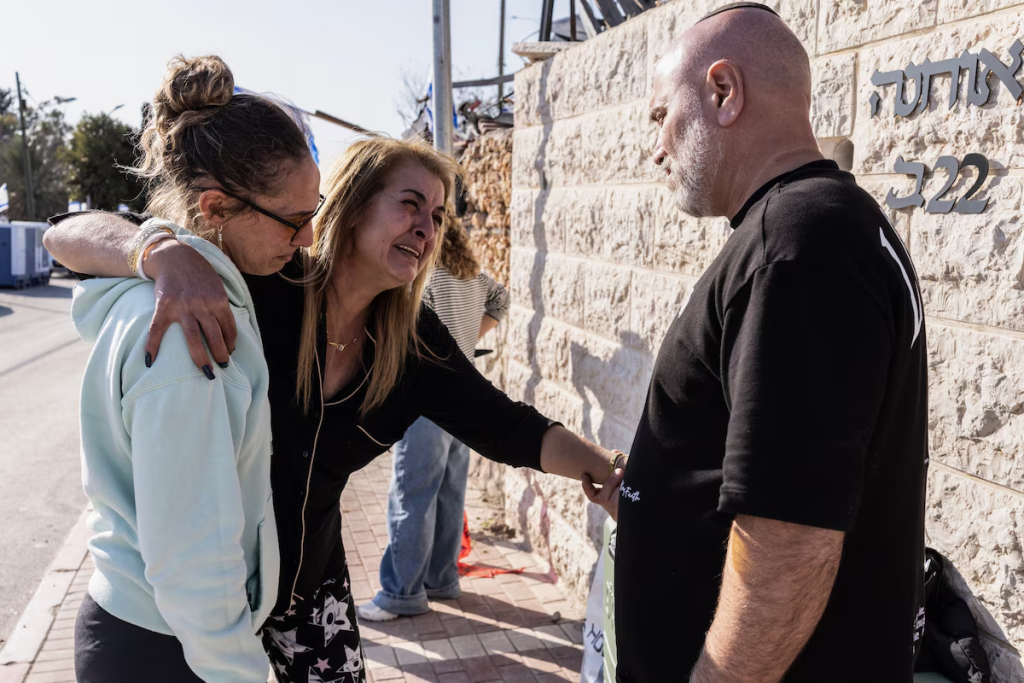
Mazalika Amrani, 61, said she regained consciousness inside the shelter surrounded by debris and lifeless neighbors.
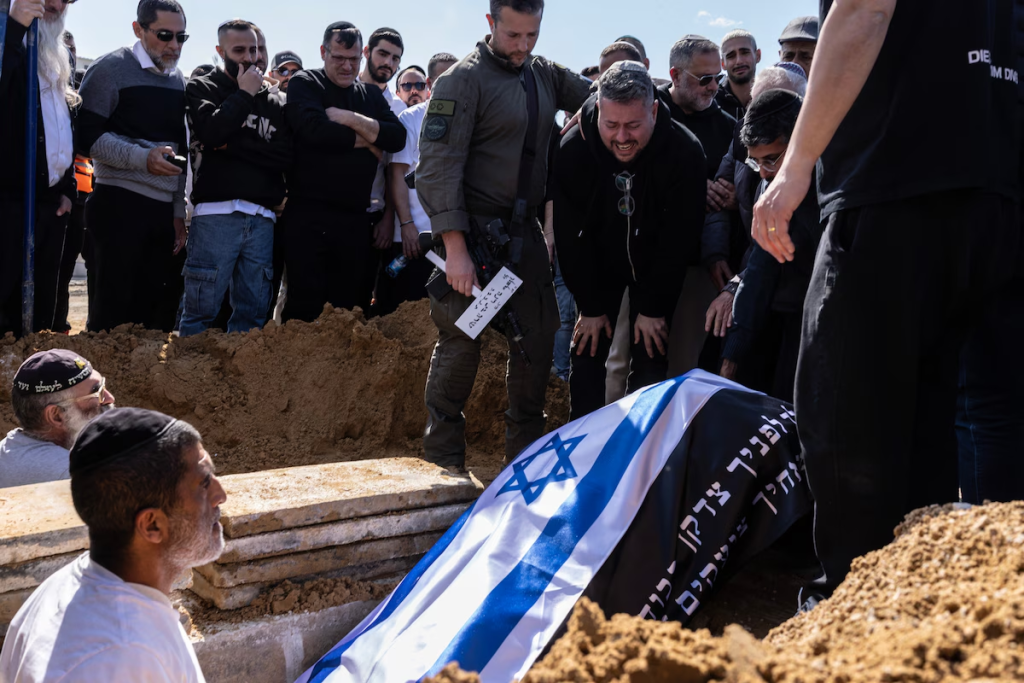
“Everybody next to me died,” she said quietly, standing near the wreckage of what had been her neighborhood.
Similar scenes were reported elsewhere in the region.
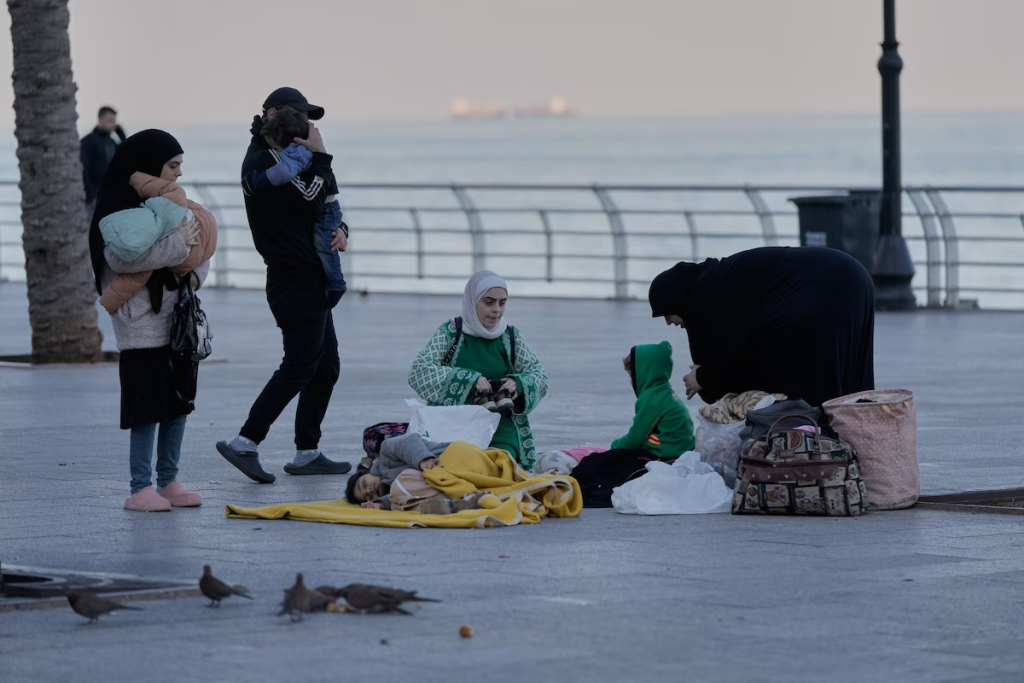
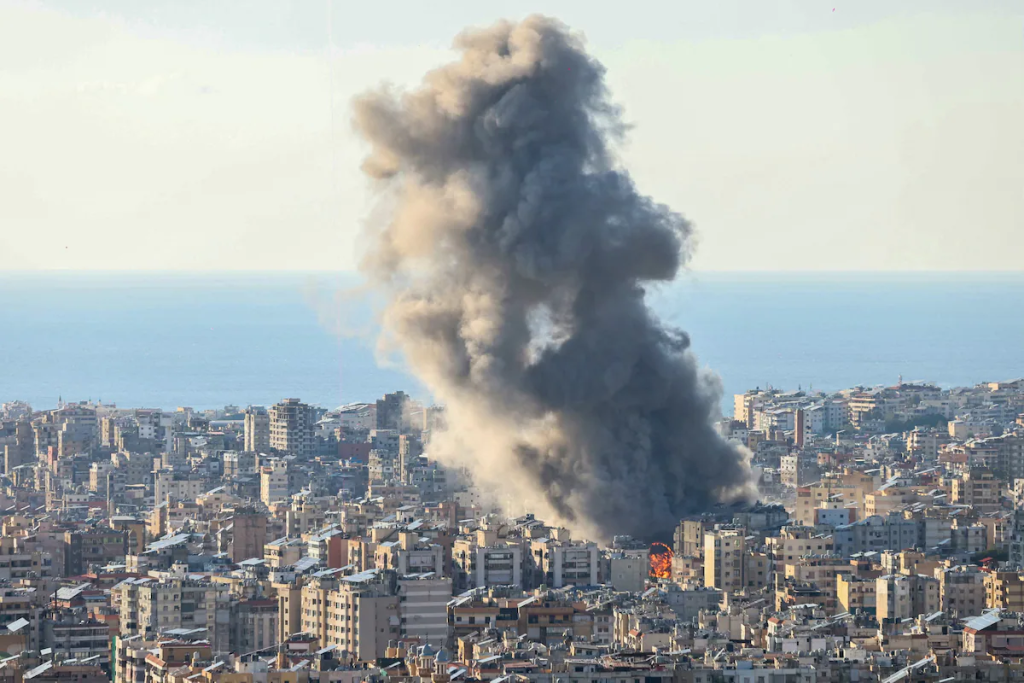
In Lebanon, Israeli airstrikes on Hezbollah strongholds near Beirut forced churches and community centers to open as temporary shelters. Local health officials reported dozens of casualties.
In the United Arab Emirates, explosions damaged residential towers and hotels in Abu Dhabi and Dubai. A high-rise building in Bahrain caught fire following reported drone activity. A port in Oman — a country often seen as a mediator between Washington and Tehran — was also struck.
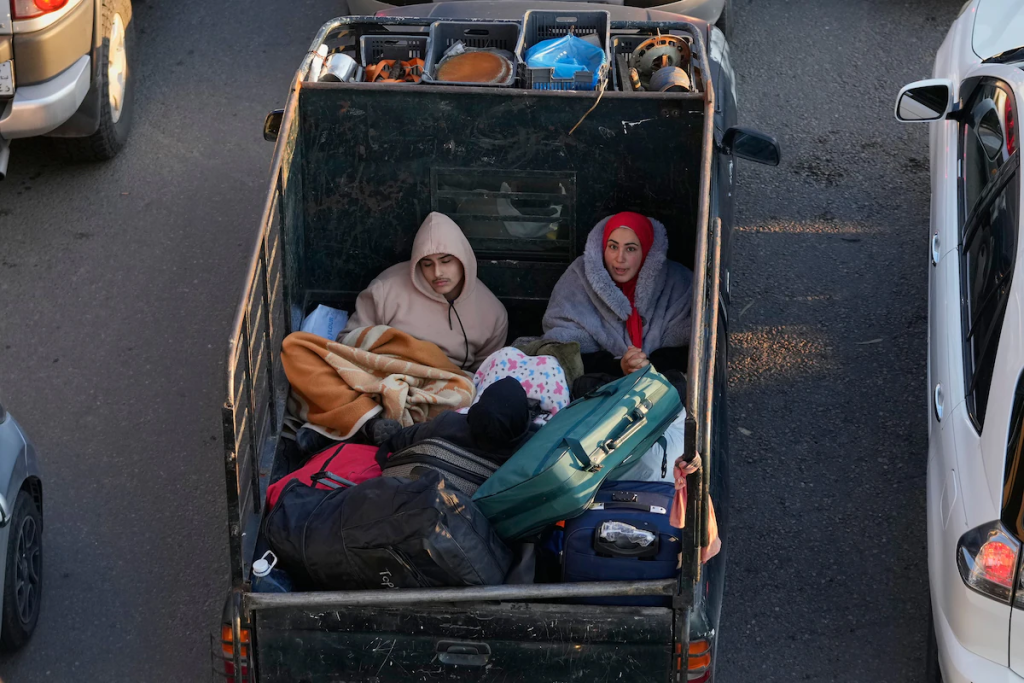
By widening the geographic scope of retaliation, Iran signaled that no country hosting U.S. military assets would remain insulated from the conflict.
Gulf States Face Strategic Dilemma
For Gulf monarchies, the escalation presents a delicate balancing act.
Several states had previously sought to ease tensions with Tehran while maintaining security ties with Washington. Now, with their own infrastructure under threat, that strategy is under severe strain.
“This is precisely what Gulf states feared,” Efron said. “They worked hard to avoid being drawn into a direct confrontation.”
The crisis may push some governments closer to the United States under President Donald Trump, particularly if American forces request broader operational access.
At the same time, regional leaders are wary of becoming permanent staging grounds in an open-ended conflict.
Energy Markets and Global Risks
Beyond the immediate violence, global markets are watching developments closely.
The Gulf region hosts key energy infrastructure and vital shipping lanes. Any sustained disruption could impact global oil supplies, especially if instability threatens the Strait of Hormuz — the narrow maritime corridor through which roughly one-fifth of the world’s oil flows.
Energy analysts warn that even limited interference in shipping traffic could trigger price volatility and broader economic consequences.
So far, maritime operations continue, though shipping insurers are reassessing risk levels across the region.
Uncertain Path Forward
Diplomatic efforts are underway behind closed doors, but public signals suggest neither side is prepared to step back immediately.
Casualty figures remain difficult to verify independently, with reports of deaths in Iran, Israel, Lebanon and several Gulf states. The Pentagon has confirmed U.S. military casualties, further complicating Washington’s position.
As air raid sirens continue to sound and civilians brace for additional strikes, uncertainty dominates the regional outlook.
“No one has a clear sense of where this ends,” Efron said.
For millions across the Middle East, the first 72 hours have already altered daily life — and the balance of power. Whether the confrontation stabilizes or escalates further may depend on decisions made in the coming days.