West Nile Virus Confirmed in Tuolumne County
Health officials have confirmed the first human West Nile virus Tuolumne County case of 2026, prompting a renewed warning for residents as California enters one of the busiest periods of mosquito activity.
The Tuolumne County Public Health Department said the individual is an adult who was hospitalized. Officials did not release additional information about the patient because of medical privacy concerns.
The case comes as California is experiencing unusually high West Nile virus activity. The California Department of Public Health said the state was seeing its highest level of West Nile virus activity in five years, with 30 human cases and three deaths reported across 13 counties as of Aug. 14.
With August and September considered peak periods for West Nile virus transmission, health officials are urging residents to take mosquito prevention seriously.
First West Nile Virus Tuolumne County Case of 2026
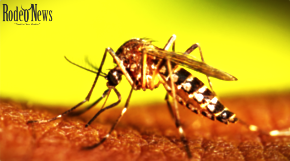
The newly confirmed case marks the first reported human infection in Tuolumne County this year.
According to myMotherLode.com, the patient is an adult who required hospitalization. The county has not provided information about the person’s age, location, condition or possible exposure because of privacy protections.
Tuolumne County Health Officer Dr. Kimberly Freeman said the case serves as a reminder of the risks associated with bites from mosquitoes carrying West Nile virus.
The virus is primarily transmitted when an infected mosquito bites a person. Mosquitoes become infected after feeding on birds carrying the virus, and infected mosquitoes can subsequently transmit it to people and other animals.
Importantly, West Nile virus is not generally spread between people through ordinary contact. The CDC says it does not spread through coughing, sneezing or touching, although rare transmission through blood transfusion, organ transplantation and certain pregnancy-related routes has been documented.
Why the Timing Matters
The confirmation arrives at an important point in the mosquito season.
The CDC says West Nile virus activity generally begins during the summer and continues into fall, typically from June through October. Reported infections often peak from late August into early September.
That timing means residents should not assume the risk has passed simply because summer is nearing its end.
Instead, mosquito exposure can remain a concern through the coming weeks. People who spend time outdoors, particularly around dawn and dusk, should take precautions to reduce the chance of being bitten.
California health officials have also warned that statewide West Nile virus activity is at its highest level in five years.
The combination of increased virus activity and the seasonal peak makes mosquito protection especially important in communities such as Tuolumne County.
What Are the Symptoms of West Nile Virus?
One reason West Nile virus can be difficult to identify is that most infected people do not develop symptoms.
The CDC estimates that about 80% of people infected with West Nile virus have no symptoms. About 20% develop a mild illness that can resemble the flu.
Possible symptoms include:
- Fever
- Headache
- Body aches
- Joint pain
- Vomiting
- Diarrhea
- Skin rash
- Fatigue and weakness
Symptoms commonly begin between two and six days after an infected mosquito bite, although the incubation period can range from two to 14 days.
Most people who develop mild illness recover completely. However, fatigue and weakness can sometimes continue for weeks or months.
That means a mosquito bite does not automatically lead to serious disease. At the same time, residents should understand the warning signs of severe infection.
Severe West Nile Illness Can Require Hospitalization
Fewer than 1% of people infected with West Nile virus develop severe neurological disease, according to the CDC. Severe infections can affect the brain and spinal cord and may lead to conditions such as encephalitis, meningitis or acute flaccid myelitis.
Warning signs can include:
- High fever
- Severe headache
- Neck stiffness
- Confusion or disorientation
- Muscle weakness
- Tremors
- Seizures
- Loss of coordination
- Paralysis
The risk of severe disease increases with age and is also higher among people with certain underlying medical conditions or weakened immune systems.
Anyone experiencing serious or unusual neurological symptoms after possible mosquito exposure should seek immediate medical attention.
The Tuolumne County case is a reminder that hospitalization, while uncommon, can occur.
How California’s West Nile Virus Situation Has Changed
The Tuolumne County case is part of a broader increase in West Nile virus activity across California.
The California Department of Public Health reported on Aug. 20 that West Nile virus activity had reached its highest level in five years. The department had recorded 30 human cases and three fatalities across 13 counties as of Aug. 14.
Those figures make the latest local case more significant than an isolated mosquito-related health warning.
California regularly monitors West Nile virus through human cases, mosquito surveillance and other indicators. The CDC also tracks national West Nile activity using reports from state and local health departments.
Because virus activity can vary considerably from one year to another, residents should pay attention to current local and state health warnings rather than relying only on previous experience.
How to Protect Yourself From West Nile Virus
There is currently no licensed vaccine available to prevent West Nile virus disease in people.
As a result, avoiding mosquito bites remains the most effective way to reduce the risk of infection.
Health officials recommend several straightforward steps.
Use Mosquito Repellent
Apply an insect repellent registered with the U.S. Environmental Protection Agency when spending time outdoors.
EPA-registered repellents can provide protection against mosquito bites when used according to the product instructions.
Residents should pay particular attention when spending time outdoors during periods when mosquitoes are most active.
Wear Protective Clothing
Long-sleeved shirts and long pants can reduce the amount of exposed skin available for mosquitoes to bite.
Loose-fitting clothing can provide additional protection, especially when people are outdoors for extended periods.
Be Careful Around Dawn and Dusk
The CDC recommends avoiding outdoor exposure between dusk and dawn when mosquitoes that spread West Nile virus are most active.
People who cannot avoid being outdoors during those periods should use repellent and cover exposed skin.
Remove Standing Water
Mosquitoes can reproduce in standing water.
Residents should regularly inspect their homes and yards for containers or areas that can collect water. Flowerpots, buckets, outdoor toys, clogged drains and other objects can become potential mosquito breeding sites.
Removing standing water can therefore he